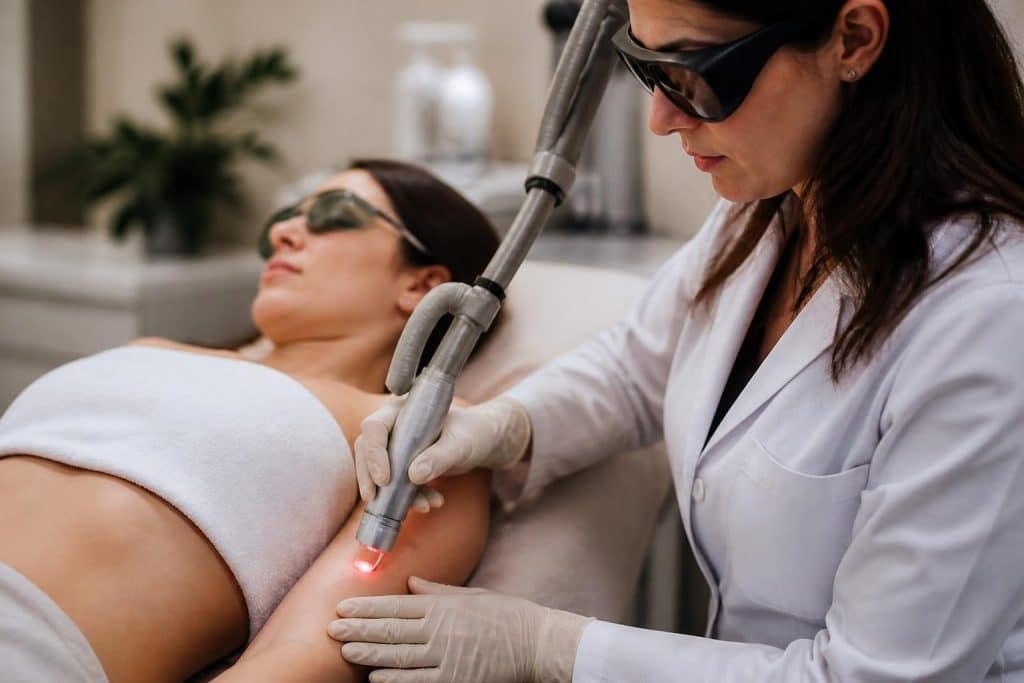
Stretch marks affect up to 90% of pregnant women and are common among adolescents, bodybuilders, and anyone experiencing rapid weight changes. These linear scars, medically known as striae distensae, result from rapid stretching of the dermis that damages collagen and elastin fibers. While countless topical creams and oils promise prevention or improvement, research shows topical preparations have limited effectiveness. This reality has driven significant advances in energy-based treatments, with laser surgery for stretch marks emerging as one of the most promising solutions for reducing the appearance of these persistent marks.
Understanding Stretch Marks and Why Laser Treatment Works
Stretch marks evolve through distinct stages that influence treatment selection. Early-stage striae rubrae appear red or purple due to inflammation and active blood vessel formation. Over time, they mature into striae albae-white or silver scars lacking pigmentation and normal skin architecture.
The structural damage in stretch marks includes:
- Collagen disorganization in the dermal layer
- Elastic fiber disruption reducing skin elasticity
- Epidermal atrophy causing thinning of the outer skin layer
- Altered pigmentation particularly visible in striae albae
Laser surgery for stretch marks addresses these fundamental tissue changes by delivering controlled energy to stimulate the body's natural healing response. Different laser wavelengths target specific chromophores-hemoglobin in blood vessels, melanin in pigmented areas, or water in dermal tissue. This precision allows practitioners to customize treatment based on stretch mark characteristics, skin type, and treatment goals.
The Science Behind Laser Remodeling
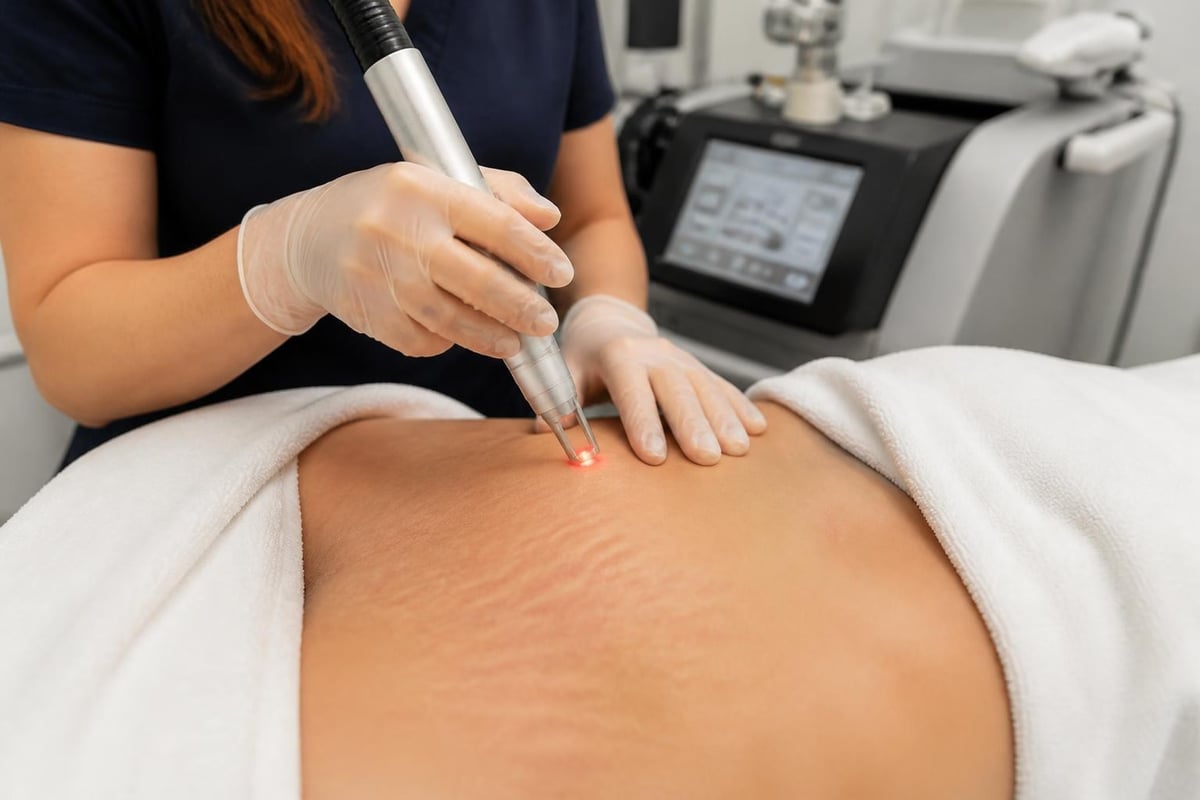
When laser energy penetrates stretch mark tissue, it creates controlled micro-injuries that trigger a cascade of biological processes. Fibroblasts activate and begin producing new collagen and elastin. Neovascularization improves blood supply to the treated area. The epidermis gradually thickens, and in many cases, pigmentation normalizes.
Clinical evidence demonstrates varying effectiveness across laser modalities, with fractional lasers generally showing superior outcomes for texture improvement while vascular lasers excel at reducing redness in newer marks.
Types of Laser Surgery for Stretch Marks
Modern laser technology offers multiple approaches, each with distinct mechanisms and indications. Understanding these differences helps set realistic expectations and guide treatment selection.
Fractional CO2 Lasers
Fractional carbon dioxide lasers create microscopic columns of thermal damage in the skin while leaving surrounding tissue intact. This fractional approach promotes rapid healing while stimulating significant collagen remodeling.
| Advantage | Consideration |
|---|---|
| Substantial improvement in texture and depth | Requires 3-7 days downtime per session |
| Effective for mature white stretch marks | Higher risk of pigmentation changes in darker skin |
| Promotes robust collagen production | Multiple sessions typically needed |
Research comparing fractional CO2 with combination therapies shows measurable improvements in stretch mark width, texture, and patient satisfaction scores. Histological analysis reveals increased collagen density and improved dermal organization following treatment series.
Pulsed Dye Lasers (PDL)
Pulsed dye lasers emit yellow light that hemoglobin in blood vessels selectively absorbs. This makes PDL particularly effective for red or purple stretch marks where active vascularization contributes to appearance.
Treatment benefits include minimal downtime, reduced purpura with newer systems, and excellent safety across skin types. PDL works best when initiated during the striae rubrae phase, often achieving significant color reduction within 3-5 sessions.
Excimer Lasers
The 308nm excimer laser stimulates melanocyte activity and repigmentation in hypopigmented stretch marks. This approach addresses one of the most challenging aspects of mature stretch marks-the stark white appearance against surrounding skin.
Excimer laser surgery for stretch marks requires patience, with gradual pigment return over multiple weekly sessions. Results vary based on individual melanocyte function and skin phototype.
Fractional Non-Ablative Lasers
Non-ablative fractional lasers, including 1550nm erbium-doped fiber lasers and 1540nm erbium:glass systems, heat dermal tissue without removing the epidermis. This approach offers:
- Minimal visible downtime
- Lower complication risk
- Gradual improvement over treatment series
- Suitability for all skin types
While gentler than ablative options, non-ablative fractional lasers typically require more sessions to achieve comparable results. Systematic reviews of treatment outcomes suggest combining non-ablative lasers with other modalities often enhances effectiveness.
The Treatment Process and What to Expect
Laser surgery for stretch marks follows a structured protocol designed to maximize safety and results. Initial consultation establishes candidacy, identifies contraindications, and creates a customized treatment plan.
Pre-Treatment Preparation
Successful outcomes begin with proper preparation:
- Skin assessment to determine stretch mark maturity, color, and texture
- Medical history review identifying medications or conditions affecting healing
- Realistic goal-setting based on stretch mark characteristics and evidence-based outcomes
- Pre-treatment skin conditioning which may include prescribed topicals
- Sun avoidance for 4-6 weeks before treatment to minimize pigmentation risks
Patients should discontinue retinoids, exfoliating acids, and photosensitizing medications according to provider guidance. For some laser types, pre-treatment with topical anesthetics ensures comfort during the procedure.
During Treatment
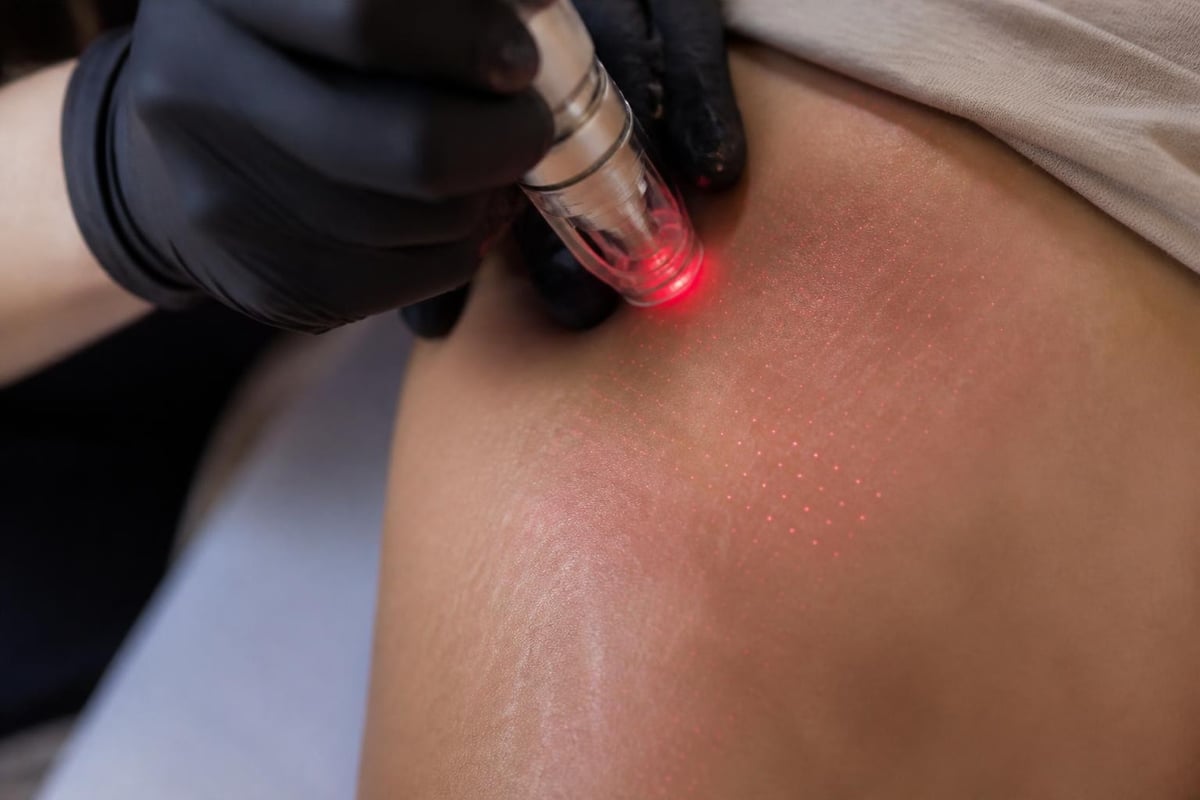
Treatment sessions typically last 30-60 minutes depending on the area size. The laser handpiece passes systematically over stretch marks, delivering precise energy pulses. Sensations vary by laser type-fractional CO2 creates heat and slight discomfort despite numbing, while pulsed dye laser produces a snapping sensation.
Cooling systems integrated into modern laser platforms minimize discomfort and protect the epidermis. Providers adjust parameters including fluence (energy per pulse), density (coverage percentage), and pulse duration based on real-time skin response.
Post-Treatment Recovery
Recovery experiences differ substantially across laser modalities:
Ablative Fractional Lasers (CO2, Erbium:YAG)
- Days 1-3: Swelling, redness, possible oozing from treatment sites
- Days 4-7: Peeling and flaking as new skin forms
- Weeks 2-4: Pink tone gradually fades
- Full healing: 4-6 weeks before next session
Non-Ablative and Vascular Lasers
- Hours 1-24: Redness and mild swelling
- Days 2-5: Gradual resolution, possible bruising with PDL
- Return to normal activities: Immediate to 1-2 days
- Next session: 4-6 weeks
Expected Results and Treatment Timelines
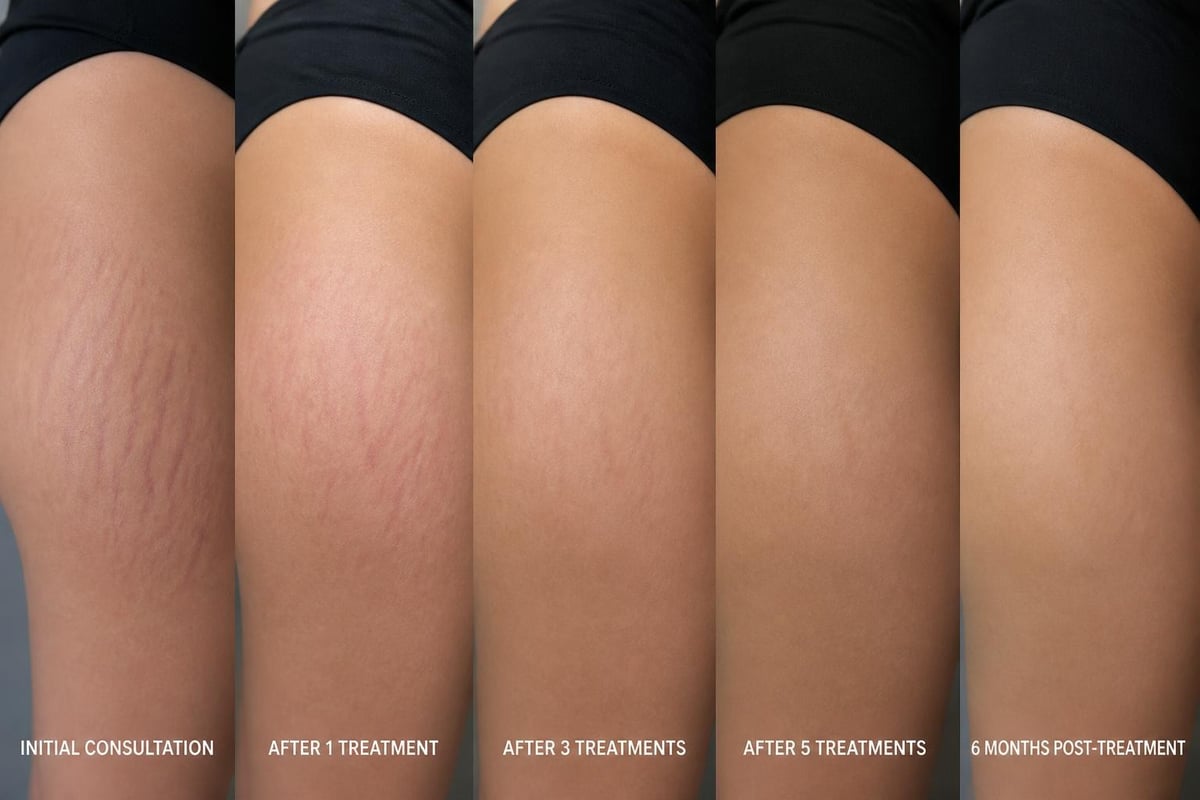
Managing expectations remains critical, as laser surgery for stretch marks improves rather than eliminates these scars. According to the American Academy of Dermatology, realistic goals focus on reducing visibility rather than achieving complete removal.
Typical Improvement Benchmarks
| Outcome Measure | Expected Improvement | Timeline |
|---|---|---|
| Stretch mark width | 20-50% reduction | 3-6 months post-treatment series |
| Texture and depth | Moderate to significant smoothing | 6-12 months as collagen remodels |
| Color (red marks) | 50-75% reduction with vascular lasers | 2-4 months |
| Color (white marks) | Variable repigmentation, 30-60% improvement | 6-12 months |
Patients typically require 3-6 treatment sessions spaced 4-8 weeks apart. Comprehensive reviews of therapeutic approaches emphasize that combination protocols-using multiple laser types or pairing lasers with microneedling or radiofrequency-often produce superior outcomes compared to single-modality treatment.
Factors Influencing Results
Individual response varies based on several factors:
- Stretch mark age: Newer marks generally respond better
- Skin type: Darker skin types require modified parameters to prevent pigmentation changes
- Treatment adherence: Completing the full recommended series
- Lifestyle factors: Nutrition, hydration, smoking status
- Genetic healing capacity: Individual collagen production varies
Photography documentation at each session helps track subtle progressive improvements that might otherwise go unnoticed.
Safety Considerations and Potential Side Effects
When performed by qualified practitioners using appropriate protocols, laser surgery for stretch marks maintains an excellent safety profile. However, understanding potential side effects enables informed decision-making.
Common Temporary Effects
Most patients experience mild, self-limiting effects including temporary redness lasting hours to days, swelling resolving within 3-5 days, and sensitivity in treated areas. Ablative treatments produce predictable peeling and crusting as part of normal healing.
Rare but Possible Complications
More significant adverse events remain uncommon but include:
- Post-inflammatory hyperpigmentation (PIH) particularly in darker skin types
- Hypopigmentation with excessive or repeated treatments
- Prolonged erythema lasting several weeks
- Infection if post-care instructions aren't followed
- Scarring extremely rare with proper technique
Risk mitigation involves selecting appropriate laser types and settings for individual skin types, conducting test spots when indicated, and strict adherence to post-treatment protocols. UK regulatory guidance on cosmetic advertising emphasizes the importance of evidence-based claims and transparent communication about realistic outcomes and potential risks.
Cost Considerations and Investment Value
Laser surgery for stretch marks represents a significant financial investment. In Toronto, pricing typically ranges from $400-$800 per session for small areas and $800-$1,500 for larger regions like the abdomen or thighs. Complete treatment series generally cost $2,500-$6,000 depending on the area size, laser technology, and number of sessions required.
Factors Affecting Treatment Cost
Several variables influence total investment:
- Technology type: Advanced fractional CO2 systems cost more than basic PDL
- Treatment area size: Larger areas require more time and consumables
- Provider expertise: Experienced practitioners often charge premium rates
- Geographic location: Downtown Toronto clinics may have higher overhead
- Package pricing: Multiple-session packages often reduce per-treatment cost
Most clinics don't accept insurance for cosmetic stretch mark treatment, though exceptions exist when stretch marks result from documented medical conditions. Financing options make treatments more accessible for many patients.
Comparing Value Across Options
When evaluating cost, consider effectiveness per dollar. While topical treatments cost less initially, their limited efficacy makes them poor long-term value. Laser treatments require upfront investment but deliver measurable, lasting improvements that topicals cannot match.
Optimizing Results Through Combined Approaches
Leading practitioners increasingly recommend combination protocols that leverage synergistic mechanisms. Pairing laser surgery for stretch marks with complementary modalities often accelerates improvement and enhances final outcomes.
Effective Combination Strategies
Laser Plus Microneedling
Microneedling creates controlled microchannels that enhance product penetration while triggering additional collagen production. Alternating fractional laser sessions with microneedling treatments provides continuous stimulation without excessive downtime.
Sequential Laser Types
Using vascular lasers to address redness in newer marks, followed by fractional ablative treatments for texture and depth, then excimer laser for repigmentation creates a comprehensive approach addressing all stretch mark components.
Laser With Platelet-Rich Plasma (PRP)
Applying PRP immediately after fractional laser treatment delivers growth factors directly to treated tissue, potentially enhancing collagen production and tissue remodeling. While research continues, early clinical experience shows promise.
Supportive At-Home Care
Maximizing treatment benefits requires diligent home care:
- Broad-spectrum SPF 30+ sunscreen daily on treated areas
- Gentle hydration with ceramide-based moisturizers
- Adequate protein intake supporting collagen synthesis
- Hydration maintaining skin elasticity and healing capacity
- Avoidance of trauma to treated areas during healing
Selecting the Right Provider and Facility
Provider selection significantly impacts both safety and results. Laser surgery for stretch marks should only be performed by qualified professionals with appropriate training and experience.
Essential Provider Qualifications
Look for practitioners who demonstrate expertise in laser physics and skin biology, extensive experience treating diverse skin types, comprehensive consultation processes including photography and realistic goal-setting, and modern, well-maintained laser systems.
Advanced aesthetic treatments at New Skin Laser Clinic combine state-of-the-art technology with personalized treatment planning. The Toronto-based clinic's expert estheticians undergo continuous education in emerging laser techniques and safety protocols.
Questions to Ask During Consultation
Informed patients achieve better outcomes. Important questions include:
- What specific laser technology do you recommend for my stretch marks and why?
- How many sessions do you anticipate I'll need?
- What results can I realistically expect based on my stretch mark characteristics?
- What is your experience treating patients with my skin type?
- What are the potential risks specific to my situation?
- What does your post-treatment support include?
Red flags include guarantees of complete removal, pressure to commit immediately, unwillingness to show before-after photos, or lack of clear complication management protocols.
Alternative and Complementary Treatments
While laser surgery for stretch marks offers the most robust evidence base, other modalities deserve consideration, particularly as combination partners.
Radiofrequency Treatments
Radiofrequency energy heats deep dermal layers, stimulating collagen without chromophore-selective targeting. This technology works across all skin types without pigmentation risk. Combining RF with fractional lasers may enhance texture improvement.
Chemical Peels
Medium-depth peels using trichloroacetic acid can improve superficial stretch marks, particularly on lighter skin. Results remain modest compared to laser treatments, but peels offer lower cost entry points.
Topical Retinoids
Prescription-strength tretinoin applied consistently over months may produce subtle improvements in early stretch marks. Retinoids work best as maintenance therapy following laser treatments rather than primary intervention.
Surgical Excision
For severe abdominal stretch marks, particularly after pregnancy, surgical procedures like abdominoplasty (tummy tuck) physically remove affected skin. This invasive option suits specific candidates but involves significant recovery and surgical risks.
Long-Term Maintenance and Prevention
Following successful laser treatment series, maintaining results requires ongoing attention. While treated stretch marks won't revert, new marks may develop with subsequent weight changes or pregnancies.
Maintaining Improvements
Patients preserve treatment benefits through annual maintenance laser sessions if needed, continued sun protection preventing collagen breakdown, stable weight management, and adequate hydration supporting skin elasticity.
Preventing New Stretch Marks
During high-risk periods like pregnancy or rapid muscle gain, preventive measures include gradual, controlled weight changes, regular moisturization maintaining skin barrier function, and adequate nutrition supporting collagen and elastin production. While prevention remains imperfect, these strategies reduce severity when stretch marks do form.
Laser surgery for stretch marks offers evidence-based improvement for these common yet challenging scars, with multiple technologies addressing different aspects of stretch mark appearance. Success requires realistic expectations, appropriate provider selection, and commitment to complete treatment protocols. The expert team at New Skin Laser Clinic provides personalized consultations using advanced laser technology to help Toronto clients achieve smoother, more even-toned skin through customized treatment plans designed for individual needs and goals.