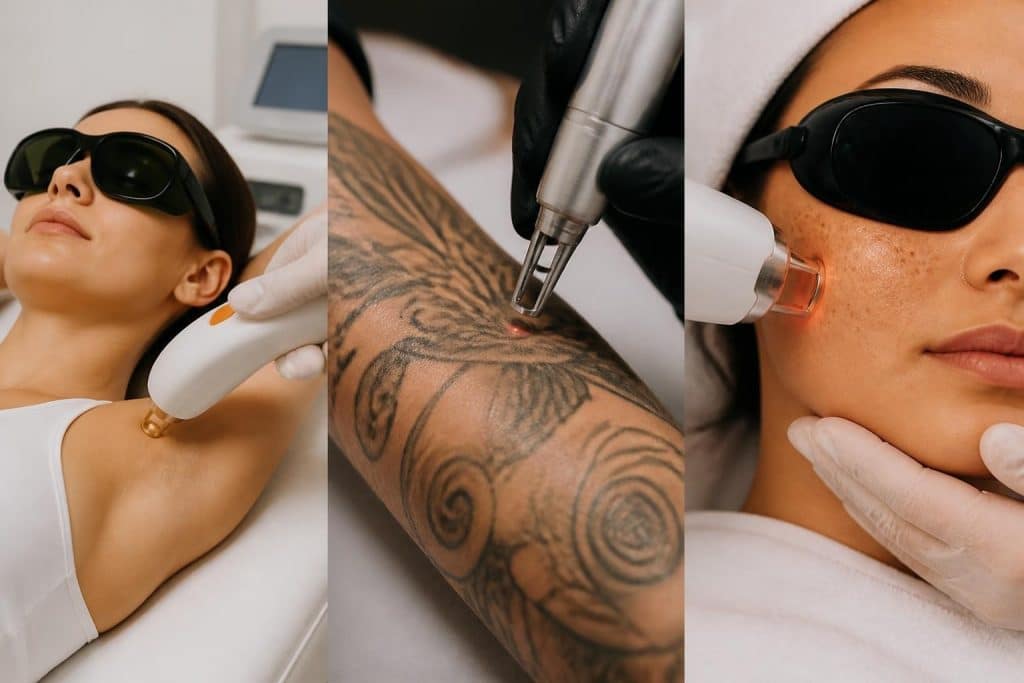
Modern aesthetic medicine has revolutionized how we approach unwanted features on our skin, from persistent hair growth to faded tattoos and stubborn pigmentation. Using a laser to remove these concerns has become the gold standard, offering precision, safety, and long-lasting results that traditional methods simply cannot match. Whether you're considering professional treatment for the first time or exploring your options, understanding the science, applications, and expectations behind laser removal technology empowers you to make informed decisions about your aesthetic goals.
Understanding How Laser Technology Works for Removal
Laser removal operates on the principle of selective photothermolysis, a process where concentrated light energy targets specific chromophores in the skin without damaging surrounding tissue. The laser to remove unwanted features delivers precise wavelengths that are absorbed by melanin, hemoglobin, or tattoo ink particles, depending on the treatment goal.
When the target absorbs this energy, it converts to heat, effectively destroying the unwanted element. For hair removal, this heat disables the follicle's ability to produce new hair. For tattoo removal, it fragments ink particles small enough for the body's immune system to eliminate naturally.
Different Wavelengths for Different Applications
Professional clinics use various laser wavelengths to address specific concerns:
- 755 nm (Alexandrite): Ideal for lighter skin tones and fine hair removal
- 810 nm (Diode): Versatile option suitable for most skin types and hair colors
- 1064 nm (Nd:YAG): Safest for darker skin tones with deeper penetration
- 694 nm (Ruby): Effective for tattoo removal and pigmented lesions
- 532 nm (KTP): Targets red ink and superficial vascular lesions
The wavelength determines which chromophore absorbs the energy most efficiently, making professional assessment critical for optimal outcomes.
Primary Applications of Laser Removal Treatments
Permanent Hair Reduction
Laser hair removal remains one of the most requested aesthetic procedures globally. Clinical research demonstrates significant long-term hair reduction across multiple device types when protocols are followed correctly.
The process requires multiple sessions because hair grows in cycles. Only follicles in the active growth phase (anagen) respond to treatment. Most clients need six to eight sessions spaced four to eight weeks apart for optimal reduction.
| Treatment Area | Typical Sessions | Maintenance Frequency |
|---|---|---|
| Face (upper lip, chin) | 6-8 sessions | Annual touch-up |
| Underarms | 6-8 sessions | Every 12-18 months |
| Bikini/Brazilian | 8-10 sessions | Every 12-18 months |
| Legs (full) | 8-10 sessions | Every 18-24 months |
| Back or chest | 8-12 sessions | Every 18-24 months |
The mechanisms and safety profile of laser hair removal have been extensively documented, confirming its position as a safe, effective alternative to temporary methods like shaving or waxing.
Tattoo Removal
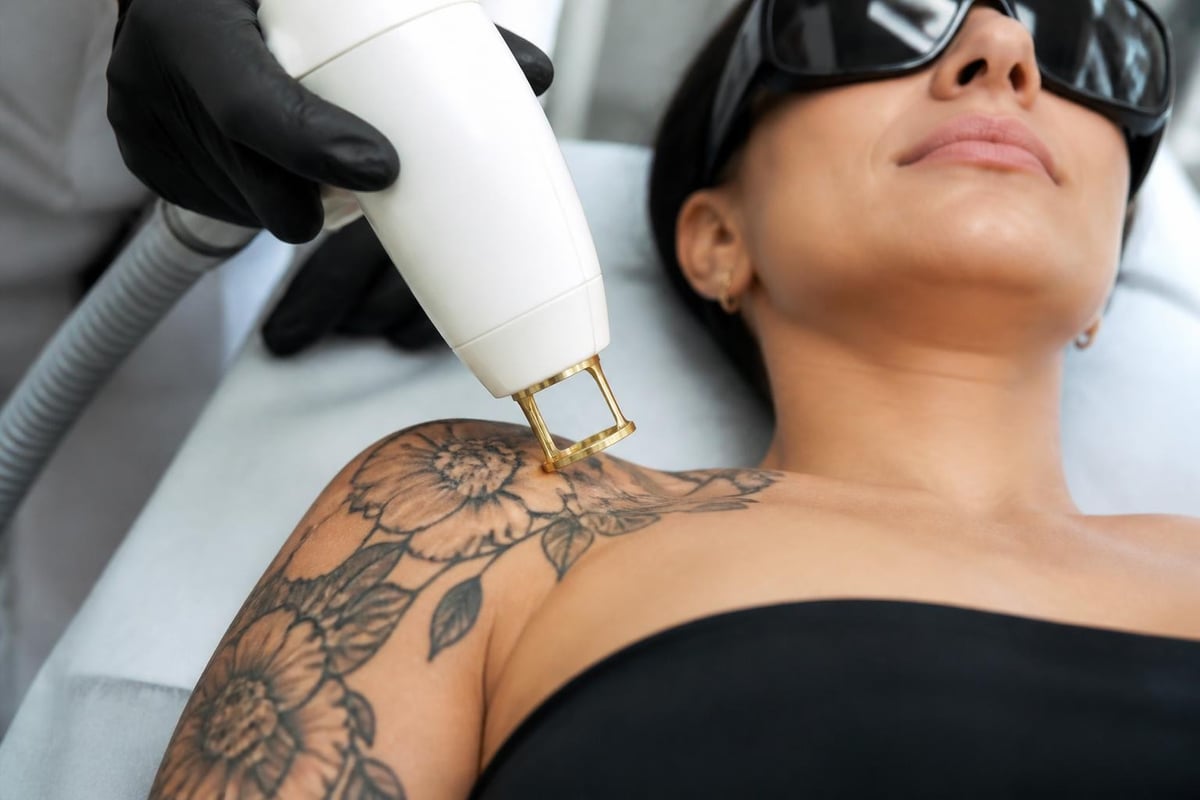
Using a laser to remove tattoos has become increasingly sophisticated. Modern Q-switched and picosecond lasers deliver ultra-short pulses that shatter ink particles without excessive heat damage to surrounding skin.
Professional tattoos typically require eight to twelve sessions, while amateur tattoos may clear faster. Several factors influence removal success:
- Ink colors: Black and dark blue respond best; green, yellow, and fluorescent colors prove more challenging
- Ink depth: Professional tattoos placed deeper in the dermis require more treatments
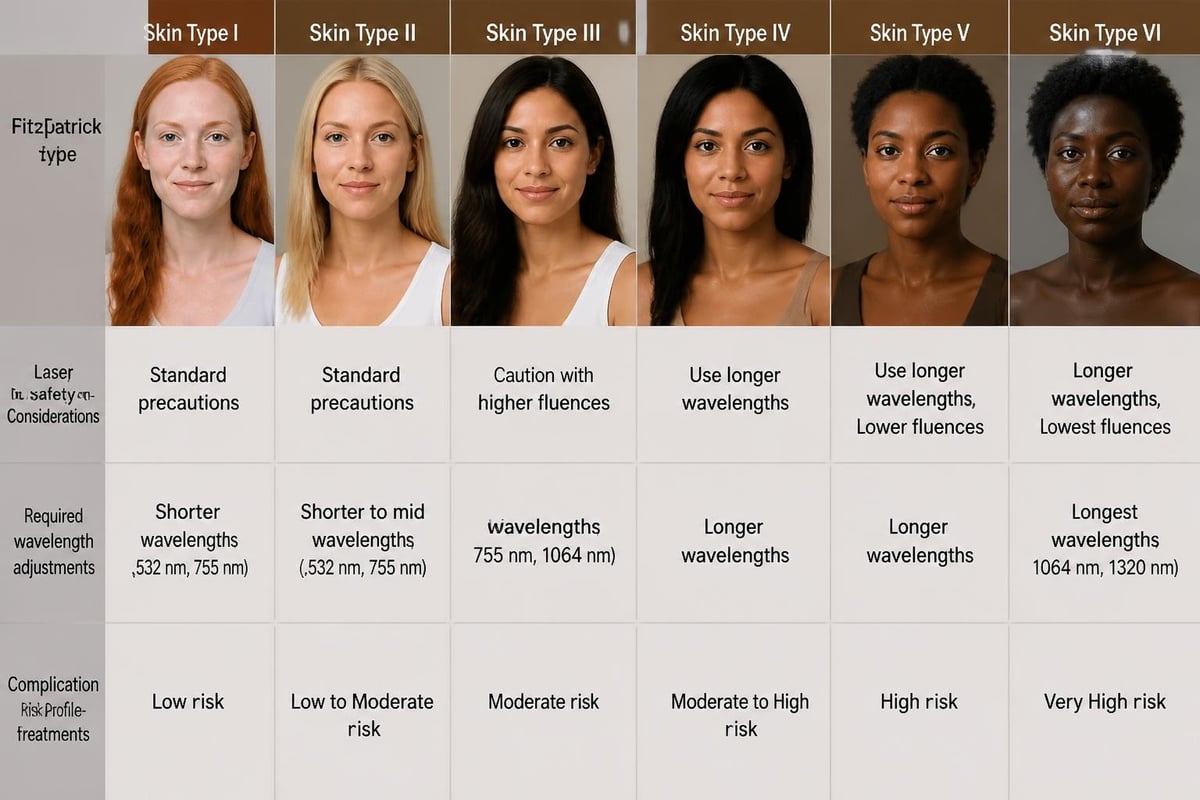
- Skin tone: Darker skin types require conservative settings to prevent pigmentation changes
- Tattoo age: Older, faded tattoos often respond better than fresh ink
The American Academy of Dermatology emphasizes that multiple sessions spaced at least six to eight weeks apart allow the body's lymphatic system to clear fragmented ink particles effectively.
Pigmentation and Lesion Removal
Laser technology excels at treating benign pigmented lesions including age spots, sun damage, freckles, and melasma. The laser to remove pigmentation works by breaking apart melanin clusters, which the body then eliminates naturally.
Different pigmentation concerns require tailored approaches:
- Superficial pigmentation (lentigines, freckles): Often respond within one to three treatments
- Deeper melasma: May require combination therapy and strict sun protection
- Post-inflammatory hyperpigmentation: Needs conservative settings to avoid worsening
- Vascular lesions: Respond to specific wavelengths targeting hemoglobin
Preparing for Your Laser Removal Treatment
Initial Consultation Requirements
Professional clinics conduct thorough assessments before any laser procedure. Your practitioner evaluates skin type using the Fitzpatrick scale (I-VI), which determines appropriate laser settings and helps predict potential complications.
During consultation, expect discussion of:
- Medical history including photosensitivity disorders or medications
- Previous treatments in the target area
- Realistic expectations and timeline for results
- Potential risks specific to your skin type
- Pre-treatment preparation instructions

Pre-Treatment Guidelines
Proper preparation significantly impacts treatment effectiveness and safety when using a laser to remove unwanted features:
Four Weeks Before Treatment:
- Avoid sun exposure and tanning beds
- Discontinue self-tanners and bronzers
- Stop certain medications (photosensitizing drugs, blood thinners) with physician approval
- Avoid chemical peels and aggressive exfoliation
One Week Before Treatment:
- For hair removal: avoid waxing, plucking, or threading (shaving permitted)
- For tattoo removal: keep the area clean and moisturized
- Discontinue retinoids and vitamin A derivatives
- Stay well-hydrated
Day of Treatment:
- Arrive with clean skin (no makeup, lotions, or deodorant on treatment area)
- For hair removal: shave the treatment area that morning
- Avoid caffeine before treatment to minimize sensitivity
What to Expect During and After Treatment
The Treatment Experience
Modern laser removal sessions prioritize comfort alongside effectiveness. Most clinics offer cooling devices, topical anesthetics, or cold air systems to minimize discomfort during treatment.
The sensation varies by treatment type. Hair removal typically feels like rubber band snaps against the skin. Tattoo removal generates more intense sensation due to higher energy levels required to fragment ink. Sessions last fifteen minutes to an hour depending on the treatment area size.
Immediate Aftercare Protocols
Post-treatment care directly influences healing and final results. Immediately following treatment, expect mild redness and swelling resembling a sunburn.
| Timeframe | Expected Response | Care Instructions |
|---|---|---|
| 0-24 hours | Redness, warmth, mild swelling | Apply cool compresses, avoid heat |
| 1-3 days | Possible slight darkening of hair/ink | Gentle cleansing, fragrance-free moisturizer |
| 3-7 days | Hair shedding (removal) or crusting (tattoo) | No picking, continue moisturizing |
| 1-2 weeks | Return to normal appearance | Resume normal skincare gradually |
Long-Term Care Considerations
Successful outcomes depend on consistent aftercare practices. Sun protection remains paramount for all laser removal treatments. UV exposure can trigger hyperpigmentation, especially in darker skin types, and reduce treatment effectiveness.
Essential long-term practices include:
- Daily broad-spectrum SPF 30+ sunscreen on treated areas
- Avoiding heat exposure (hot tubs, saunas, intense workouts) for 48 hours post-treatment
- Maintaining proper hydration and skin barrier health
- Attending all scheduled follow-up sessions
- Reporting any unusual reactions promptly
Safety Considerations and Potential Side Effects
Understanding Treatment Risks
While using a laser to remove unwanted features maintains an excellent safety profile when performed by qualified professionals, understanding potential risks enables informed decision-making.
Common, temporary side effects include:
- Redness and swelling (resolves within hours to days)
- Temporary pigment changes (hyperpigmentation or hypopigmentation)
- Blistering or crusting (especially with tattoo removal)
- Purpura (bruising) with certain vascular treatments
- Mild discomfort or tenderness
Serious complications remain rare but can occur with improper technique or settings. Contemporary safety practices emphasize proper training, appropriate protective equipment, and conservative treatment parameters, especially for darker skin types.
Contraindications to Treatment
Certain conditions preclude laser removal treatments or require special precautions:
Absolute Contraindications:
- Active skin infections in the treatment area
- History of keloid scarring
- Photosensitivity disorders (lupus, porphyria)
- Recent isotretinoin use (within six months)
Relative Contraindications:
- Pregnancy or breastfeeding
- Active tanning or recent sun exposure
- Certain medications increasing photosensitivity
- History of herpes simplex (may require prophylactic antivirals)
Comparing Laser Removal to Alternative Methods
Why Choose Laser Technology
Traditional removal methods offer temporary results or carry higher risks. Understanding how laser to remove treatments compare helps clarify why this technology has become the preferred option.
Versus Hair Removal Alternatives:
Shaving provides instant results but requires daily maintenance and can cause ingrown hairs and irritation. Waxing lasts longer but involves painful application, potential skin trauma, and doesn't reduce hair growth over time. Electrolysis permanently destroys follicles but treats one hair at a time, making large areas impractical.
Laser hair removal covers large areas quickly, progressively reduces hair growth, and causes less discomfort than waxing with results that improve over multiple sessions.
Versus Tattoo Removal Alternatives:
Surgical excision leaves scars and is only practical for small tattoos. Dermabrasion physically abrades skin away, causing significant trauma and scarring risk. Chemical removal agents often prove ineffective and may damage skin.
Laser technology offers the most effective, safest approach to tattoo removal with minimal scarring risk when performed correctly.
Cost-Effectiveness Over Time
While laser treatments require upfront investment, the long-term value often exceeds temporary alternatives. Consider these comparisons:
| Method | Annual Cost (Legs) | 10-Year Cost | Permanence |
|---|---|---|---|
| Shaving | $200-400 | $2,000-4,000 | Temporary |
| Waxing | $1,200-2,400 | $12,000-24,000 | Temporary |
| Laser removal | $1,500-3,000 (total) | $1,500-3,500 | Long-lasting |
Most individuals find that laser to remove unwanted hair pays for itself within two to three years compared to ongoing waxing expenses.
Choosing the Right Provider for Laser Removal
Credentials and Experience Matter
The operator's skill level significantly impacts both safety and results. When selecting a provider for laser removal treatments, prioritize qualifications and experience.
Essential credentials include:
- Medical supervision by licensed physicians or nurse practitioners
- Certified laser technicians with specialized training
- Experience treating your specific skin type (Fitzpatrick scale consideration)
- Portfolio of before-and-after photos demonstrating results
- Clean facility with properly maintained equipment
Technology and Equipment Quality
Not all lasers deliver equivalent results. Professional clinics invest in FDA-cleared devices from reputable manufacturers and maintain equipment according to specifications.
Questions to ask during consultation:
- What laser technology does the clinic use for my specific concern?
- How frequently is equipment serviced and calibrated?
- Does the clinic use protective cooling systems?
- What protocols are followed for different skin types?
- How many treatments has the technician performed?
Advanced clinics often maintain multiple laser platforms to customize treatments for individual skin types and concerns, ensuring optimal outcomes with minimal risk.
Maximizing Your Treatment Results
Adherence to Treatment Schedules
Consistency determines success when using a laser to remove unwanted features. Skipping sessions or extending intervals beyond recommendations compromises results and may require additional treatments.
For hair removal, maintaining proper spacing allows you to catch follicles as they cycle into the active growth phase. Too-short intervals waste sessions treating dormant follicles; too-long intervals miss the optimal treatment window.
For tattoo removal, adequate spacing between sessions allows complete healing and gives the lymphatic system time to clear fragmented ink. Rushing treatments increases complication risk without improving clearance rates.
Lifestyle Factors Affecting Outcomes
Several lifestyle choices impact laser removal effectiveness:
- Sun exposure: UV damage interferes with treatment and increases complication risk
- Hydration: Well-hydrated skin responds better and heals faster
- Smoking: Impairs healing and may reduce treatment effectiveness
- Hormonal factors: Conditions like PCOS may require ongoing maintenance for hair removal
- Skincare routine: Maintaining healthy skin barrier optimizes results
Realistic Expectation Setting
Understanding what laser removal can and cannot achieve prevents disappointment. Hair removal provides significant reduction (typically 80-90%) rather than complete permanent removal. Some maintenance sessions may be needed, especially for hormonal areas.
Tattoo removal achieves significant fading, with many tattoos clearing completely, but complete removal cannot be guaranteed for all colors and depths. Professional tattoos placed deeply may leave trace amounts visible.
Pigmentation treatments typically provide excellent improvement, but conditions like melasma may recur without ongoing sun protection and maintenance care.
Advanced Laser Removal Technologies in 2026
Recent Innovations
The field continues evolving with enhanced technologies improving comfort, speed, and effectiveness. Recent advances include:
Picosecond Lasers: Deliver energy in trillionths of a second, shattering tattoo ink more efficiently with fewer treatments required compared to older Q-switched technology.
Motion Technology: Allows rapid, continuous treatment rather than stamping individual pulses, significantly reducing treatment time while maintaining effectiveness.
Combination Wavelengths: Devices offering multiple wavelengths in single platforms enable treatment of diverse concerns without changing equipment.
Enhanced Cooling Systems: Contact cooling, cryogen spray, and cold air systems minimize discomfort and protect the epidermis during treatment.
Personalized Treatment Protocols
Modern approaches emphasize individualization based on comprehensive skin analysis. Advanced clinics use tools like:
- Melanin readers to precisely measure skin pigmentation
- Computer imaging to track progress objectively
- Adjustable parameters customized to specific areas and responses
- Combination therapies integrating multiple wavelengths or modalities
This precision approach maximizes effectiveness while minimizing risks, particularly important for treating diverse skin types safely.
Addressing Common Concerns and Questions
Pain Management Options
Sensitivity varies significantly among individuals and treatment areas. Most people tolerate laser to remove treatments well, especially with modern comfort measures:
- Topical anesthetic creams (applied 30-60 minutes before treatment)
- Cooling devices integrated into laser handpieces
- Cold air systems directing chilled air at treatment site
- Stress-reduction techniques like controlled breathing
- Over-the-counter pain relievers taken before appointment (with provider approval)
Areas with thinner skin or more nerve endings (face, bikini line) typically feel more sensitive than areas with thicker skin (legs, back).
Treatment During Different Life Stages
Certain life circumstances require special consideration. Pregnancy and breastfeeding represent contraindications for most laser removal treatments due to limited safety data and hormonal changes affecting results.
Teenagers can receive laser hair removal treatments with parental consent, though hormonal changes may necessitate maintenance sessions as they mature. Older adults benefit from laser removal equally well, though thinner, more fragile skin may require conservative settings.
Combining Treatments for Enhanced Results
Many individuals achieve optimal aesthetic outcomes by combining laser removal with complementary procedures. For example:
- Laser hair removal followed by skin resurfacing treatments
- Tattoo removal combined with skin tightening procedures
- Pigmentation treatment alongside photo-rejuvenation
- Scar revision integrated with laser removal protocols
Professional clinics can design comprehensive treatment plans addressing multiple concerns while ensuring appropriate timing and compatibility between procedures.
Laser removal technology offers safe, effective solutions for various aesthetic concerns, from unwanted hair to stubborn tattoos and pigmentation. Understanding the science, preparation requirements, and realistic expectations empowers you to achieve optimal results while minimizing risks. When you're ready to explore how advanced laser treatments can help you achieve your aesthetic goals, New Skin Laser Clinic provides expert care with state-of-the-art technology tailored to your unique needs. Our experienced team in Toronto delivers personalized treatment plans designed to help you look and feel your best.