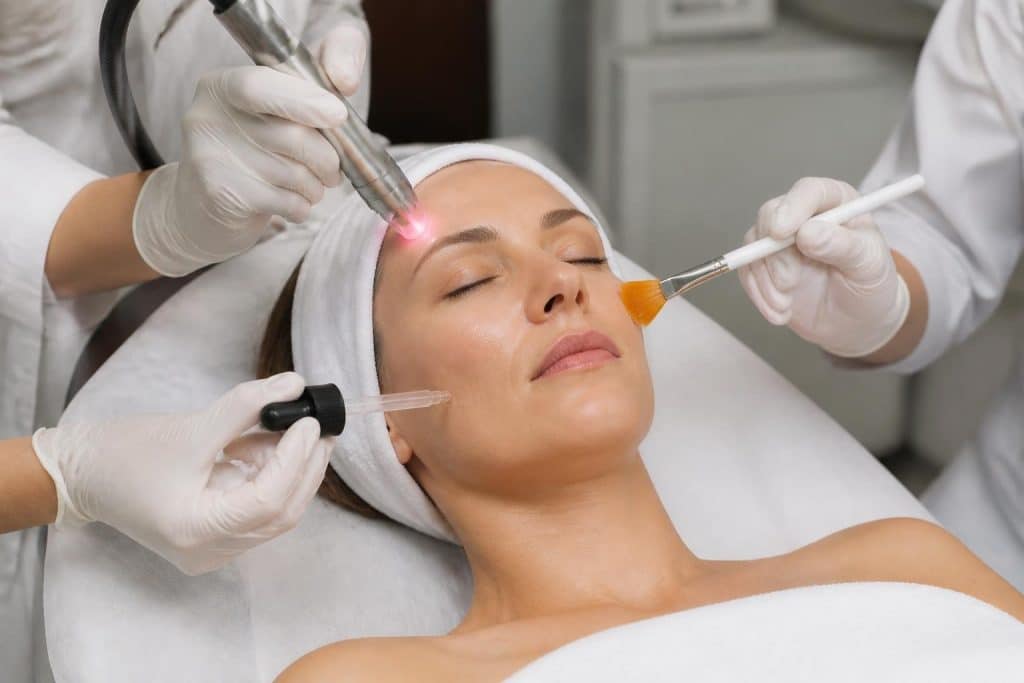
Achieving radiant, youthful skin has become more accessible than ever with advances in aesthetic technology. The best skin resurfacing treatments available today offer targeted solutions for concerns ranging from fine lines and wrinkles to acne scarring and sun damage. Whether you're exploring options for the first time or considering an upgrade from traditional skincare, understanding the latest resurfacing modalities helps you make informed decisions about your skin health. The landscape of professional skin treatments has evolved significantly, with options suited to virtually every skin type, concern, and recovery timeline.
Understanding Skin Resurfacing Technology
Skin resurfacing works by removing damaged outer layers of skin or stimulating collagen production in deeper layers to reveal healthier, smoother skin. The principle behind these treatments involves controlled injury to the skin, which triggers the body's natural healing response.
Modern resurfacing technologies fall into several categories, each with distinct mechanisms and benefits. Ablative treatments physically remove skin layers, while non-ablative approaches work beneath the surface without removing tissue. Some modalities combine both approaches for customized results.
How Resurfacing Transforms Skin
The transformation occurs through cellular renewal and collagen remodeling. When skin experiences controlled damage, fibroblasts activate and produce new collagen and elastin fibers. This process continues for months after treatment, with results improving over time.
Key benefits include:
- Reduction in fine lines and wrinkles
- Improved skin texture and tone
- Diminished appearance of scars
- Reduced pigmentation irregularities
- Tightened, firmer skin
- Minimized pore size
Laser Resurfacing: Gold Standard Treatment
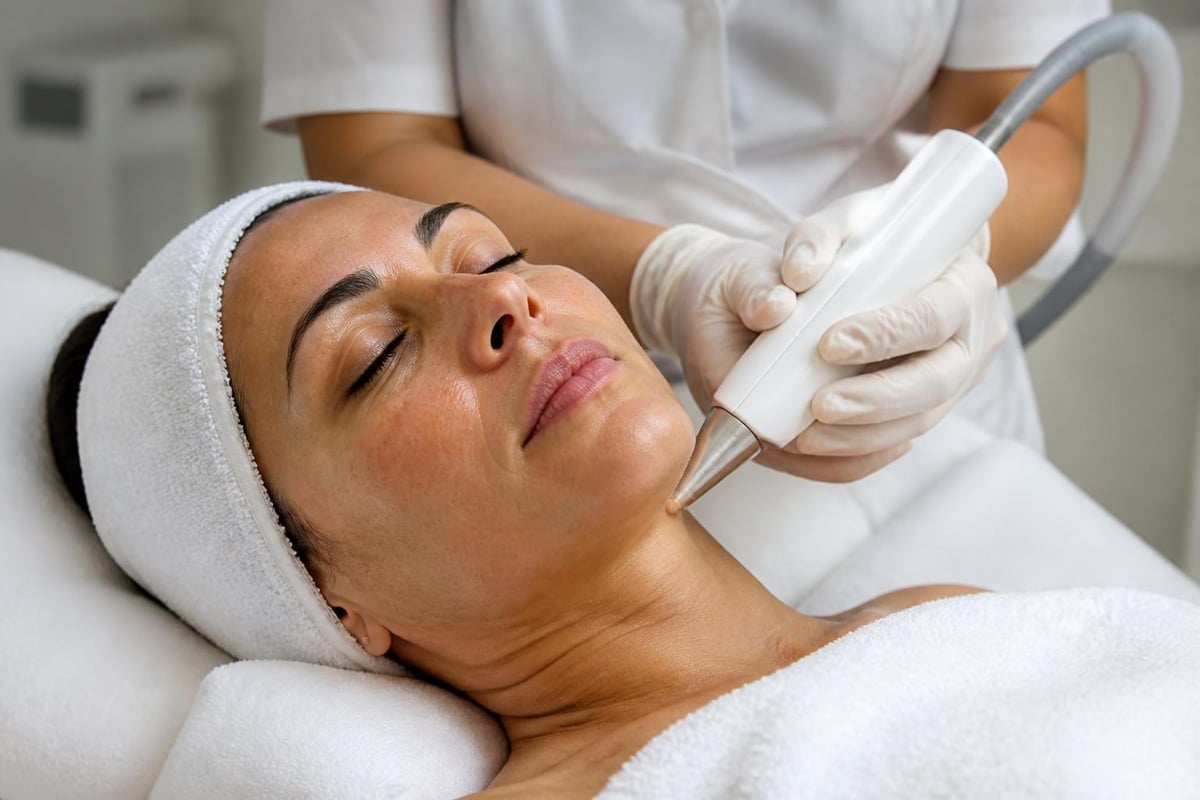
Laser technology represents some of the best skin resurfacing treatments available in 2026, offering precision and predictable outcomes. Laser resurfacing procedures have evolved to address multiple concerns with minimal downtime.
Ablative Laser Options
CO2 lasers remain the benchmark for dramatic resurfacing results. These devices vaporize skin tissue layer by layer, making them particularly effective for deep wrinkles, significant sun damage, and pronounced scarring. Carbon dioxide laser treatment requires careful preparation and aftercare but delivers transformative results.
Recovery typically spans 1-2 weeks, with initial redness persisting for several weeks. Results emerge gradually as new collagen forms over 3-6 months.
Erbium lasers offer a gentler alternative with less thermal damage to surrounding tissue. These work well for moderate wrinkles, sun spots, and surface irregularities. Recovery time is shorter, usually 5-7 days, making erbium lasers popular among patients seeking significant improvement without extended downtime.
Non-Ablative Laser Technology
Non-ablative lasers heat deeper skin layers without removing surface tissue. This approach stimulates collagen production while preserving the epidermis, resulting in minimal recovery time.
| Treatment Type | Downtime | Best For | Sessions Needed |
|---|---|---|---|
| Fractional Non-Ablative | 2-3 days | Fine lines, mild texture issues | 3-5 |
| Pulsed Dye Laser | 1-2 days | Redness, broken capillaries | 2-4 |
| Nd:YAG Laser | 1-2 days | Deep heating, tightening | 3-6 |
These treatments work cumulatively, with optimal results appearing after a series of sessions spaced 4-6 weeks apart.
Fractional Laser Innovation
Fractional lasers create microscopic treatment zones while leaving surrounding tissue intact. This approach dramatically reduces recovery time while maintaining effectiveness. Both ablative and non-ablative fractional lasers exist, offering flexibility for different skin concerns and tolerance levels.
The fractional approach allows for customizable depth and density settings, enabling practitioners to tailor treatments precisely to individual needs. This versatility makes fractional technology among the best skin resurfacing treatments for patients with varying concerns.
Chemical Peels: Time-Tested Resurfacing
Chemical peels use acid solutions to exfoliate skin at controlled depths. Multiple facial resurfacing options include chemical peels alongside laser and mechanical methods, each with specific applications.
Peel Depth Categories
Superficial peels using alpha-hydroxy acids (AHAs) or low-concentration trichloroacetic acid (TCA) address minor texture issues and dullness. These require no downtime and can be performed regularly for maintenance.
Medium-depth peels penetrate to the papillary dermis, effectively treating moderate sun damage, pigmentation, and fine lines. TCA peels in the 20-35% range fall into this category, with recovery spanning 5-7 days.
Deep peels using higher TCA concentrations or phenol solutions produce dramatic results for severe photoaging and deep wrinkles. These require significant recovery time (2-3 weeks) and careful patient selection.
Microneedling and Radiofrequency Combinations
Microneedling creates controlled micro-injuries using fine needles, triggering collagen production and improving product absorption. When combined with radiofrequency energy, results intensify significantly.
RF Microneedling Advantages
Radiofrequency treatments for facial rejuvenation demonstrate consistent efficacy across multiple studies, with particularly impressive results when combined with microneedling technology.
The dual mechanism works synergistically:
- Needles create microchannels in the skin
- Radiofrequency energy delivers heat to deeper layers
- Collagen production activates in multiple skin levels
- Tightening and texture improvement occur simultaneously
This combination ranks among the best skin resurfacing treatments for patients with darker skin tones, who may face higher risks with certain laser modalities. The controlled heat delivery minimizes pigmentation concerns while maximizing collagen stimulation.
Dermabrasion and Microdermabrasion
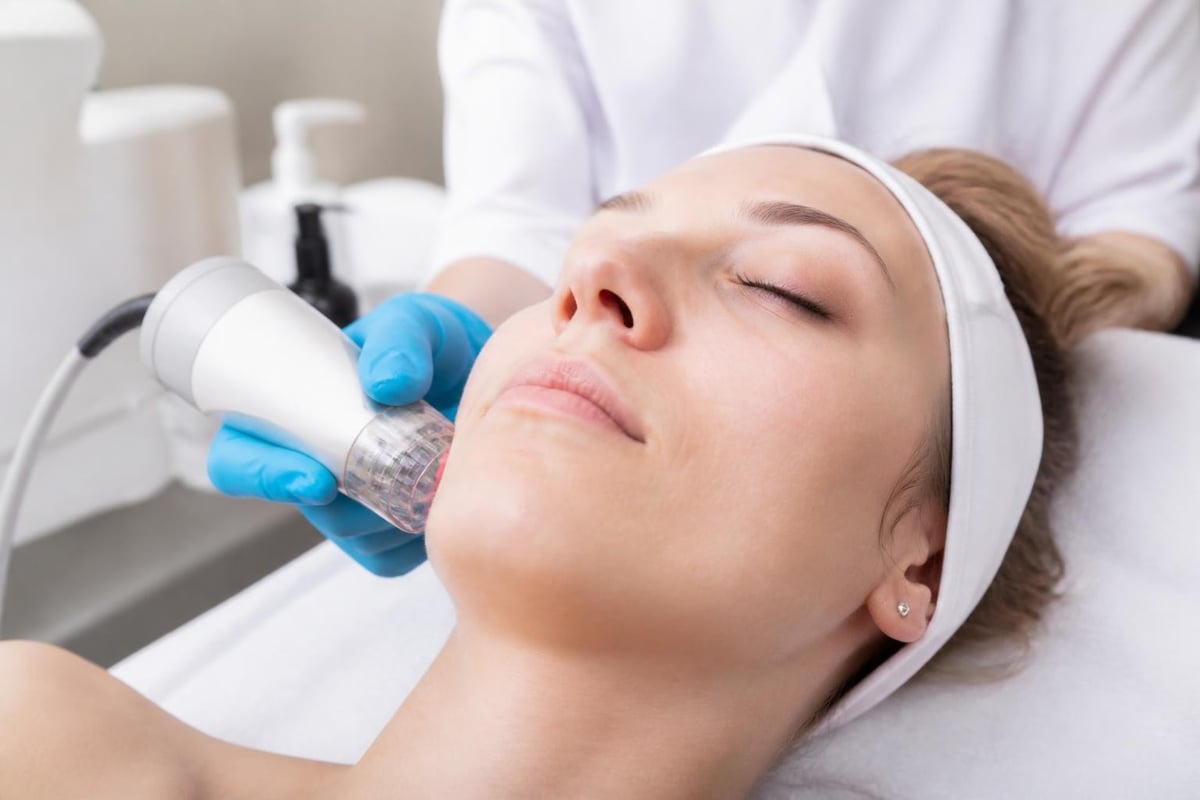
Mechanical resurfacing physically removes skin layers through controlled abrasion. Traditional dermabrasion uses a rotating instrument to sand away superficial skin, effectively treating scars, wrinkles, and precancerous growths.
Dermabrasion Applications
This intensive procedure requires local anesthesia and produces significant swelling and redness initially. Recovery extends 10-14 days, with pink skin persisting for several weeks. Results can be dramatic for appropriate candidates.
Microdermabrasion Benefits
A gentler alternative, microdermabrasion uses fine crystals or a diamond-tipped wand to exfoliate the outermost skin layer. While less intensive than other options, it offers:
- No downtime required
- Immediate glow and smoothness
- Enhanced product penetration
- Progressive improvement with regular sessions
- Safe for all skin types
Microdermabrasion works best as a maintenance treatment or for addressing very mild concerns. It complements other modalities well when incorporated into comprehensive skincare programs.
Intense Pulsed Light (IPL) Therapy
IPL uses broad-spectrum light to target pigmentation, redness, and texture irregularities. While technically not a laser, IPL provides resurfacing benefits through selective photothermolysis.
The device filters light wavelengths to target specific chromophores (melanin for pigment, hemoglobin for redness). Multiple concerns can be addressed simultaneously, making IPL efficient for patients with combination issues.
| Concern | Wavelength Target | Sessions Typical |
|---|---|---|
| Brown spots | 515-590 nm | 3-5 |
| Redness/vessels | 590-650 nm | 3-4 |
| Overall texture | 650-1200 nm | 4-6 |
Results appear gradually as targeted cells are absorbed by the body. Most patients see optimal improvement 2-3 months after completing their series.
Comparing Treatment Efficacy and Recovery
Comprehensive research comparing lasers and other resurfacing modalities helps patients understand relative effectiveness for different concerns. The best skin resurfacing treatments vary based on individual goals, skin type, and lifestyle constraints.
Recovery Time Comparison
Treatment intensity correlates directly with both results and recovery requirements. Aggressive treatments produce more dramatic improvements but demand extended healing periods.
- Minimal downtime (0-2 days): Microdermabrasion, superficial peels, non-ablative lasers
- Moderate downtime (3-7 days): Medium peels, erbium laser, fractional ablative laser
- Extended downtime (1-3 weeks): CO2 laser, deep chemical peels, traditional dermabrasion
Results Timeline
Patience proves essential with resurfacing treatments. While some improvements appear immediately, optimal results emerge over months as collagen remodeling continues.
Superficial treatments show quick surface improvements but require regular maintenance. Deeper modalities produce longer-lasting transformation with results improving for 6-12 months post-treatment.
Selecting the Right Treatment for Your Skin
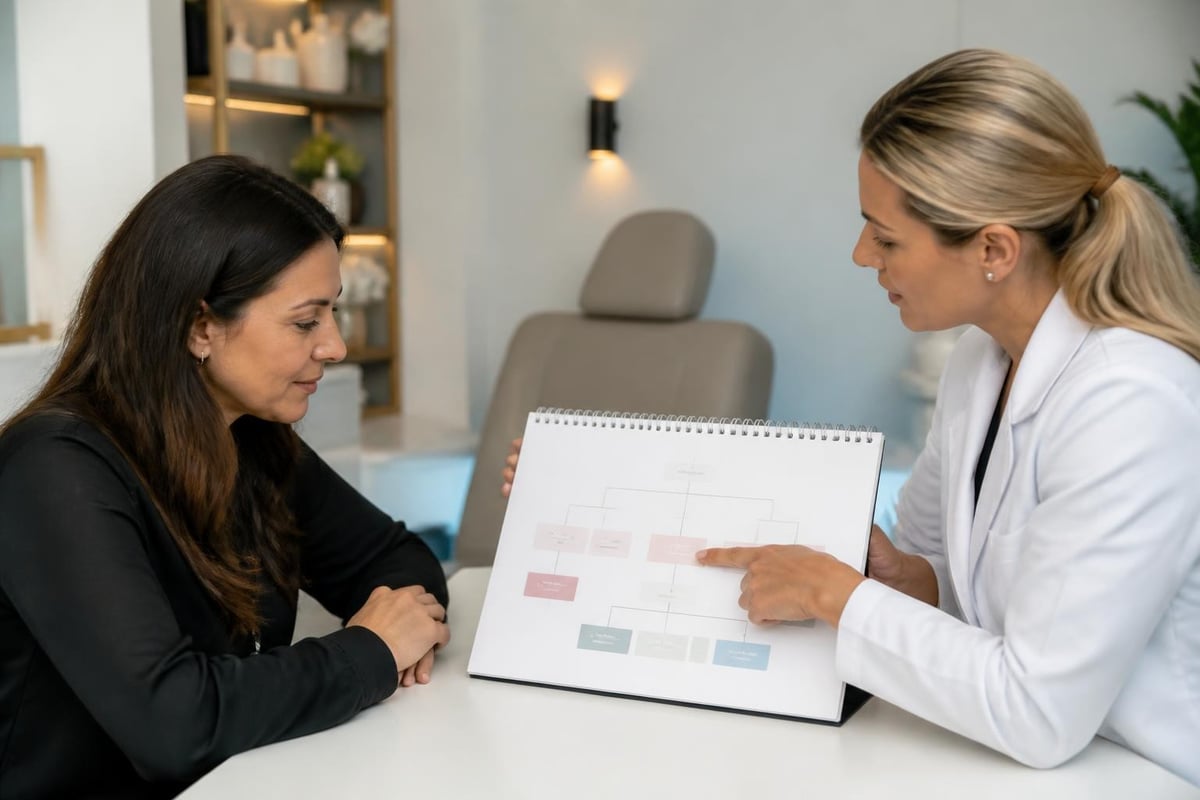
Determining the best skin resurfacing treatments for your specific needs requires professional assessment. Several factors influence treatment selection and expected outcomes.
Skin Type Considerations
Fitzpatrick skin type (a classification system rating skin color and sun sensitivity) significantly impacts treatment choice. Darker skin tones face higher risks of post-inflammatory hyperpigmentation with certain aggressive modalities.
Types I-II (fair skin that burns easily) can safely undergo most treatments, including aggressive ablative lasers and deep peels.
Types III-IV (olive to light brown skin) require careful treatment selection and often benefit from non-ablative options or conservative settings.
Types V-VI (brown to dark brown skin) typically achieve best results with radiofrequency-based treatments, specific laser wavelengths (Nd:YAG), or carefully performed chemical peels.
Concern-Specific Recommendations
Different skin issues respond best to particular modalities:
For wrinkles and fine lines: Ablative lasers, medium to deep peels, or RF microneedling deliver the most significant improvement. The depth of treatment should match wrinkle severity.
For acne scarring: Fractional lasers (both ablative and non-ablative), TCA CROSS technique for ice-pick scars, or dermabrasion provide effective solutions. Multiple sessions typically yield best results.
For pigmentation: IPL, Q-switched lasers, or chemical peels target melanin effectively. Treatment must be conservative in darker skin types to avoid paradoxical darkening.
For overall texture and tone: Combination approaches often work best, such as alternating between laser treatments and chemical peels or incorporating microneedling with topical therapy.
Preparing for Resurfacing Treatments
Proper preparation maximizes results and minimizes complications. Most protocols begin 4-6 weeks before treatment.
Pre-Treatment Protocol
Your skincare professional will typically recommend:
- Discontinue retinoids 1-2 weeks before treatment (or as directed)
- Apply prescribed topical preparations to prime skin
- Avoid sun exposure and use broad-spectrum SPF 30+ daily
- Discontinue certain medications that increase bleeding or photosensitivity
- Schedule treatments during periods when you can avoid sun exposure afterward
Some practitioners prescribe hydroquinone or tretinoin to prepare skin and reduce pigmentation risk. Antiviral medication may be necessary for patients with herpes simplex history.
Post-Treatment Care Essentials
Recovery protocols vary by treatment intensity but generally include:
- Gentle cleansing with mild, fragrance-free products
- Intensive moisturization to support healing
- Strict sun protection with physical sunscreens
- Avoiding makeup for specified periods
- Sleeping elevated to reduce swelling
- Avoiding strenuous exercise that increases blood flow to the face
Following aftercare instructions precisely determines both safety and results quality. Non-compliance increases complication risks and may compromise outcomes.
Advanced Combination Approaches
Leading aesthetic practices increasingly utilize combination protocols, layering complementary technologies for superior outcomes. This strategy often surpasses results from single-modality treatments.
Synergistic Treatment Protocols
Laser plus chemical peel: Fractional laser treatment followed by a superficial peel (spaced appropriately) addresses both deep and surface concerns comprehensively.
Microneedling with PRP: Combining radiofrequency microneedling with platelet-rich plasma (from the patient's own blood) enhances healing and amplifies collagen stimulation.
Sequential depth approach: Beginning with aggressive treatment for foundational improvement, then maintaining results with gentler modalities creates lasting transformation.
These protocols require expert planning and execution but represent some of the best skin resurfacing treatments for patients seeking maximum improvement.
Safety Considerations and Risk Management
While generally safe when performed by qualified professionals, resurfacing treatments carry potential risks that patients should understand.
Common Side Effects
Expected temporary effects include:
- Redness and swelling (duration varies by treatment)
- Peeling and flaking (part of normal healing)
- Sensitivity and tightness
- Temporary darkening or lightening
These resolve with proper care and time.
Serious Complications
Though rare, potential complications include:
- Infection (bacterial, viral, or fungal)
- Prolonged erythema lasting months
- Permanent pigmentation changes
- Scarring (more likely with aggressive treatments or improper aftercare)
Choosing experienced providers and following all pre- and post-treatment instructions minimizes these risks significantly. New Skin Laser Clinic prioritizes safety through comprehensive consultations and personalized treatment protocols.
Cost Considerations and Treatment Value
Investment in professional skin resurfacing varies widely based on treatment type, provider expertise, and geographic location.
| Treatment | Typical Cost Range | Longevity of Results |
|---|---|---|
| Microdermabrasion | $100-200 per session | 2-4 weeks |
| Superficial peel | $150-300 per session | 1-2 months |
| IPL | $300-600 per session | 6-12 months |
| Fractional laser | $500-1,500 per session | 1-2 years |
| RF microneedling | $600-1,200 per session | 1-2 years |
| Ablative laser | $2,000-5,000 per treatment | 3-5 years |
While more aggressive treatments require larger initial investments, their longevity often provides better value than repeated gentler procedures. However, individual budgets, tolerance for downtime, and personal preferences all factor into the optimal choice.
Maintaining Resurfacing Results
Maximizing the longevity of treatment outcomes requires consistent home care and periodic maintenance procedures.
Daily Skincare Essentials
A quality home regimen preserves resurfacing results:
- Broad-spectrum sunscreen (SPF 30+) prevents new damage
- Antioxidant serums (vitamin C, E) protect against environmental stress
- Retinoids (as tolerated) stimulate ongoing collagen production
- Hydrating products maintain skin barrier function
Maintenance Treatment Schedule
Most patients benefit from periodic touch-up treatments. The best skin resurfacing treatments include maintenance plans:
After aggressive procedures (CO2 laser, deep peels): Annual or biannual lighter treatments maintain results.
After moderate treatments: Quarterly or semi-annual sessions preserve improvements.
Ongoing prevention: Regular superficial treatments (monthly or quarterly) prevent new concerns from developing.
This proactive approach extends results and often prevents the need for repeat aggressive procedures.
Understanding your options empowers you to choose the best skin resurfacing treatments for your unique skin concerns and lifestyle. Whether you're targeting fine lines, acne scarring, or overall texture improvement, today's advanced technologies offer effective solutions with varying intensities and recovery periods. The team at New Skin Laser Clinic in Toronto provides expert consultations to help you navigate these options and create a personalized treatment plan using state-of-the-art technology tailored to your specific needs and goals.