The landscape of aesthetic medicine has transformed dramatically over the past decade, with microneedling laser clinics emerging as premier destinations for individuals seeking comprehensive skin rejuvenation. These specialized facilities combine the proven benefits of microneedling with advanced laser technologies to address a wide spectrum of skin concerns. As demand for minimally invasive procedures continues to rise in 2026, understanding what sets these clinics apart and how their combined treatment approaches deliver superior results becomes essential for anyone considering professional skin care solutions.
Understanding the Science Behind Combined Treatments
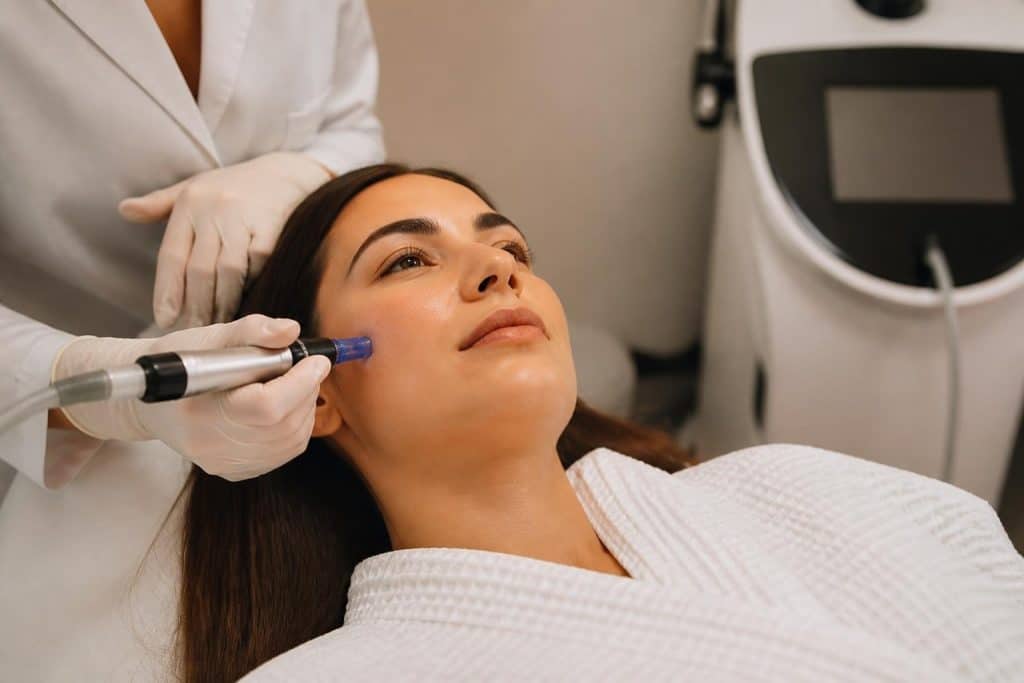
Microneedling laser clinics leverage two distinct yet complementary technologies that work synergistically to enhance skin health and appearance. The microneedling component involves creating controlled micro-injuries to the skin using fine needles, which triggers the body's natural healing response and stimulates collagen production. According to research on microneedling physiology, this process activates growth factors that promote tissue remodeling and regeneration.
How Microneedling and Laser Treatments Complement Each Other
The integration of these modalities creates a powerful treatment protocol that addresses multiple skin layers simultaneously. Laser technology targets specific chromophores in the skin, such as melanin or hemoglobin, while microneedling focuses on structural remodeling through collagen induction.
Key advantages of combined treatments include:
- Enhanced product penetration through microchannels created by needling
- Deeper dermal remodeling from dual stimulation mechanisms
- Reduced recovery time compared to more aggressive laser resurfacing
- Customizable treatment intensity based on individual skin concerns
- Improved results for complex conditions like acne scarring and melasma
Professional facilities offering these services maintain strict protocols to ensure safety and efficacy. The treatment rooms are equipped with medical-grade devices, and practitioners undergo extensive training to master both technologies.
What to Expect During Your First Consultation
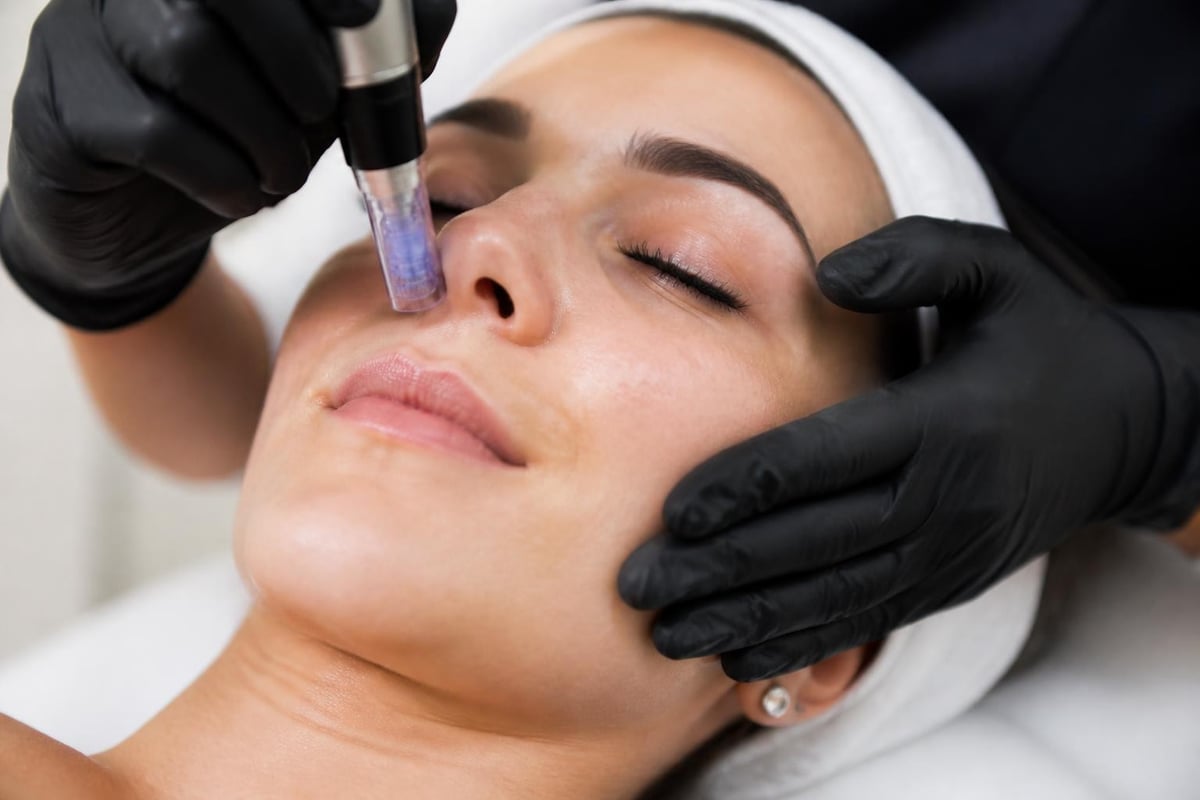
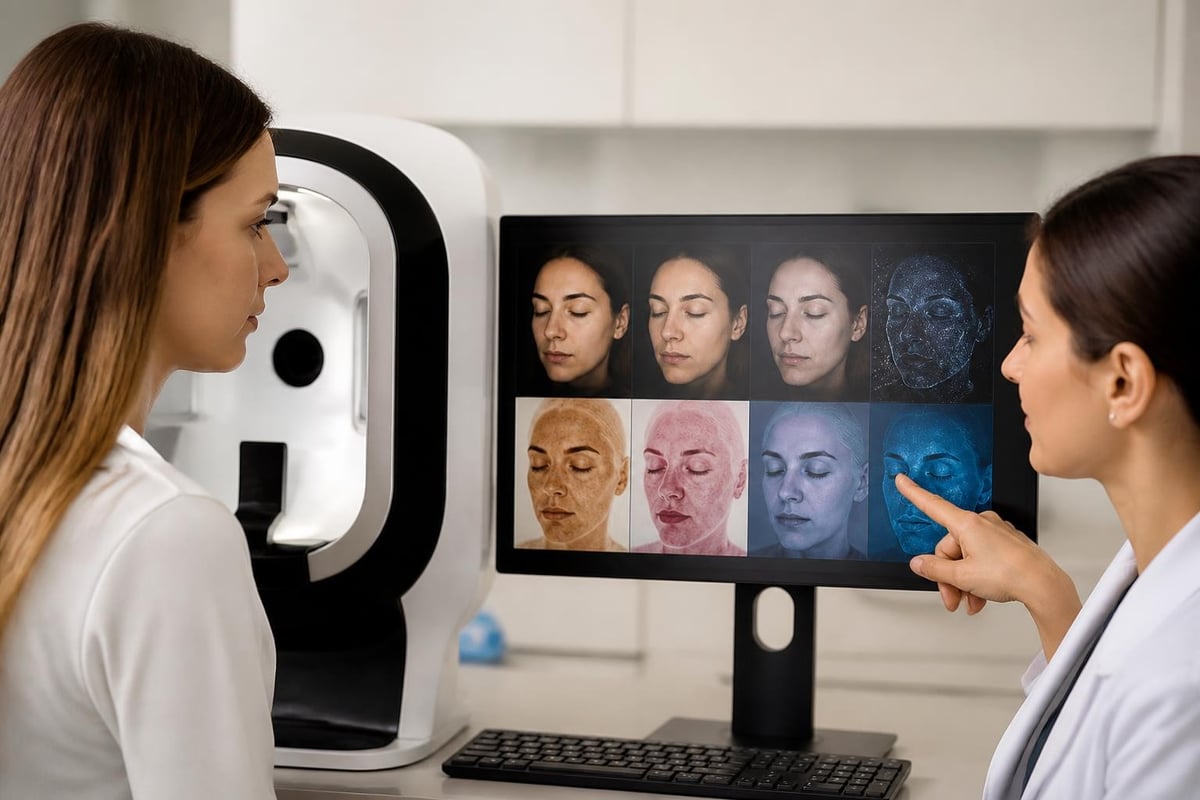
When visiting microneedling laser clinics for the first time, prospective clients undergo a comprehensive skin analysis to determine the most appropriate treatment plan. Expert estheticians evaluate skin type, concerns, medical history, and aesthetic goals to create personalized protocols.
The Assessment Process
| Assessment Component | Purpose | Duration |
|---|---|---|
| Skin Type Analysis | Determine sensitivity and treatment compatibility | 10-15 minutes |
| Medical History Review | Identify contraindications and safety considerations | 15-20 minutes |
| Concern Mapping | Prioritize treatment areas and desired outcomes | 10-15 minutes |
| Treatment Plan Development | Customize protocols and schedule sessions | 15-20 minutes |
During this initial visit, practitioners explain the science behind each modality and set realistic expectations for results. They discuss the number of sessions typically required, which often ranges from three to six treatments spaced four to six weeks apart for optimal collagen remodeling.
The consultation also addresses pre-treatment preparation, including avoiding certain medications, skincare products, and sun exposure. Clients receive detailed aftercare instructions to maximize results and minimize potential side effects.
Treatment Combinations Offered at Advanced Facilities
Modern microneedling laser clinics offer various treatment combinations tailored to specific skin concerns. These protocols integrate different laser wavelengths, needle depths, and radiofrequency energy to achieve targeted outcomes.
Popular Treatment Protocols
For Acne Scarring and Texture Issues:
Combining fractional laser resurfacing with mechanical microneedling provides exceptional results for post-inflammatory scarring. The laser targets pigmentation while microneedling remodels depressed scars through collagen formation.
For Anti-Aging and Skin Tightening:
Radiofrequency microneedling paired with non-ablative laser treatments addresses fine lines, wrinkles, and skin laxity. This combination stimulates both superficial and deep collagen structures for comprehensive rejuvenation.
For Hyperpigmentation and Uneven Tone:
Q-switched lasers combined with traditional microneedling effectively break down excess melanin while promoting even skin renewal. Yale Medicine's research on microneedling applications supports its efficacy for treating various pigmentation disorders.
Customization Based on Skin Type
Experienced practitioners adjust treatment parameters based on Fitzpatrick skin type to minimize risks and optimize outcomes:
- Assessment of melanin content and photosensitivity
- Selection of appropriate laser wavelength (1064nm, 755nm, or 532nm)
- Determination of microneedling depth (0.5mm to 2.5mm)
- Adjustment of energy levels and treatment density
- Planning of session intervals for adequate healing
Safety Protocols and Professional Standards
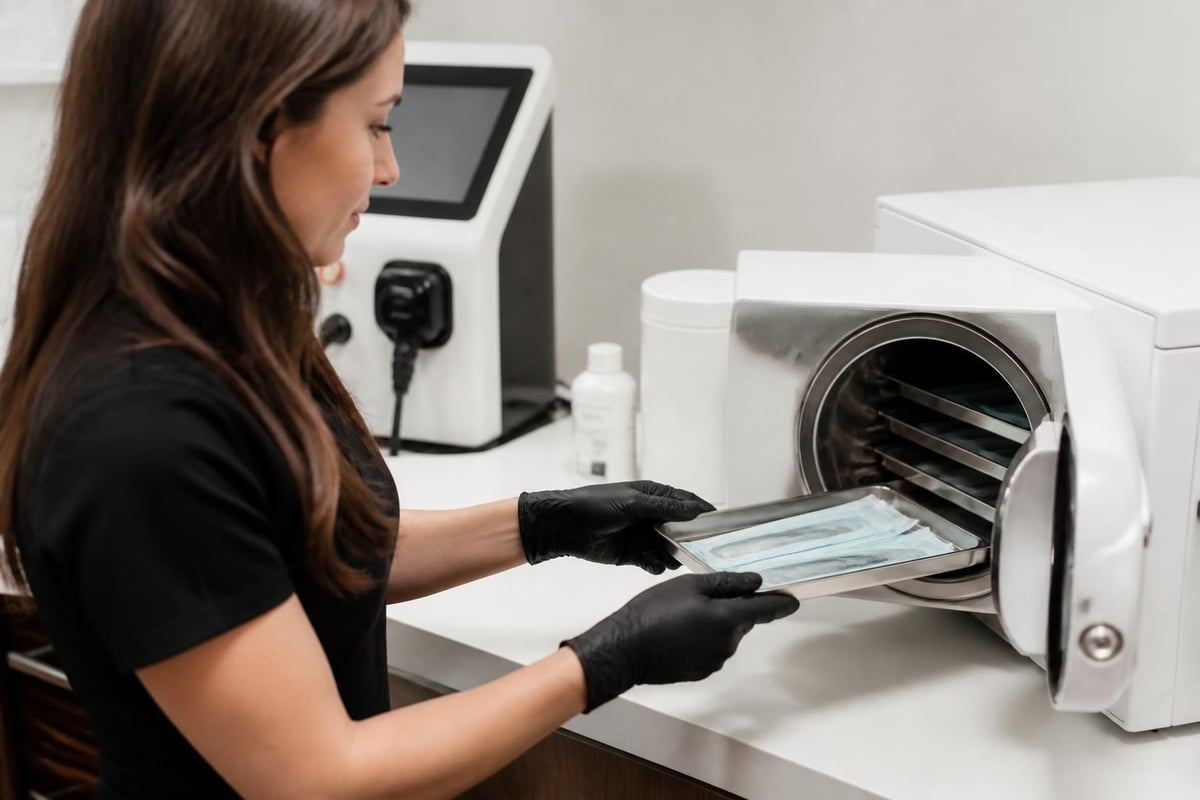
Reputable microneedling laser clinics maintain rigorous safety standards that protect clients while delivering effective results. These facilities invest in FDA-cleared devices, implement strict sterilization procedures, and ensure all practitioners maintain current certifications.
Device Quality and Maintenance
Professional-grade equipment differs significantly from at-home devices in terms of precision, power, and safety features. Clinical microneedling devices feature:
- Adjustable needle depths for precise tissue penetration
- Single-use sterile needle cartridges to prevent cross-contamination
- Consistent needle oscillation for uniform treatment coverage
- Integration with radiofrequency or LED light therapy
- Real-time monitoring systems for treatment parameters
Laser systems in these facilities undergo regular calibration and maintenance to ensure consistent energy delivery. Practitioners document all device settings and client responses to refine future treatments and maintain quality control.
Managing Treatment Discomfort and Recovery
Understanding the treatment experience helps clients prepare mentally and physically for their sessions at microneedling laser clinics. While individual pain tolerance varies, most practitioners employ multiple strategies to ensure client comfort throughout the procedure.
Pain Management Strategies
| Method | Application | Effectiveness |
|---|---|---|
| Topical Anesthetic Cream | Applied 30-45 minutes before treatment | Moderate to High |
| Cold Air Device | Continuous cooling during procedure | Moderate |
| Vibration Anesthesia | Distracts nerve signals during needling | Low to Moderate |
| Injectable Anesthetic | Reserved for aggressive treatments | High |
The actual treatment sensation varies depending on the area being treated and the depth of penetration. Most clients describe the feeling as mild to moderate pressure with occasional pinching sensations.
Post-Treatment Recovery Timeline
Immediate (0-24 hours):
Skin appears red and feels warm, similar to a moderate sunburn. Swelling may occur, particularly around delicate areas like the eyes.
Days 1-3:
Redness subsides gradually. Mild peeling or flaking may begin as the skin starts its renewal process.
Days 4-7:
Most visible side effects resolve. Skin texture may feel slightly rough as cellular turnover continues.
Weeks 2-6:
Collagen production accelerates. Improvements in skin tone, texture, and firmness become noticeable.
Research published on radiofrequency microneedling demonstrates that optimal results typically appear three to six months post-treatment as collagen remodeling reaches its peak.
Selecting the Right Clinic for Your Needs
Choosing among microneedling laser clinics requires careful evaluation of several critical factors beyond price and location. The quality of results and safety of treatments depend heavily on practitioner expertise, facility standards, and technology investments.
Essential Evaluation Criteria
Practitioner Qualifications:
Verify that estheticians and medical professionals have completed specialized training in both microneedling and laser treatments. Certifications from recognized organizations demonstrate commitment to professional development.
Technology Portfolio:
Advanced clinics invest in multiple device types to address diverse skin concerns. Look for facilities offering various laser wavelengths and microneedling systems, including radiofrequency-enhanced options.
Before and After Documentation:
Reputable establishments maintain extensive portfolios of actual client results. These images should show realistic outcomes across different skin types and concerns.
Consultation Quality:
The thoroughness of the initial assessment reflects the clinic's commitment to personalized care. Practitioners should spend adequate time understanding your goals and explaining treatment approaches.
Red Flags to Avoid
- Clinics making unrealistic promises or guarantees
- Facilities unable to provide device specifications or safety certifications
- Practitioners who rush consultations or pressure immediate booking
- Absence of clear pricing structures or hidden fees
- Limited or no follow-up care protocols
Advanced Treatment Options in 2026
The field of aesthetic medicine continues to evolve, with microneedling laser clinics incorporating cutting-edge technologies that enhance traditional protocols. These innovations offer improved outcomes with reduced downtime and expanded treatment capabilities.
Emerging Technologies and Techniques
Automated Microneedling Systems:
Computer-controlled devices ensure precise needle penetration depths and consistent treatment coverage. These systems integrate with imaging technology to map treatment areas and avoid sensitive structures.
Hybrid Energy Platforms:
Next-generation devices combine multiple energy types in single treatments. Simultaneous delivery of radiofrequency, laser, and mechanical microneedling maximizes collagen stimulation while minimizing the number of required sessions.
AI-Powered Treatment Planning:
Artificial intelligence algorithms analyze skin images to recommend optimal treatment parameters. These systems track progress over multiple sessions and adjust protocols based on individual response patterns.
The role of microneedling in modern dermatology continues to expand as research validates new applications and techniques.
Maximizing Results Through Proper Aftercare
Success with treatments at microneedling laser clinics extends beyond the procedure room. Following specific aftercare guidelines significantly impacts healing quality, result longevity, and overall satisfaction with outcomes.
Critical Post-Treatment Guidelines
- Avoid direct sun exposure for at least two weeks following treatment
- Apply broad-spectrum SPF 50+ sunscreen daily, reapplying every two hours
- Use gentle, fragrance-free cleansers to avoid irritating healing skin
- Skip active ingredients like retinoids, acids, and vitamin C for 3-5 days
- Maintain adequate hydration with hyaluronic acid serums and gentle moisturizers
- Avoid strenuous exercise for 24-48 hours to prevent excessive sweating
Skincare Products That Support Healing
Proper product selection during recovery enhances treatment outcomes and prevents complications:
- Growth Factor Serums: Support cellular repair and collagen synthesis
- Peptide Complexes: Provide building blocks for new collagen formation
- Ceramide Creams: Restore barrier function and prevent moisture loss
- Antioxidant Formulations: Protect healing tissue from environmental damage
Many clinics offer professional-grade post-treatment kits specifically formulated to support recovery. These products complement the treatment and help maintain results between sessions.
Cost Considerations and Treatment Value
Investment in services at microneedling laser clinics varies based on geographic location, practitioner experience, treatment area size, and technology used. Understanding pricing structures helps clients budget appropriately and evaluate value.
Typical Price Ranges in 2026
| Treatment Type | Single Session | Package (3-6 sessions) |
|---|---|---|
| Standard Microneedling | $250-$450 | $700-$1,200 |
| RF Microneedling | $400-$800 | $1,100-$2,200 |
| Laser + Microneedling Combo | $600-$1,200 | $1,600-$3,200 |
| Full Face + Neck | $800-$1,500 | $2,100-$4,000 |
While cost represents an important consideration, focusing solely on price often leads to suboptimal results. The expertise of practitioners, quality of equipment, and comprehensiveness of care significantly impact outcomes and long-term value.
Maximizing Your Investment
Package Deals:
Most clinics offer discounted rates when booking multiple sessions upfront. Since optimal results require a series of treatments, packages provide better value than individual sessions.
Seasonal Promotions:
Many facilities run special offers during slower months or introduce promotions for new services. However, avoid scheduling treatments during peak sun exposure months without adequate recovery time.
Combination Services:
Bundling complementary treatments often yields price advantages while addressing multiple skin concerns simultaneously.
Long-Term Results and Maintenance
The benefits achieved through treatments at microneedling laser clinics continue to develop over several months as collagen remodeling progresses. Understanding the timeline for results and maintenance requirements helps set appropriate expectations and plan ongoing care.
Result Development Timeline
Weeks 1-4:
Initial improvements in skin texture and radiance appear as cellular turnover accelerates. Fine lines may look softer, and skin tone begins to even out.
Months 2-3:
Collagen production reaches higher levels, creating noticeable improvements in skin firmness and elasticity. Deeper wrinkles and scars show measurable reduction.
Months 4-6:
Maximum results become visible as new collagen fibers mature and organize. Skin appears fuller, smoother, and more youthful.
Maintenance Protocols
To preserve results long-term, most practitioners recommend:
- Quarterly maintenance treatments after completing the initial series
- Consistent use of medical-grade skincare products
- Daily sun protection to prevent collagen breakdown
- Healthy lifestyle habits including proper hydration and nutrition
- Annual reassessment to adjust treatment plans as skin changes
The longevity of results varies based on age, skin condition, lifestyle factors, and adherence to aftercare recommendations. Most clients enjoy significant improvements for 12-18 months before considering maintenance sessions.
Addressing Common Concerns and Misconceptions
Prospective clients often have questions about safety, efficacy, and suitability when considering treatments at microneedling laser clinics. Addressing these concerns with accurate information helps individuals make informed decisions.
Frequently Asked Questions
Is the treatment safe for all skin types?
Modern protocols can be adapted for various skin types, though individuals with darker complexions require special considerations to minimize pigmentation risks. Experienced practitioners adjust laser wavelengths and treatment intensity accordingly.
How does this compare to traditional laser resurfacing?
Combined microneedling and laser treatments offer excellent results with less downtime than aggressive ablative laser procedures. While full ablative resurfacing may produce more dramatic results in certain cases, the recovery period is significantly longer.
Can treatments address active acne?
While these procedures excel at treating acne scarring, they should not be performed over active inflammatory acne. Clients must first achieve clear skin through appropriate medical treatments before pursuing cosmetic procedures.
Are results permanent?
The collagen produced through treatment becomes part of your skin's structure, but natural aging continues. Regular maintenance helps preserve improvements and address new concerns as they develop.
What makes professional treatment better than at-home devices?
Clinical-grade equipment penetrates deeper, delivers consistent energy, and operates under sterile conditions. Professional assessment ensures appropriate treatment selection and parameter adjustment for optimal safety and results.
Integration With Comprehensive Skin Care Programs
Forward-thinking microneedling laser clinics recognize that optimal outcomes require more than isolated procedures. These facilities develop comprehensive skin care programs that address concerns through multiple complementary approaches.
Holistic Treatment Approach
Medical-Grade Skincare:
Professional product lines contain higher concentrations of active ingredients that support treatment outcomes. Practitioners recommend specific formulations based on individual skin analysis.
Nutritional Guidance:
Skin health reflects overall wellness. Some clinics offer nutritional counseling to address deficiencies that impact healing and collagen production.
Lifestyle Modifications:
Recommendations regarding sleep, stress management, and environmental protection help maximize treatment longevity.
Combination Therapies:
Integrating chemical peels, LED light therapy, or injectable treatments with microneedling and laser sessions creates synergistic effects.
This comprehensive approach distinguishes exceptional facilities from those offering only procedural services. For more information on advanced treatments, explore options at New Skin Laser Clinic.
Professional microneedling laser clinics combine advanced technology with personalized care to deliver transformative skin rejuvenation results. Understanding treatment options, safety protocols, and expected outcomes empowers you to make informed decisions about your aesthetic goals. If you're seeking expert guidance and state-of-the-art treatments in Toronto, New Skin Laser Clinic offers comprehensive aesthetic services delivered by experienced estheticians committed to helping you achieve radiant, youthful skin through customized treatment protocols.