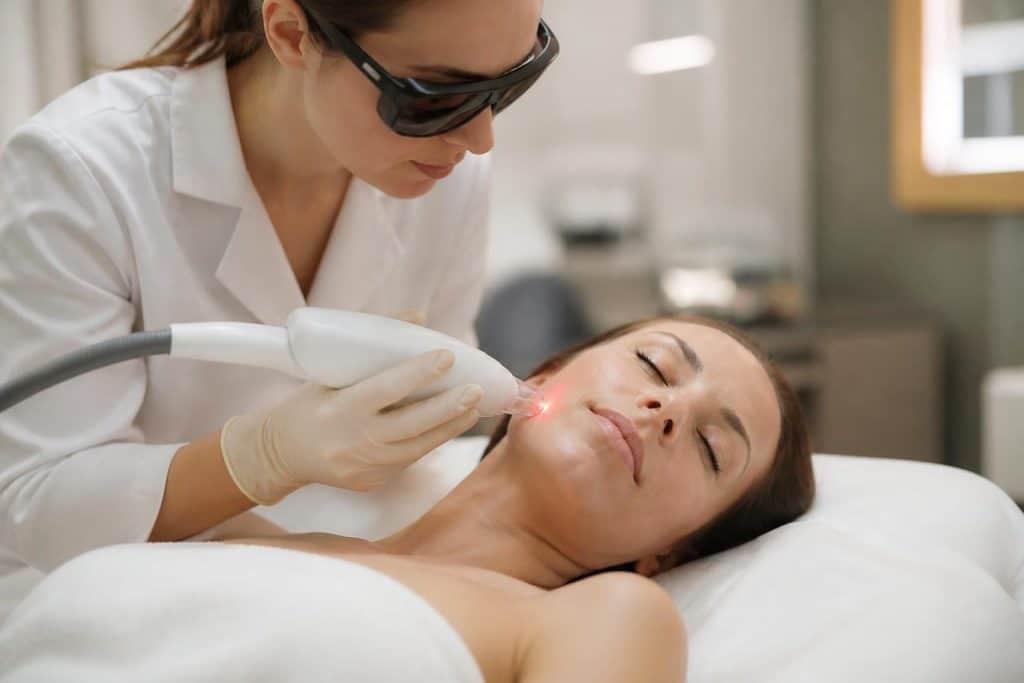
Modern dermatology has revolutionized how we approach aging and damaged skin, with laser treatment for skin rejuvenation emerging as one of the most effective solutions available. This advanced technology harnesses concentrated light energy to address multiple skin concerns simultaneously, from fine lines and wrinkles to uneven pigmentation and textural irregularities. As technology continues to evolve in 2026, more individuals are discovering the transformative benefits of laser treatments for achieving healthier, more youthful-looking skin.
Understanding Laser Skin Rejuvenation Technology
Laser treatment for skin rejuvenation works by delivering precise wavelengths of light energy into the skin's layers. This controlled energy stimulates the body's natural healing response, triggering collagen production and cellular renewal.
The science behind this process is remarkably sophisticated. When laser energy penetrates the skin, it creates micro-injuries that prompt fibroblasts to produce fresh collagen and elastin. These proteins are essential for maintaining skin structure and elasticity.
Different laser types target specific chromophores within the skin:
- Melanin-targeting lasers address pigmentation issues and age spots
- Hemoglobin-targeting lasers treat vascular lesions and redness
- Water-targeting lasers resurface skin and improve texture
- Multi-wavelength systems combine benefits for comprehensive treatment
The advancements in laser skin care technology have made treatments more precise and effective than ever before.
Ablative vs. Non-Ablative Treatments
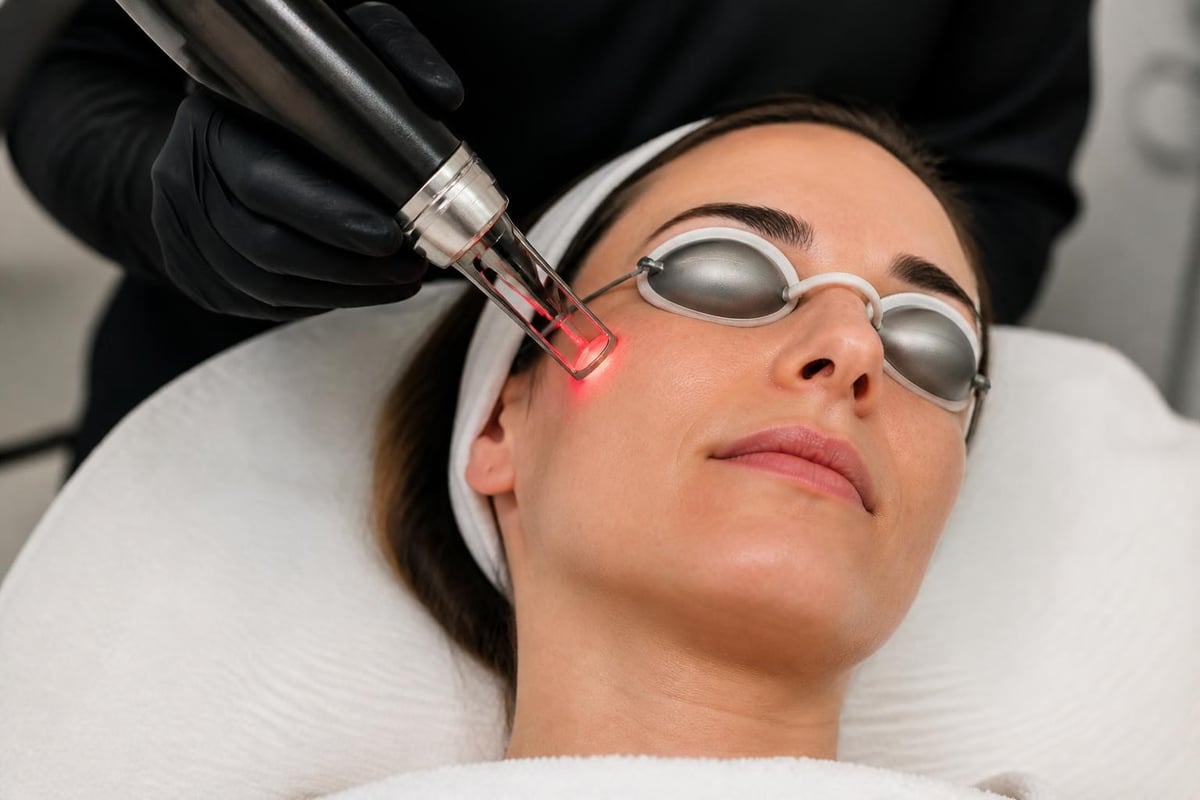
The distinction between ablative and non-ablative laser treatment for skin rejuvenation is crucial for understanding which option suits your needs.
Ablative lasers remove the outer layers of skin entirely. CO2 and Erbium lasers fall into this category, delivering dramatic results for severe sun damage, deep wrinkles, and significant scarring. Recovery time ranges from one to three weeks, but outcomes can be transformative.
Non-ablative lasers work beneath the skin's surface without removing tissue. These gentler options stimulate collagen production while leaving the epidermis intact. Popular choices include Nd:YAG, pulsed dye, and certain IPL (Intense Pulsed Light) systems.
| Treatment Type | Downtime | Best For | Sessions Needed |
|---|---|---|---|
| Ablative CO2 | 7-14 days | Deep wrinkles, severe scarring | 1-2 |
| Ablative Erbium | 5-10 days | Moderate wrinkles, sun damage | 1-2 |
| Non-ablative Fractional | 2-5 days | Fine lines, mild texture issues | 3-5 |
| IPL | 1-3 days | Pigmentation, vascular lesions | 3-6 |
According to detailed medical research on ablative laser resurfacing, proper patient selection and technique are critical for achieving optimal results while minimizing complications.
Conditions Treated with Laser Rejuvenation
Laser treatment for skin rejuvenation addresses an extensive range of skin concerns that develop over time due to aging, sun exposure, and environmental factors.
Common Skin Issues
Fine lines and wrinkles respond exceptionally well to laser energy. The treatment stimulates collagen remodeling, which plumps the skin from within and smooths surface irregularities. Most patients notice significant improvement in crow's feet, forehead lines, and perioral wrinkles.
Hyperpigmentation, including age spots, sun spots, and melasma, can be effectively lightened through targeted laser therapy. The energy breaks apart melanin clusters, allowing the body to naturally eliminate excess pigment through its lymphatic system.
Uneven skin texture caused by enlarged pores, rough patches, or minor scarring improves as laser energy promotes cellular turnover. Fresh, healthy skin cells replace damaged tissue, creating a smoother, more refined surface.
Advanced Applications
Acne scarring represents one of the most challenging cosmetic concerns. Fractional laser treatment for skin rejuvenation has proven particularly effective for this condition. By creating controlled micro-wounds in a grid pattern, the treatment stimulates collagen production specifically in depressed scar tissue.
Rosacea and visible blood vessels benefit from vascular-specific lasers. These systems target hemoglobin within blood vessels, causing them to coagulate and eventually be reabsorbed by the body.
- Surgical scars and stretch marks
- Skin laxity and mild sagging
- Pre-cancerous lesions (actinic keratoses)
- Overall skin tone and radiance
The International Society of Aesthetic Plastic Surgery provides comprehensive information on how different laser types address specific concerns.
The Treatment Experience
Understanding what happens during laser treatment for skin rejuvenation helps reduce anxiety and ensures realistic expectations.
Pre-Treatment Preparation
Proper preparation significantly influences treatment outcomes. Most providers recommend avoiding sun exposure for four to six weeks before your session. Discontinuing certain medications and skincare products that increase photosensitivity is equally important.
Your consultation at a facility like New Skin Laser Clinic will include a thorough skin assessment. The esthetician evaluates your skin type, concerns, and medical history to customize the treatment protocol.
Pre-treatment skincare often includes:
- Retinoid application to prepare skin for faster healing
- Hydroquinone use for pigmentation concerns
- Antiviral medication if you have a history of cold sores
- SPF 30+ sunscreen daily without exception
During the Procedure
The actual laser treatment for skin rejuvenation typically takes 30 to 90 minutes, depending on treatment area and technology used. Topical numbing cream is applied 45 minutes beforehand to minimize discomfort.
Most patients describe the sensation as tiny rubber band snaps or a warm, prickling feeling. Cooling devices often accompany the laser to enhance comfort and protect surrounding tissue.
The provider makes multiple passes over treatment areas, ensuring even energy distribution. Advanced clinics may use vision-guided robotic systems to deliver uniform laser energy with exceptional precision.
Recovery and Results Timeline
Post-treatment recovery varies dramatically based on whether you received ablative or non-ablative laser treatment for skin rejuvenation.
Immediate Aftermath
Expect redness, warmth, and swelling immediately following treatment. Non-ablative procedures cause minimal disruption, with symptoms resolving within 24 to 72 hours. Ablative treatments produce more pronounced effects, including oozing, crusting, and significant redness lasting one to two weeks.
Critical aftercare steps include:
- Gentle cleansing with mild, fragrance-free products
- Liberal application of healing ointments or prescribed medications
- Strict sun avoidance and SPF 50+ protection
- Sleeping with head elevated to reduce swelling
- Avoiding makeup until skin fully re-epithelializes
The preparation and safety guidelines provided by skincare experts emphasize the importance of following aftercare instructions precisely.
Progressive Improvement
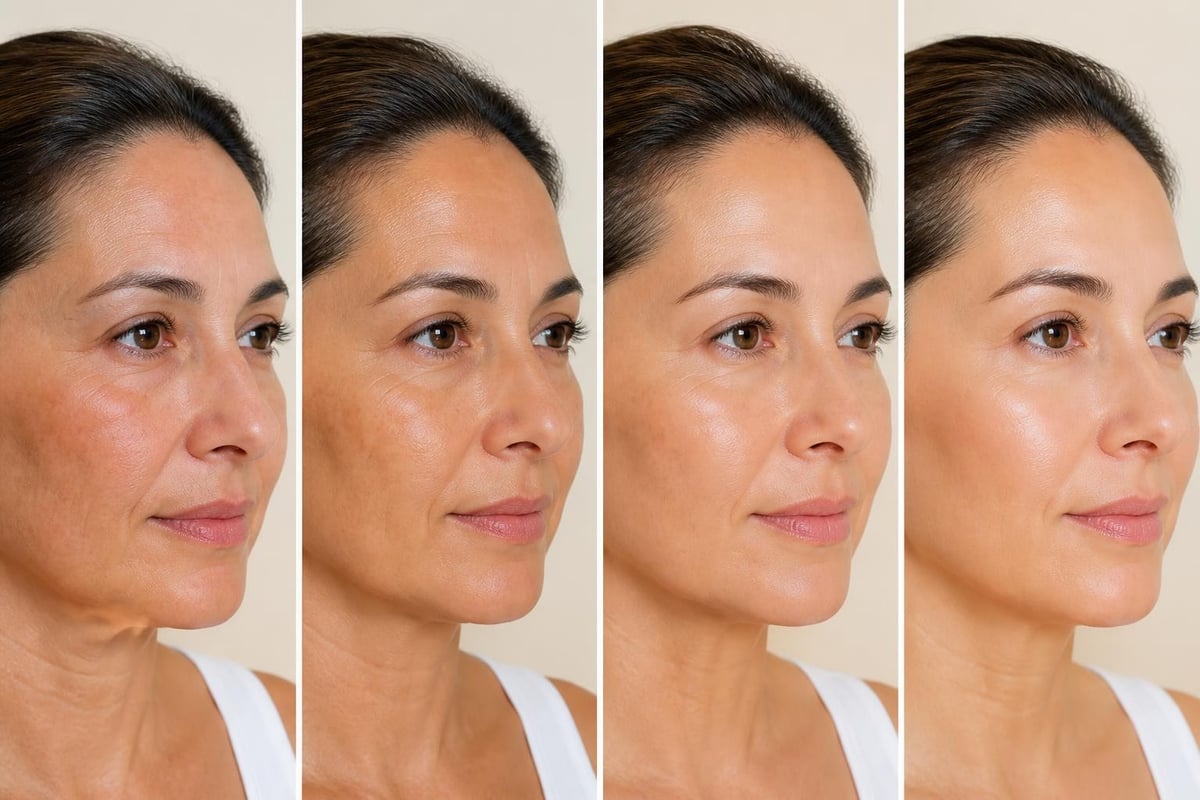
Initial results from laser treatment for skin rejuvenation appear as swelling subsides and new skin emerges. However, the most dramatic improvements occur gradually over three to six months as collagen remodeling continues.
| Timeline | What to Expect |
|---|---|
| Days 1-3 | Peak swelling and redness; protective crusting forms |
| Days 4-7 | Peeling begins; new pink skin emerges beneath |
| Weeks 2-4 | Redness fades; makeup can be applied; texture improves |
| Months 1-3 | Collagen production accelerates; wrinkles soften progressively |
| Months 3-6 | Final results visible; optimal collagen remodeling achieved |
| Beyond 6 months | Results continue improving subtly; maintenance treatments recommended |
Most patients require multiple sessions spaced four to eight weeks apart for optimal outcomes. A comprehensive treatment plan might include three to five sessions, depending on skin condition severity and treatment goals.
Safety Considerations and Risk Management
While laser treatment for skin rejuvenation is generally safe when performed by qualified professionals, understanding potential risks ensures informed decision-making.
Potential Side Effects
Temporary side effects are common and expected. These include redness, swelling, itching, and temporary pigment changes. Most resolve completely within weeks to months without intervention.
More serious complications, though rare, can occur:
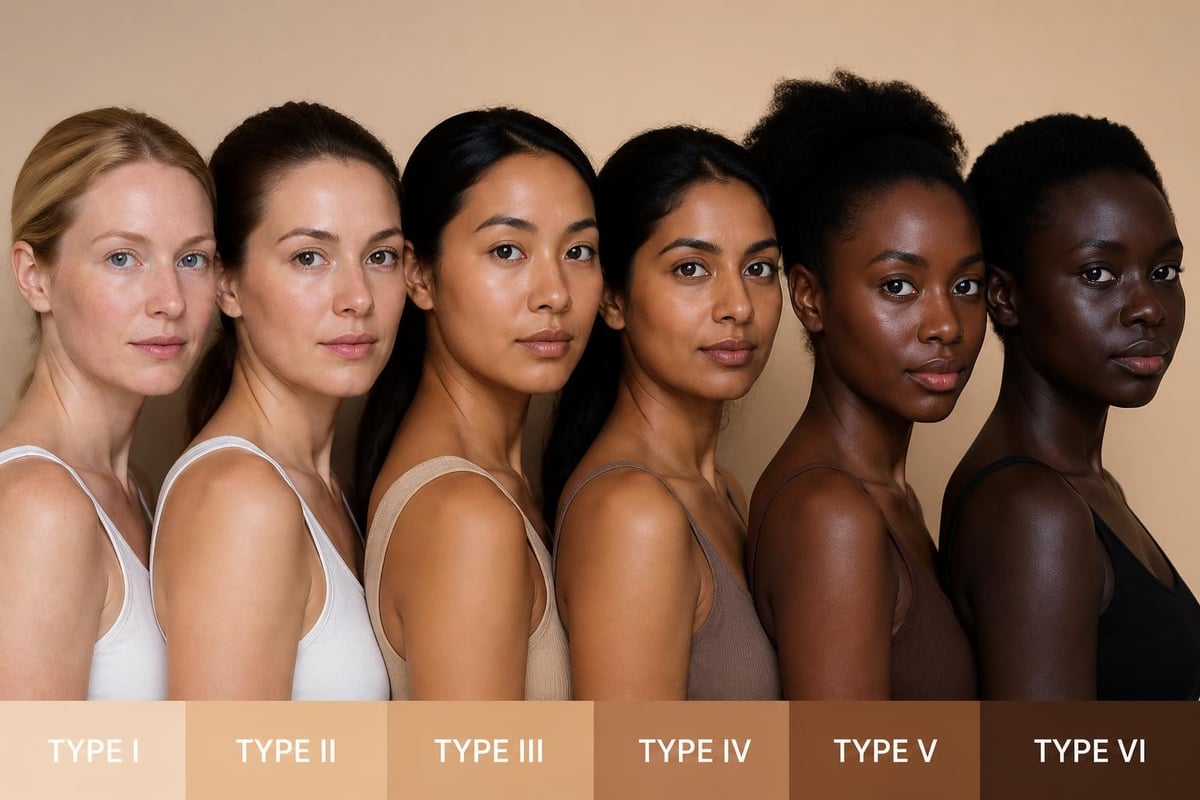
- Post-inflammatory hyperpigmentation particularly in darker skin types
- Infection if proper wound care is not maintained
- Scarring from excessive heat or improper technique
- Prolonged redness lasting several months
- Textural irregularities from uneven treatment
Selecting an experienced provider dramatically reduces these risks. The comprehensive guide to facial laser treatments emphasizes choosing qualified practitioners with appropriate certifications and proven track records.
Contraindications
Certain individuals should avoid or postpone laser treatment for skin rejuvenation. Active skin infections, recent isotretinoin use (within six months), pregnancy, and certain autoimmune conditions may preclude treatment.
A thorough medical history review during consultation identifies potential contraindications before proceeding.
Choosing the Right Laser Technology
The landscape of laser treatment for skin rejuvenation includes numerous technologies, each with distinct advantages for specific concerns.
Popular Laser Systems in 2026
Fractional CO2 lasers remain the gold standard for significant skin resurfacing. These ablative systems create microscopic columns of thermal damage while leaving surrounding tissue intact, promoting faster healing than traditional full-field CO2 lasers.
Erbium:YAG lasers offer gentler ablation with less thermal damage to surrounding tissue. They excel at treating delicate areas like the neck and chest, where prolonged redness is particularly problematic.
Nd:YAG lasers provide excellent versatility, treating both vascular lesions and hair removal while safely penetrating darker skin types. Their longer wavelength bypasses melanin, reducing hyperpigmentation risk.
Picosecond lasers represent cutting-edge technology, delivering ultra-short pulses that shatter pigment particles with minimal heat generation. These advanced systems excel at tattoo removal and stubborn pigmentation.
Technology Selection Factors
Choosing the appropriate laser treatment for skin rejuvenation depends on multiple factors:
- Skin type and tone (Fitzpatrick scale classification)
- Primary concerns being addressed
- Acceptable downtime based on lifestyle
- Budget considerations for single versus multiple sessions
- Previous treatment history and skin response
Recent studies comparing robotic-assisted versus manual laser delivery demonstrate that precision matters significantly for safety and efficacy, particularly with more aggressive treatments.
Cost and Investment Considerations
Understanding the financial commitment of laser treatment for skin rejuvenation helps with planning and expectations.
Pricing Structures
Treatment costs vary widely based on technology, treatment area, provider expertise, and geographic location. In major metropolitan areas like Toronto, expect the following ranges:
| Treatment Type | Price Range (per session) | Typical Sessions Needed |
|---|---|---|
| Full-face fractional non-ablative | $800-$1,500 | 3-5 sessions |
| Full-face fractional ablative | $2,000-$4,000 | 1-2 sessions |
| Spot treatment (pigmentation) | $300-$600 | 2-4 sessions |
| Combination therapy packages | $3,000-$8,000 | Series of 4-6 |
Many clinics offer package pricing that reduces per-session costs when committing to a complete treatment series. Financing options make laser treatment for skin rejuvenation accessible to more patients seeking long-term skin health improvements.
Return on Investment
When evaluating costs, consider the longevity of results. Professional laser treatments deliver improvements lasting several years, particularly when combined with proper skincare and sun protection. This extended benefit often proves more cost-effective than repeated purchases of topical products with limited efficacy.
Maximizing and Maintaining Results
Achieving optimal outcomes from laser treatment for skin rejuvenation extends beyond the procedure itself.
Complementary Skincare
A strategic skincare regimen amplifies and prolongs laser results. Post-treatment, focus on:
- Medical-grade retinoids to maintain cellular turnover
- Antioxidants (vitamins C and E) to protect against free radical damage
- Peptides to support ongoing collagen synthesis
- Growth factors to enhance skin repair mechanisms
- Broad-spectrum SPF to prevent new photodamage
Lifestyle Factors
Daily habits significantly influence how long your results last. Sun exposure remains the primary cause of premature aging and can reverse treatment benefits. Religious sunscreen application, protective clothing, and avoiding peak UV hours are non-negotiable.
Smoking accelerates skin aging by constricting blood vessels and depleting oxygen. Hydration, balanced nutrition, and adequate sleep support skin health from within.
Maintenance Treatments
Most providers recommend maintenance laser treatment for skin rejuvenation sessions annually or semi-annually to preserve results. These touch-up sessions combat ongoing aging processes and environmental damage, keeping skin looking refreshed and youthful.
Combining laser treatments with other modalities creates comprehensive anti-aging strategies. Injectable treatments, chemical peels, and microneedling complement laser therapy, addressing concerns from multiple angles.
Advanced Treatment Protocols
The evolution of laser treatment for skin rejuvenation continues with innovative combination approaches and emerging technologies.
Multi-Modal Strategies
Forward-thinking practitioners combine different laser wavelengths in single sessions to address multiple concerns simultaneously. A typical combination protocol might include:
- Vascular laser to reduce redness and broken capillaries
- Pigment-targeting laser for age spots and sun damage
- Fractional resurfacing laser for texture and fine lines
- LED therapy to reduce inflammation and promote healing
This comprehensive approach delivers superior results compared to single-technology treatments, though it requires advanced expertise and careful energy parameter selection.
Emerging Technologies
The future of laser treatment for skin rejuvenation includes artificial intelligence-guided systems that analyze skin conditions in real-time and adjust treatment parameters accordingly. These smart systems optimize energy delivery for individual skin characteristics, maximizing safety and efficacy.
Customization has become paramount in modern aesthetic medicine. Providers increasingly tailor every aspect of treatment to individual skin biology, lifestyle factors, and aesthetic goals rather than applying one-size-fits-all protocols.
Laser treatment for skin rejuvenation offers transformative results for multiple skin concerns, from fine lines and pigmentation to texture irregularities and overall radiance. With proper provider selection, realistic expectations, and committed aftercare, patients achieve lasting improvements that restore confidence and enhance natural beauty. New Skin Laser Clinic combines cutting-edge laser technology with personalized treatment planning to help Toronto residents achieve their skin goals safely and effectively. Schedule a consultation today to discover how customized laser treatments can reveal your most radiant, youthful skin.