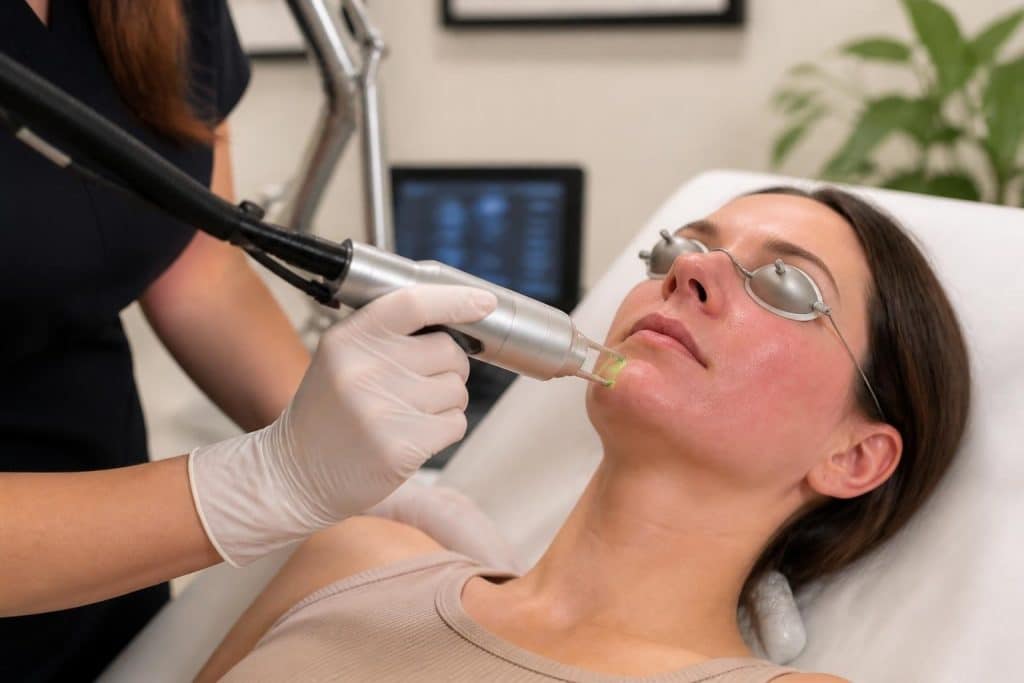
Modern dermatological treatments have evolved dramatically over the past few decades, and among the most transformative technologies is the pulsed dye laser. This specialized laser system has revolutionized how medical professionals approach vascular conditions, pigmentation issues, and various skin concerns that were once difficult to treat effectively. By delivering concentrated light energy at specific wavelengths, this advanced technology targets problem areas with precision while preserving surrounding tissue, making it a cornerstone treatment for patients seeking clearer, more even-toned skin.
Understanding Pulsed Dye Laser Technology
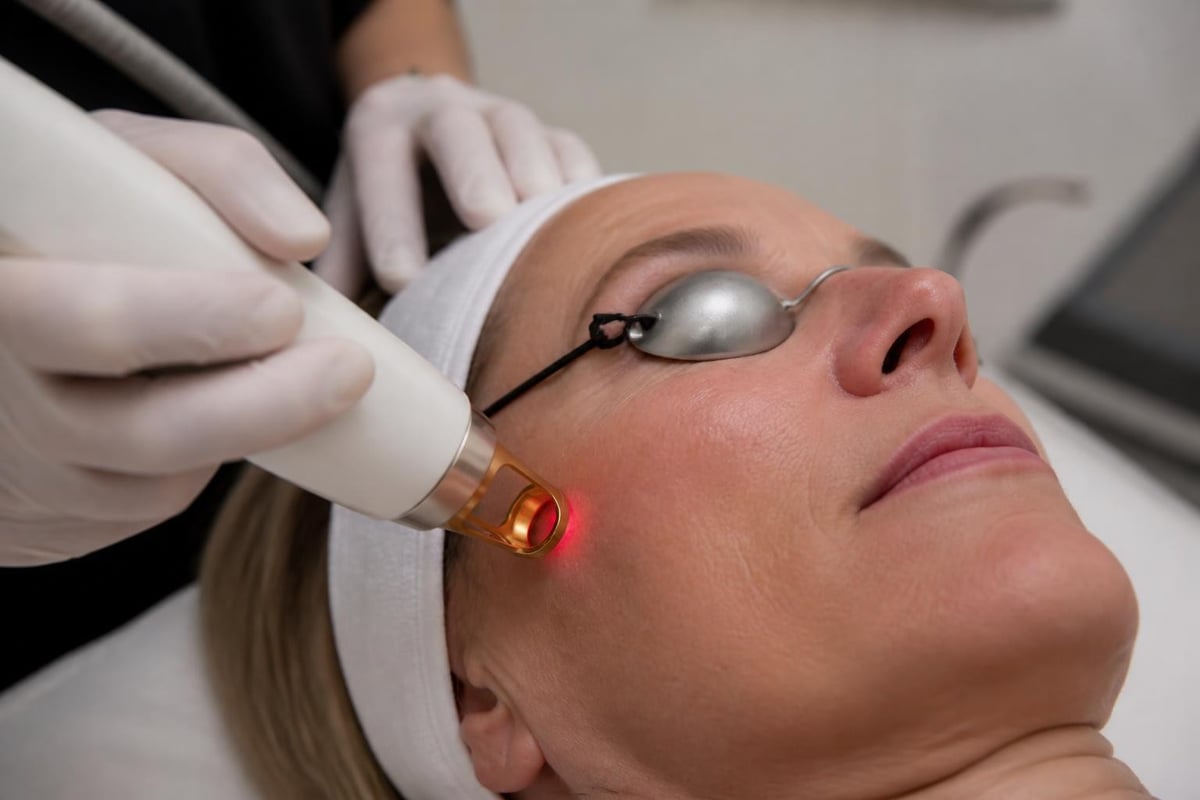
The pulsed dye laser operates on the principle of selective photothermolysis, which means it targets specific chromophores in the skin without damaging adjacent structures. The laser emits yellow light at wavelengths typically ranging from 585 to 595 nanometers, which hemoglobin in blood vessels readily absorbs.
When hemoglobin absorbs this light energy, it converts to heat, causing the targeted blood vessel to coagulate and eventually be reabsorbed by the body. This selective targeting makes the technology exceptionally effective for treating vascular lesions and red skin conditions.
How the Technology Works
The "pulsed" aspect refers to the laser's delivery method, which releases energy in short bursts rather than a continuous beam. This pulsing mechanism allows the surrounding tissue to cool between pulses, significantly reducing the risk of thermal damage and improving patient comfort.
Key technical features include:
- Pulse duration typically ranging from 0.45 to 40 milliseconds
- Dynamic cooling systems that protect the epidermis
- Adjustable spot sizes from 3 to 15 millimeters
- Energy fluence levels customizable for different skin types
- Wavelength specificity optimized for hemoglobin absorption
Primary Treatment Applications
The versatility of pulsed dye laser technology extends across numerous dermatological conditions, making it one of the most requested procedures in aesthetic medicine. Clinical applications continue to expand as research demonstrates its effectiveness for both medical and cosmetic concerns.
Vascular Lesions and Conditions
Port-wine stains represent one of the most well-established uses for this laser technology. These congenital vascular malformations appear as flat, pink to dark red birthmarks that can darken over time without treatment. Studies have shown that pulsed dye laser treatment of vascular conditions can achieve significant lightening, particularly when treatment begins early in life.
Additional vascular conditions treated include:
- Spider veins on the face and legs
- Cherry angiomas and hemangiomas
- Telangiectasias (broken capillaries)
- Venous lakes on lips and ears
- Poikiloderma of Civatte on the neck
Rosacea Management
Rosacea affects millions of individuals worldwide, causing persistent facial redness, visible blood vessels, and inflammatory papules. The pulsed dye laser addresses both the vascular component and inflammatory aspects of this chronic condition, providing relief when topical treatments prove insufficient.
Treatment typically requires multiple sessions spaced 4-6 weeks apart, with many patients experiencing substantial reduction in redness and flushing episodes. The efficacy of pulsed dye laser for rosacea has been well-documented, showing improvements that persist for extended periods.
Scar Revision and Improvement
Beyond vascular conditions, this technology demonstrates remarkable effectiveness in improving the appearance of various scar types. Hypertrophic scars, keloids, and surgical scars often show significant improvement in texture, color, and overall appearance following treatment.
The laser addresses the excess vascularity commonly present in newer scars while also triggering collagen remodeling. This dual action helps flatten raised scars and normalize their pigmentation, blending them more seamlessly with surrounding skin.
| Scar Type | Expected Improvement | Typical Sessions Required |
|---|---|---|
| Hypertrophic Scars | 50-70% reduction | 4-6 treatments |
| Keloids | 40-60% reduction | 6-8 treatments |
| Surgical Scars | 60-80% improvement | 3-5 treatments |
| Acne Scars (vascular) | 50-65% improvement | 4-6 treatments |
Treatment Process and Patient Experience
Understanding what to expect during and after treatment helps patients prepare appropriately and optimize their results. The procedure itself is relatively straightforward, though individual experiences vary based on the treatment area and condition being addressed.
Pre-Treatment Preparation
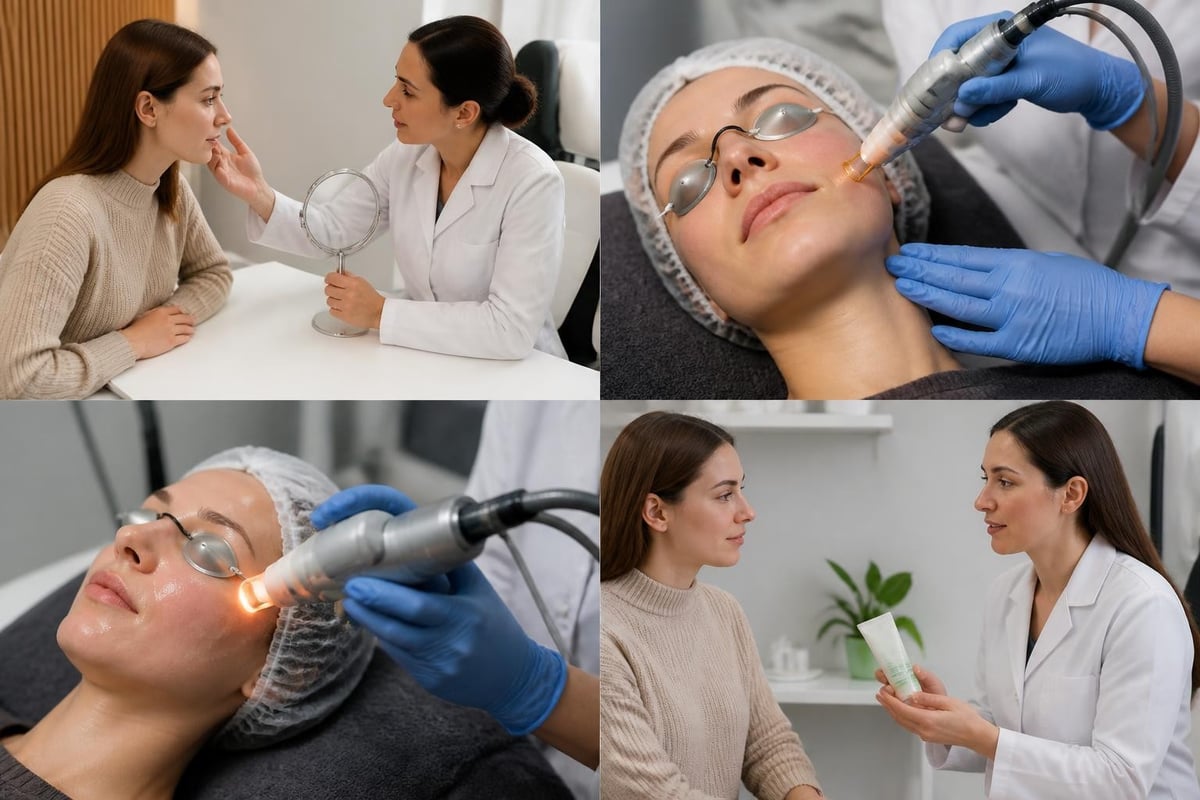
Before undergoing pulsed dye laser treatment, patients receive a comprehensive consultation to assess their skin type, medical history, and treatment goals. Certain medications and supplements that increase photosensitivity or bleeding risk should be discontinued prior to treatment.
Pre-treatment guidelines typically include:
- Avoiding sun exposure for 4-6 weeks before treatment
- Discontinuing retinoids 1 week prior
- Arriving with clean, makeup-free skin
- Avoiding blood-thinning medications as directed
- Staying well-hydrated in the days before treatment
During the Procedure
Most treatment sessions last between 15 and 45 minutes, depending on the size and number of areas being treated. Patients often describe the sensation as similar to a rubber band snapping against the skin, though integrated cooling systems significantly minimize discomfort.
The provider systematically treats the targeted area with overlapping pulses, ensuring complete coverage while avoiding excessive overlapping that could increase side effects. Many advanced systems incorporate dynamic cooling devices that spray cryogen immediately before each pulse, protecting the epidermis and enhancing comfort.
Post-Treatment Recovery
Immediately following treatment, the treated area may appear darker purple or red, particularly when addressing vascular lesions. This purpura represents the desired therapeutic effect as blood vessels are coagulated and broken down by the body's natural processes.
Common post-treatment experiences:
- Mild swelling for 2-3 days
- Purpura lasting 7-14 days
- Temporary darkening of pigmented lesions
- Slight crusting in some treatment areas
- Gradual fading over subsequent weeks
Advanced Applications in Skin Rejuvenation
Recent research has expanded the applications of pulsed dye laser technology beyond its traditional vascular uses. Medical professionals now utilize this versatile tool for comprehensive skin rejuvenation, addressing multiple signs of aging simultaneously.
Photoaging and Sun Damage
The effectiveness of pulsed dye laser therapy for sun-damaged skin has demonstrated promising results in reducing fine lines, improving skin texture, and minimizing the appearance of sun-induced wrinkles. The laser stimulates neocollagenesis while targeting the vascular components of photodamaged skin.
This dual-action approach addresses both the structural deterioration and vascular changes associated with chronic sun exposure, resulting in noticeable improvements in overall skin quality and appearance.
Wrinkle Reduction
Studies examining the nonablative treatment of facial rhytides with pulsed dye lasers have shown significant improvements in periorbital and perioral fine lines. Unlike ablative lasers that remove the skin's surface, this approach stimulates collagen production while keeping the epidermis intact, resulting in minimal downtime.
The treatment works particularly well for early-stage wrinkles and when combined with other rejuvenation modalities as part of a comprehensive anti-aging program.
Combination Therapy Approaches
Modern aesthetic medicine increasingly embraces combination treatments that leverage the strengths of multiple technologies. The pulsed dye laser integrates seamlessly with other procedures, enhancing overall outcomes.
| Primary Treatment | Complementary Therapy | Combined Benefits |
|---|---|---|
| Pulsed Dye Laser | Chemical Peels | Enhanced texture + vascular improvement |
| Pulsed Dye Laser | Microneedling | Collagen stimulation + redness reduction |
| Pulsed Dye Laser | IPL Therapy | Comprehensive pigment + vascular treatment |
| Pulsed Dye Laser | PRP Treatments | Accelerated healing + rejuvenation |
For patients interested in comprehensive rejuvenation strategies, combining vascular treatments with regenerative options like PRP hair restoration in Toronto can address multiple aesthetic concerns simultaneously.
Safety Profile and Considerations
The safety record of pulsed dye laser treatments remains exceptionally strong when performed by properly trained professionals using appropriate parameters for each patient's skin type and condition. Understanding potential risks and how to minimize them ensures optimal outcomes.
Skin Type Considerations
Fitzpatrick skin types I-III typically respond most favorably to treatment with minimal risk of post-inflammatory hyperpigmentation. Patients with darker skin types (IV-VI) require modified treatment parameters, including lower fluences and longer wavelengths, to minimize the risk of pigmentary changes.
Treatment modifications for diverse skin types:
- Lower energy settings for darker skin
- Test spots to assess response
- Extended intervals between treatments
- Enhanced sun protection protocols
- Careful monitoring for pigmentary changes
Contraindications and Precautions
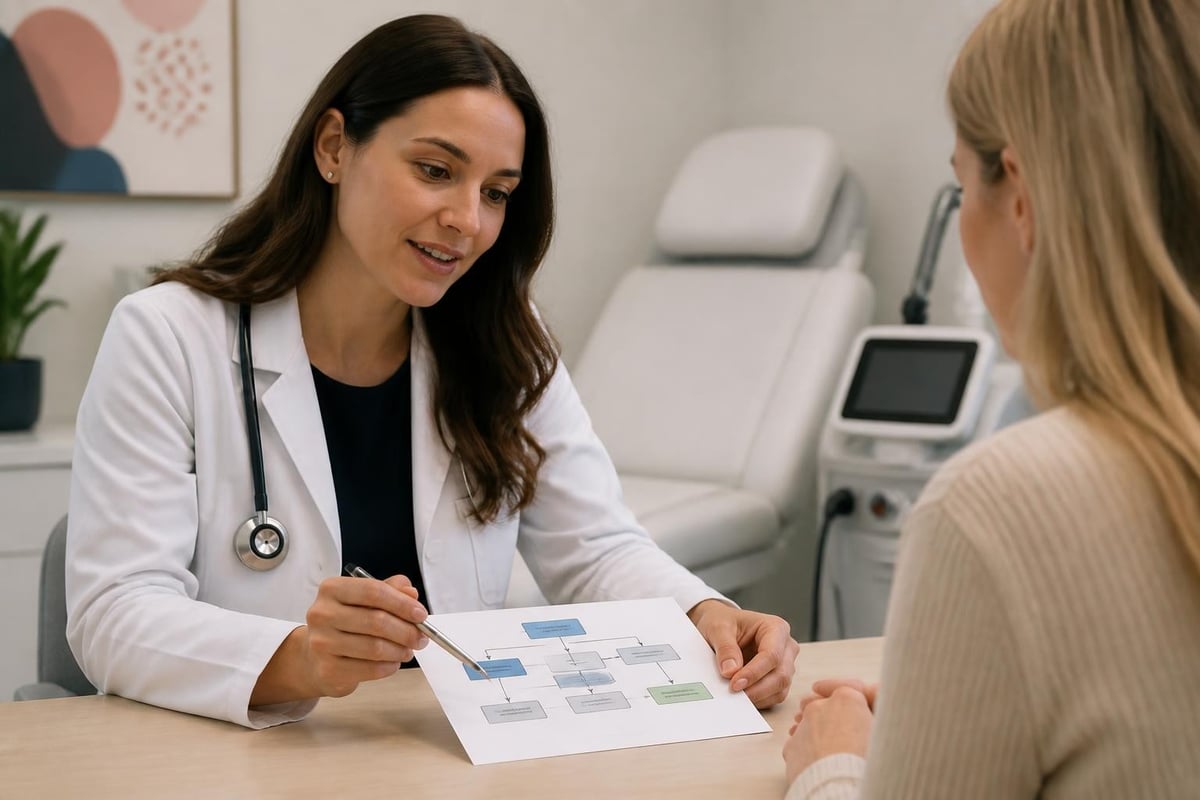
Certain conditions preclude treatment or require special consideration. Active skin infections, recent isotretinoin use, bleeding disorders, and pregnancy represent absolute or relative contraindications that providers carefully evaluate during consultation.
Patients taking photosensitizing medications or with a history of keloid formation require additional precautions and potentially modified treatment approaches to ensure safe, effective outcomes.
Side Effect Management
While most side effects resolve spontaneously within days to weeks, understanding how to manage them improves the patient experience and treatment satisfaction. Purpura, the most common side effect, typically resolves within 10-14 days but can be camouflaged with mineral makeup if desired.
Temporary hyperpigmentation occasionally occurs, particularly in darker skin types, but usually fades within 3-6 months with proper sun protection and sometimes topical lightening agents. Proper aftercare significantly reduces the risk and severity of adverse effects.
Cost Factors and Treatment Planning
Investment in pulsed dye laser treatments varies considerably based on multiple factors, including the condition being treated, the size of the treatment area, geographic location, and the number of sessions required for optimal results. Understanding these variables helps patients plan appropriately.
Pricing Considerations
Individual treatment sessions typically range from $300 to $800, though larger treatment areas or multiple areas addressed in a single session may cost more. Package pricing for multiple sessions often provides better value for patients requiring extensive treatment courses.
Factors influencing treatment cost:
- Size and number of treatment areas
- Severity of the condition being addressed
- Provider expertise and credentials
- Geographic location and market factors
- Technology generation and capabilities
Insurance Coverage
While cosmetic applications rarely receive insurance coverage, medically necessary treatments for certain conditions may qualify for reimbursement. Port-wine stains, some types of hemangiomas, and occasionally severe rosacea may meet medical necessity criteria for pulsed dye laser treatment coverage.
Patients should verify their specific policy details and obtain pre-authorization when pursuing insurance reimbursement for medically indicated treatments.
Treatment Timeline Expectations
Most conditions require multiple treatment sessions spaced 4-8 weeks apart for optimal results. Vascular lesions typically show gradual fading over several months as the body reabsorbs treated vessels, with continued improvement between sessions.
Planning treatment schedules around social events requires consideration of downtime, particularly the purpura phase that can last up to two weeks. Many patients schedule treatments during less socially active periods or when they can work remotely to minimize any self-consciousness about temporary bruising.
Selecting the Right Provider
The expertise of the treating professional significantly impacts both safety and results when undergoing pulsed dye laser treatments. Proper training, experience, and access to well-maintained equipment distinguish exceptional providers from those offering suboptimal outcomes.
Essential Provider Qualifications
Board-certified dermatologists, plastic surgeons, and experienced licensed medical aestheticians with proper oversight represent the most qualified professionals to perform these treatments. Extensive training in laser physics, skin biology, and treatment parameters ensures safe, effective care.
Key qualifications to verify:
- Medical credentials and board certification
- Specific laser training and certifications
- Years of experience with the technology
- Before-and-after photo portfolio
- Patient testimonials and reviews
Technology and Equipment Standards
The generation and maintenance status of laser equipment significantly influence treatment outcomes. Newer systems offer improved precision, better cooling mechanisms, and enhanced customization options that optimize results while minimizing side effects.
Providers who invest in the latest technology and maintain rigorous equipment calibration and maintenance schedules demonstrate commitment to delivering superior patient care and outcomes.
Pulsed dye laser technology continues to evolve, offering increasingly sophisticated solutions for vascular conditions, skin rejuvenation, and aesthetic enhancement with proven safety and efficacy. Whether addressing rosacea, port-wine stains, sun damage, or wrinkles, this versatile treatment delivers meaningful improvements when performed by skilled professionals. The expert team at New Skin Laser Clinic utilizes state-of-the-art pulsed dye laser technology to help Toronto patients achieve clearer, more radiant skin through personalized treatment plans designed to meet individual aesthetic goals. Schedule your consultation today to discover how advanced laser treatments can transform your skin's appearance and boost your confidence.