
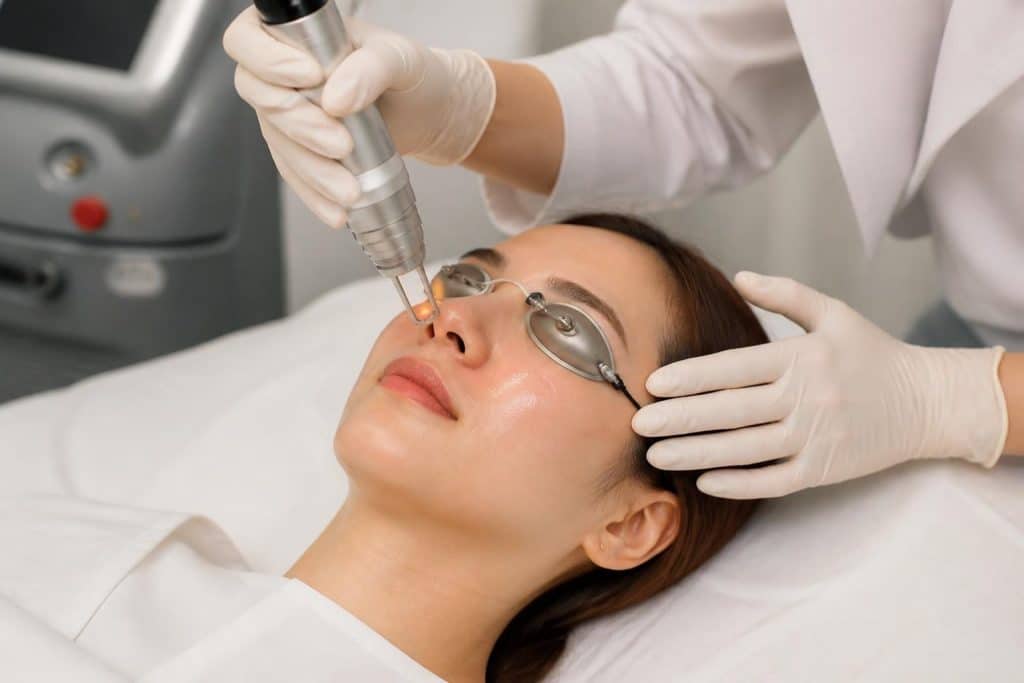
The pursuit of radiant, even-toned skin has driven significant innovation in aesthetic treatments over the past decade. Among the most transformative developments is pico whitening, a cutting-edge procedure that harnesses picosecond laser technology to address various pigmentation concerns. This advanced treatment delivers ultra-short pulses of energy to targeted areas, breaking down melanin deposits with remarkable precision while minimizing damage to surrounding tissue. For individuals dealing with melasma, age spots, sun damage, or uneven skin tone, this revolutionary approach offers a safer, more effective alternative to traditional methods.
Understanding Picosecond Laser Technology
Pico whitening operates on a fundamentally different principle than conventional laser treatments. Traditional lasers measure their pulse duration in nanoseconds (billionths of a second), while picosecond lasers work at trillionths of a second. This dramatic reduction in pulse duration creates a photoacoustic effect rather than a photothermal one.
The shorter pulse width means the laser energy shatters pigment particles into smaller fragments without generating excessive heat. This mechanical disruption allows the body's natural processes to eliminate the pigmentation more efficiently. The reduced thermal impact translates to less downtime, decreased risk of post-inflammatory hyperpigmentation, and improved comfort during treatment.
How Energy Delivery Transforms Pigmentation
When the picosecond laser targets melanin, it creates a pressure wave that fractures the pigment into dust-like particles. These microscopic fragments are significantly smaller than those produced by nanosecond lasers, making them easier for the lymphatic system to clear. Clinical trials investigating picosecond laser effectiveness have demonstrated this technology's superior capability in treating benign pigmented lesions.
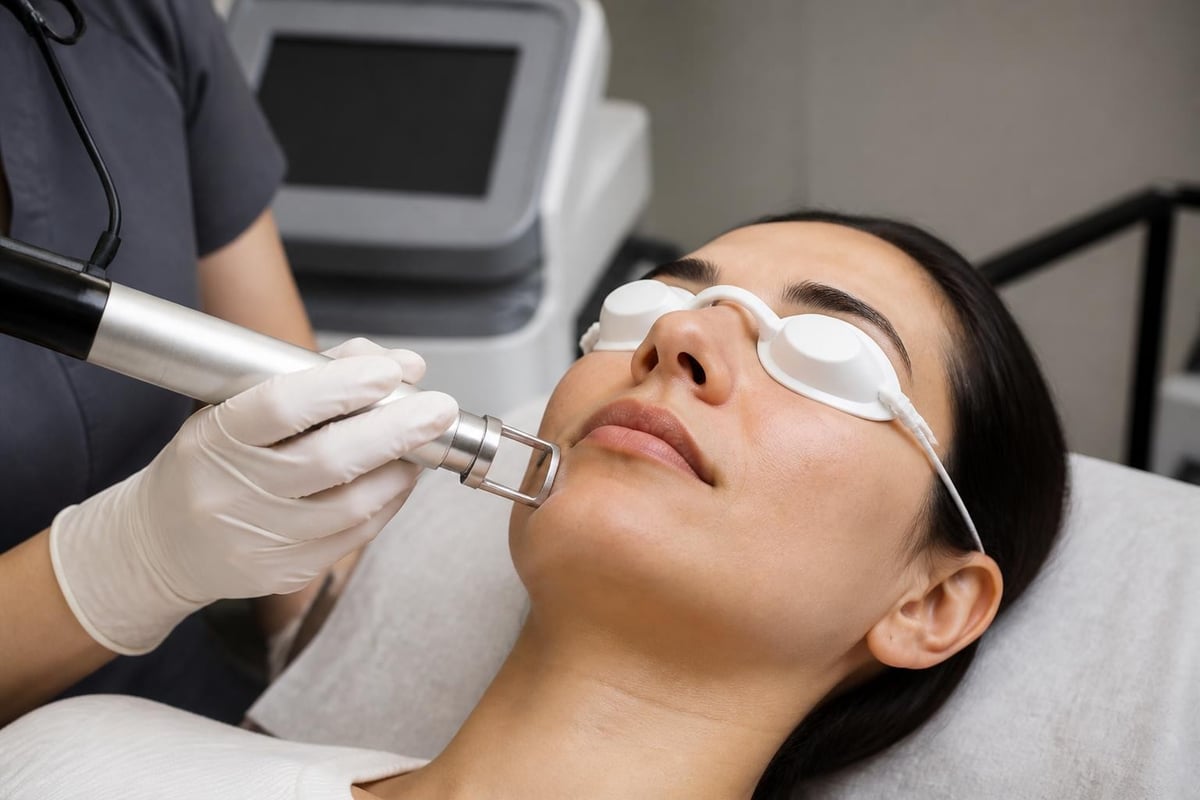
The precision of pico whitening allows practitioners to customize treatments based on specific pigmentation types. Different wavelengths target various chromophores in the skin:
- 755 nm wavelength: Optimal for superficial pigmentation and brown spots
- 532 nm wavelength: Effective for red and orange pigments
- 1064 nm wavelength: Penetrates deeper for melasma and dermal pigmentation
This versatility makes the treatment suitable for diverse skin types and conditions that previously required multiple different procedures.
Primary Benefits of Pico Whitening Treatments
The advantages of this advanced technology extend beyond simple pigment removal. Patients choosing pico whitening can expect comprehensive skin improvements that address both surface concerns and underlying tissue quality.
Enhanced Safety Profile Across Skin Types
Traditional whitening treatments often posed significant risks for individuals with darker skin tones. The heat generated by older laser systems could trigger melanocyte activation, paradoxically worsening pigmentation. Research on 1064 nm picosecond lasers for melasma treatment has shown remarkable efficacy in Asian patients, demonstrating the technology's safety across diverse complexions.
The reduced thermal damage means lower risk of:
- Post-inflammatory hyperpigmentation
- Scarring or textural changes
- Prolonged redness or swelling
- Permanent skin discoloration
Minimal Downtime and Recovery
One of the most compelling aspects of pico whitening is the abbreviated recovery period. Most patients experience only mild redness for several hours following treatment, similar to a light sunburn. This minimal downtime allows individuals to return to normal activities almost immediately.
| Recovery Aspect | Pico Whitening | Traditional Laser |
|---|---|---|
| Redness Duration | 2-6 hours | 3-7 days |
| Swelling | Minimal to none | Moderate |
| Peeling | Light or none | Significant |
| Return to Makeup | Same day | 3-5 days |
| Return to Work | Immediate | 2-4 days |
The treatment's gentle nature doesn't compromise effectiveness. Patients achieve significant brightening results without the extended social downtime that often accompanies more aggressive procedures.
Conditions Addressed Through Pico Whitening
This versatile treatment targets a comprehensive range of pigmentation concerns, making it an excellent choice for individuals seeking overall skin tone improvement.
Melasma and Hormonal Pigmentation
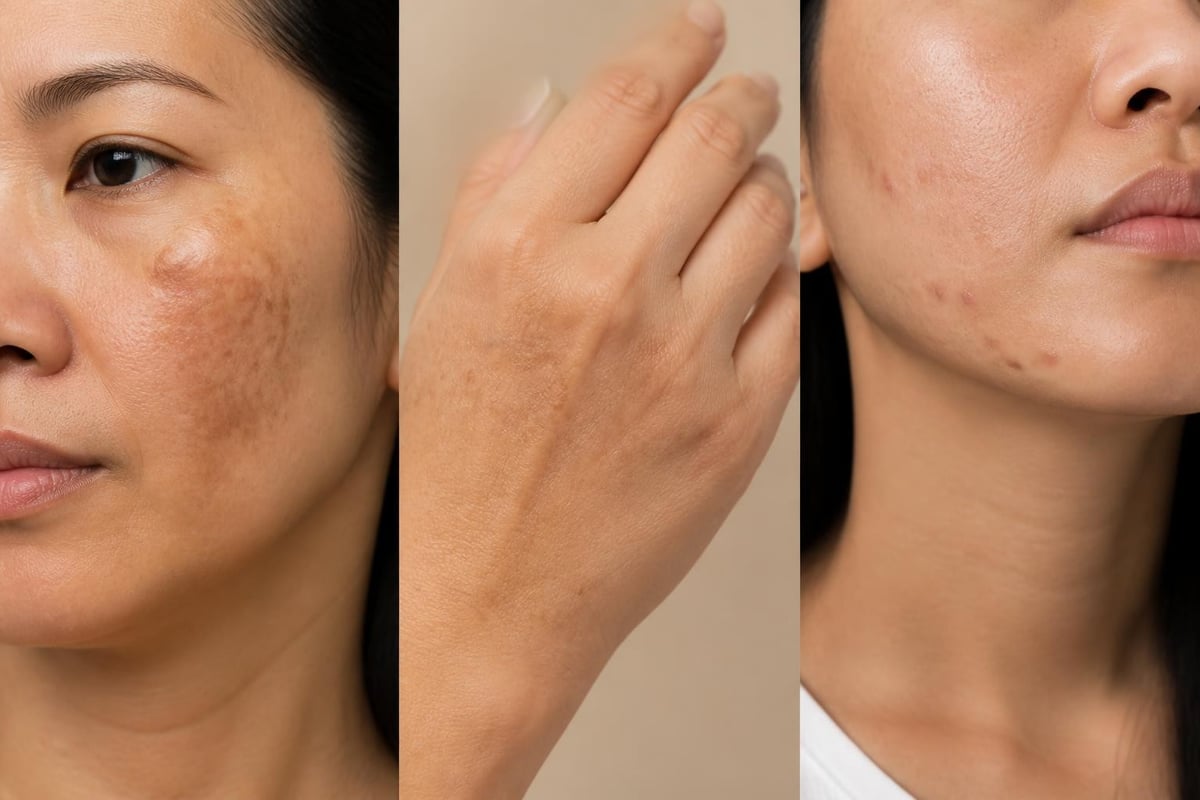
Melasma presents as brown or gray-brown patches, typically on the face, triggered by hormonal fluctuations, sun exposure, or genetic predisposition. A randomized clinical trial comparing picosecond lasers with hydroquinone cream revealed that the laser treatment delivered comparable or superior results without the potential side effects of topical medications.
The treatment works particularly well when combined with appropriate skincare regimens. Some clinics incorporate complementary approaches to maximize outcomes and prevent recurrence.
Sun Damage and Age Spots
Years of UV exposure create scattered brown spots and overall uneven pigmentation. Pico whitening systematically clears these lesions while simultaneously stimulating collagen production. The dual action means patients enjoy both immediate brightening and gradual skin quality improvements over subsequent months.
Post-Inflammatory Hyperpigmentation
Dark marks left behind after acne, injuries, or other skin trauma respond exceptionally well to picosecond technology. The targeted approach clears discoloration without aggravating the surrounding skin, preventing the cycle of inflammation that often perpetuates these marks.
Studies comparing 755-nm picosecond lasers with other technologies have demonstrated superior clearance of facial photopigmentation, establishing this wavelength as particularly effective for comprehensive brightening.
The Treatment Process and What to Expect
Understanding the pico whitening procedure helps patients prepare adequately and set realistic expectations for their aesthetic journey.
Initial Consultation and Assessment
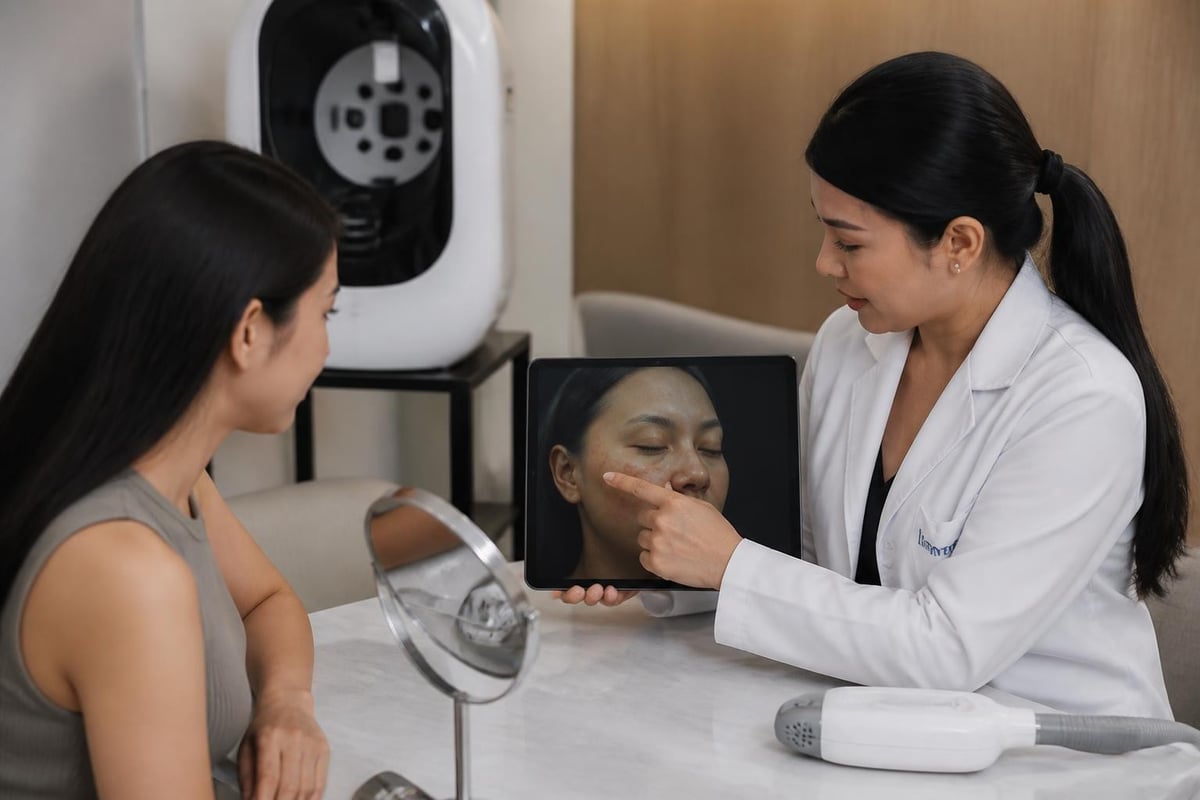
The process begins with a comprehensive skin analysis. Practitioners evaluate pigmentation depth, skin type, medical history, and aesthetic goals to develop a customized treatment plan. This assessment determines optimal wavelength selection, energy settings, and the anticipated number of sessions.
During consultation, practitioners should discuss:
- Current skincare routine and products
- Sun exposure habits and protection practices
- Previous cosmetic treatments and results
- Medical conditions or medications affecting skin
- Realistic timeline for achieving desired outcomes
Treatment Session Experience
On treatment day, the skin is cleansed thoroughly to remove makeup, oils, and debris. A topical numbing cream may be applied for comfort, though many patients find pico whitening tolerable without anesthesia due to its gentle nature.
The practitioner uses a specialized handpiece to deliver rapid laser pulses across targeted areas. Sessions typically last 15-30 minutes depending on treatment size. Patients often describe the sensation as tiny rubber band snaps against the skin, significantly less intense than traditional laser treatments.
Immediately following treatment, a soothing serum and broad-spectrum sunscreen are applied. Practitioners provide detailed aftercare instructions to optimize healing and results.
Post-Treatment Care Protocols
Proper aftercare significantly influences treatment outcomes. The skin requires gentle support as it processes the fragmented pigment and initiates its natural rejuvenation response.
Essential aftercare practices include:
- Avoiding direct sun exposure for at least two weeks
- Applying SPF 50+ sunscreen multiple times daily
- Using gentle, non-irritating cleansers
- Avoiding exfoliating products or treatments for one week
- Keeping skin hydrated with appropriate moisturizers
- Refraining from picking at any mild peeling or flaking
The body requires time to eliminate broken-down pigment through the lymphatic system. Visible improvements typically emerge within 7-10 days, with continued enhancement over several weeks as cellular turnover progresses.
Treatment Protocols and Session Requirements
The number of sessions needed varies based on individual factors. Understanding typical treatment protocols helps patients plan appropriately for their whitening journey.
Customized Session Planning
Most individuals require 3-6 sessions spaced 4-6 weeks apart to achieve optimal results. Deeper pigmentation or more extensive coverage may necessitate additional treatments. For those exploring comprehensive skin renewal, combining pico whitening with laser skin resurfacing treatments can deliver transformative results.
| Condition Type | Typical Sessions | Spacing | Maintenance |
|---|---|---|---|
| Light Sun Spots | 2-3 sessions | 4 weeks | Annually |
| Moderate Melasma | 4-6 sessions | 4-6 weeks | Every 6 months |
| Deep Pigmentation | 6-8 sessions | 6 weeks | Every 4 months |
| Overall Brightening | 3-4 sessions | 4 weeks | As desired |
Progressive improvement occurs with each session as cumulative effects build. Practitioners adjust settings based on skin response, ensuring optimal results while maintaining safety.
Combining Therapies for Enhanced Results
Research on combined picosecond laser and azelaic acid therapy has demonstrated that integrating complementary treatments can accelerate results and improve long-term maintenance. This synergistic approach addresses pigmentation through multiple mechanisms simultaneously.
Popular combination strategies include:
- Medical-grade skincare with brightening ingredients
- Chemical peels between laser sessions
- Prescription topicals to prevent recurrence
- Regular professional facials for maintenance
These integrated protocols deliver comprehensive skin transformation beyond what single-modality treatments achieve.
Ideal Candidates and Considerations
While pico whitening suits most individuals seeking brighter, more even-toned skin, certain factors influence candidacy and expected outcomes.
Who Benefits Most from Treatment
The ideal candidate presents with visible pigmentation concerns affecting facial appearance or other areas. This includes individuals who have tried topical treatments without satisfactory results or those seeking faster, more dramatic improvement than creams can provide.
Particularly well-suited candidates include:
- People with sun damage from years of UV exposure
- Those experiencing melasma or hormonal pigmentation
- Individuals with post-acne marks or scarring
- Anyone seeking overall skin brightening and rejuvenation
- Patients preferring minimal downtime treatments
The technology's safety profile makes it appropriate for all skin types, including those with darker complexions who might not qualify for traditional laser treatments.
Contraindications and Precautions
Despite its versatility, certain circumstances may require treatment modification or postponement. Pregnant or nursing individuals should wait until after this period, as hormonal fluctuations can affect pigmentation and treatment response.
Active skin infections, open wounds, or severe inflammation in treatment areas necessitate postponement until complete healing occurs. Individuals with photosensitivity disorders or those taking photosensitizing medications require careful evaluation before proceeding.
Recent sun exposure or tanning requires treatment delay. Tanned skin contains elevated melanin levels that compete with target pigmentation, potentially compromising results and increasing complication risk.
Long-Term Results and Maintenance
Understanding realistic outcomes and maintenance requirements helps patients maximize their investment in pico whitening treatments.
Expected Improvement Timeline
Initial brightening typically becomes noticeable within one to two weeks after the first session. The skin continues improving over the following months as collagen remodeling occurs and cellular turnover normalizes.
Most patients achieve their target results after completing their prescribed series. However, the skin requires ongoing protection to preserve these improvements. According to insights from Marie Claire’s exploration of pico laser benefits, maintaining results depends significantly on sun protection and appropriate skincare practices.
Preservation Strategies
Preventing pigmentation recurrence requires commitment to protective measures. Daily broad-spectrum sunscreen application represents the single most critical maintenance factor. UV exposure triggers melanocyte activity, potentially recreating the pigmentation concerns originally addressed.
Quality skincare incorporating antioxidants, vitamin C, and gentle exfoliants supports cellular health and maintains the brightened complexion achieved through treatment. Regular professional maintenance sessions every 6-12 months help sustain results, addressing new pigmentation before it becomes pronounced.
Professional Treatment at Specialized Clinics
The expertise of trained practitioners significantly influences pico whitening outcomes. Advanced technology requires skilled application to deliver optimal results safely.
Importance of Experienced Providers
Selecting a reputable clinic with experienced estheticians ensures proper treatment customization, appropriate energy settings, and comprehensive aftercare guidance. Practitioners must understand skin physiology, laser physics, and how various factors influence treatment response.
Professional facilities invest in the latest technology iterations, ensuring patients receive treatment from well-maintained, calibrated equipment. This commitment to quality directly correlates with safety and effectiveness.
What to Look for in a Treatment Facility
When researching pico whitening providers, evaluate several key factors. The clinic should demonstrate extensive experience with laser treatments across diverse skin types. Requesting before-and-after photos of previous patients with similar concerns provides valuable insight into the practitioner's capabilities.
Comprehensive consultation processes indicate a commitment to personalized care rather than one-size-fits-all approaches. Practitioners should thoroughly explain the procedure, address concerns, and set realistic expectations based on individual circumstances.
Modern, clean facilities with proper safety protocols demonstrate professional standards. Staff should readily answer questions about their training, certification, and experience with picosecond technology specifically.
Cost Considerations and Value Assessment
Understanding the investment required for pico whitening helps patients make informed decisions about their aesthetic goals.
Pricing Factors and Session Costs
Treatment costs vary based on geographic location, clinic reputation, treatment area size, and session number required. Individual sessions typically range from $300 to $800, with full treatment series representing a more significant investment.
While pico whitening may appear more expensive than topical treatments initially, the dramatic results and time efficiency often provide superior value. Months or years of prescription creams accumulate costs without delivering comparable improvement.
Comparing Investment to Alternative Approaches
When evaluating cost, consider the comprehensive benefits beyond simple pigment removal. The collagen stimulation, texture improvement, and overall rejuvenation create multidimensional value that single-purpose treatments cannot match.
Chemical peels require ongoing sessions to maintain results, potentially exceeding laser treatment costs over extended periods. Topical treatments demand consistent application for months with variable results, while pico whitening delivers visible improvement in weeks with results lasting considerably longer.
Scientific Evidence Supporting Effectiveness
The growing body of research validating picosecond laser technology provides confidence in treatment efficacy and safety.
Clinical Research and Study Findings
Numerous peer-reviewed studies have documented the superior performance of pico whitening compared to traditional approaches. Research consistently demonstrates high patient satisfaction, significant pigment clearance, and minimal adverse events across diverse populations.
The technology continues evolving as manufacturers refine wavelengths, pulse durations, and delivery systems. Ongoing clinical investigation explores optimal protocols for specific conditions, combination therapy approaches, and long-term outcome tracking.
Evidence-Based Treatment Protocols
Reputable clinics base their treatment approaches on published research and established best practices. This evidence-based methodology ensures patients receive protocols proven effective through rigorous scientific evaluation rather than experimental or unvalidated techniques.
Practitioners committed to continuing education stay current with emerging research, incorporating new findings into their practice to optimize patient outcomes consistently.
Integration with Comprehensive Skin Care
Pico whitening delivers exceptional results, but optimal skin health requires a holistic approach addressing multiple factors contributing to complexion quality.
Complementary Professional Treatments
Many patients combine pico whitening with other professional services to address diverse aesthetic concerns simultaneously. Laser hair removal, professional facials, and skin tightening treatments work synergistically with whitening protocols to create comprehensive transformation.
This integrated approach allows patients to address multiple concerns efficiently, often with overlapping downtime and complementary results that enhance overall appearance beyond what individual treatments achieve.
At-Home Care Integration
The foundation of lasting results lies in daily skincare practices. Medical-grade products containing ingredients like vitamin C, niacinamide, and alpha hydroxy acids support the brightening achieved through professional treatments while preventing new pigmentation formation.
Consistent sun protection cannot be overstated. Daily SPF application, protective clothing, and sun avoidance during peak hours preserve treatment results and prevent the UV damage that drives pigmentation concerns.
Regular professional guidance ensures home care products complement rather than counteract professional treatments. Practitioners can recommend specific formulations based on individual skin type, concerns, and treatment protocols.
Addressing Common Concerns and Questions
Prospective patients often have similar questions when considering pico whitening. Addressing these concerns provides clarity and confidence in treatment decisions.
Pain and Comfort Levels
Most patients describe pico whitening as significantly more comfortable than traditional laser treatments. The brief pulse duration minimizes heat sensation, creating a tolerable experience without anesthesia for most individuals. Those with lower pain thresholds can request topical numbing cream for additional comfort.
Safety and Side Effects
The gentle nature of picosecond technology minimizes complication risks. Temporary redness, mild swelling, and slight darkening of pigmented areas before they clear represent normal responses. Serious adverse events remain extremely rare when treatments are performed by qualified practitioners using appropriate protocols.
Results Permanence
While pico whitening effectively removes existing pigmentation, it cannot prevent future damage. New sun exposure, hormonal changes, or aging processes may create additional pigmentation over time. However, treated areas typically remain clearer than they would without intervention, and maintenance sessions easily address new concerns before they become pronounced.
Pico whitening represents a significant advancement in aesthetic technology, offering safe, effective treatment for various pigmentation concerns with minimal downtime and impressive results. The precision of picosecond laser technology enables practitioners to address stubborn discoloration that resists topical treatments while simultaneously improving overall skin quality. For individuals seeking brighter, more even-toned skin with proven results, this innovative approach delivers transformative outcomes backed by extensive clinical research. New Skin Laser Clinic combines advanced picosecond technology with expert care, providing personalized treatments designed to reveal your most radiant complexion in the heart of Toronto.