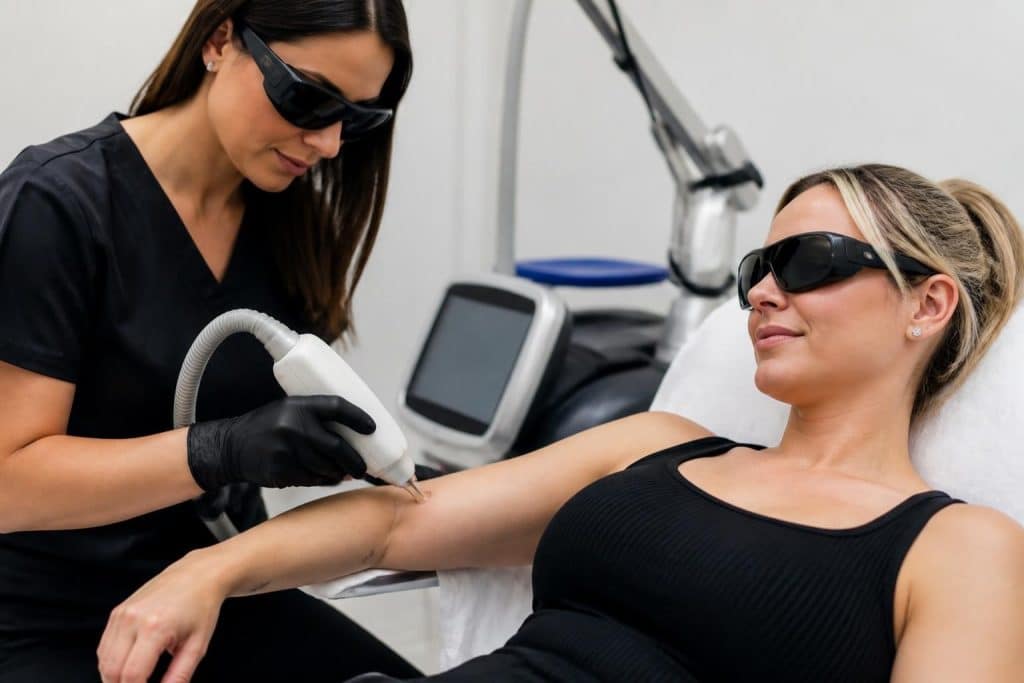
Laser technology has revolutionized the aesthetic treatment industry, offering safe and effective solutions for removing unwanted hair, tattoos, pigmentation, and various skin concerns. When you choose to remove by laser, you're opting for precision-based treatments that target specific areas while preserving surrounding tissue. This guide explores the comprehensive world of laser removal treatments, examining how these advanced procedures work, what conditions they address, and what patients can expect throughout their treatment journey.
Understanding How Laser Removal Technology Works
Laser removal treatments operate on the principle of selective photothermolysis, a process where specific wavelengths of light target particular chromophores in the skin. When you remove by laser, the device emits concentrated light energy that's absorbed by the target area, whether that's melanin in hair follicles, ink particles in tattoos, or hemoglobin in vascular lesions.
The absorbed energy converts to heat, which destroys or disrupts the target tissue without damaging the surrounding skin. Different wavelengths serve different purposes: 755 nm alexandrite lasers excel at hair removal on lighter skin tones, 1064 nm Nd:YAG lasers safely treat darker skin types, and 532 nm lasers effectively address superficial pigmentation and vascular concerns.
The Science Behind Selective Targeting
Modern laser systems incorporate sophisticated cooling mechanisms and adjustable parameters that allow practitioners to customize treatments for individual skin types and concerns. The specificity of laser technology means that when you remove by laser, the procedure minimizes collateral damage and reduces recovery time compared to traditional methods.
Key technological advances in 2026 include:
- Picosecond laser systems delivering ultra-short pulses for enhanced tattoo removal
- Diode lasers with improved melanin targeting for permanent hair reduction
- Fractional laser technology for controlled skin resurfacing
- Dynamic cooling systems for enhanced patient comfort
Primary Applications for Laser Removal Treatments
Permanent Hair Reduction
Laser hair removal remains one of the most requested aesthetic procedures globally. When you choose to remove by laser unwanted hair, treatments target the melanin within hair follicles during their active growth phase. Research comparing intense pulsed light versus diode laser systems demonstrates the efficacy of various approaches for different skin types and hair colors.
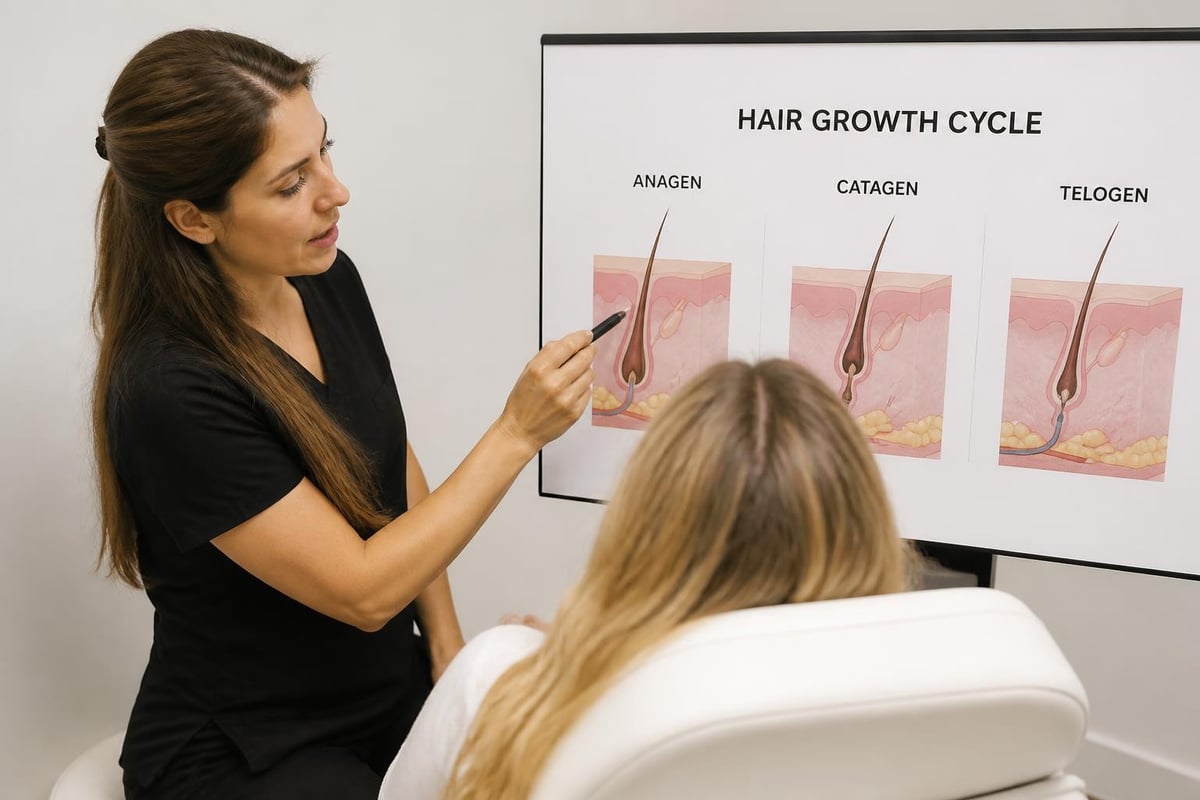
The process typically requires multiple sessions because hair grows in cycles, and lasers only effectively target follicles in the anagen (growth) phase. Most patients need between six to eight treatments spaced four to six weeks apart for optimal results.
| Treatment Area | Sessions Required | Interval Between Treatments |
|---|---|---|
| Face | 6-8 | 4 weeks |
| Underarms | 6-8 | 4-6 weeks |
| Legs | 6-10 | 6-8 weeks |
| Bikini Area | 6-8 | 4-6 weeks |
| Back/Chest | 6-10 | 6-8 weeks |
Studies have shown that long-pulsed 755 nm wavelength lasers demonstrate significant safety and efficacy for hair removal across various body areas, with patients experiencing substantial reduction in hair density after completing treatment protocols.
Tattoo Removal and Ink Elimination
The ability to remove by laser unwanted tattoos has improved dramatically with picosecond laser technology. These advanced systems deliver energy in trillionths of a second, creating a photoacoustic effect that shatters ink particles into tiny fragments your body's immune system can eliminate naturally.
Different ink colors require specific wavelengths for effective removal. Black and dark blue inks respond well to 1064 nm wavelengths, while red and orange pigments require 532 nm treatment. Green and blue inks often need specialized wavelengths like 755 nm or 694 nm for optimal clearance.
According to personal accounts of the tattoo removal process, patients should expect multiple sessions spanning several months to achieve complete or near-complete tattoo fading. Professional tattoos with dense ink saturation may require ten to fifteen sessions, while amateur tattoos often clear more quickly.
Vascular Lesion Treatment
Laser systems effectively treat various vascular concerns by targeting hemoglobin within blood vessels. When you remove by laser spider veins, broken capillaries, or cherry angiomas, the light energy heats the blood within these vessels, causing them to collapse and eventually be reabsorbed by the body. The Cleveland Clinic outlines comprehensive approaches to laser vein treatments and their applications.
Common vascular conditions treated with laser technology include:
- Facial spider veins and telangiectasias
- Broken capillaries around the nose and cheeks
- Cherry angiomas and other benign vascular lesions
- Port wine stains and other birthmarks
- Rosacea-related redness and visible vessels
The Patient Experience: What to Expect
Initial Consultation and Assessment
Before you remove by laser any unwanted concern, a thorough consultation with qualified practitioners establishes realistic expectations and treatment plans. During this assessment, specialists evaluate your skin type using the Fitzpatrick scale, examine the treatment area, review your medical history, and discuss potential outcomes.
This consultation phase also addresses contraindications such as active infections, certain medications, recent sun exposure, or pregnancy. Practitioners customize treatment parameters based on individual factors, ensuring both safety and efficacy.
Treatment Day Procedures
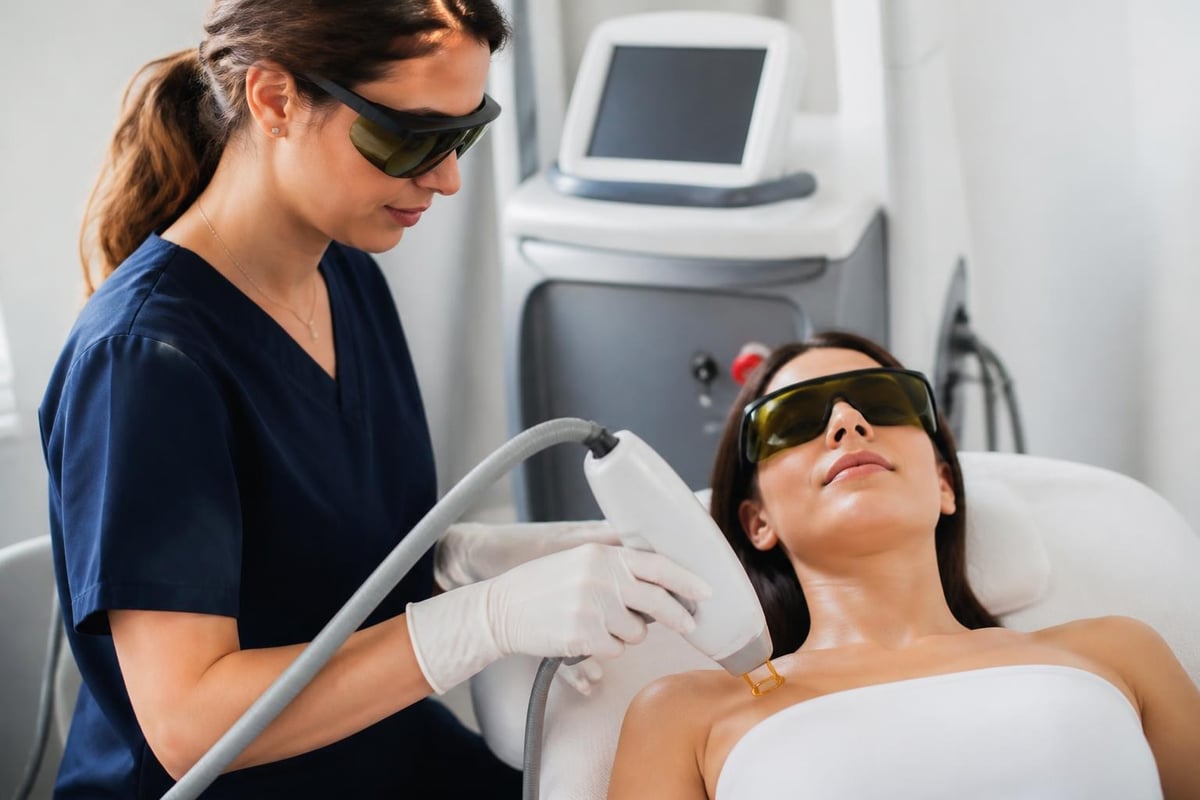
Most laser removal sessions follow a standardized protocol designed to maximize comfort and results. The treatment area is cleansed, and protective eyewear shields patients from laser light exposure. Some procedures apply topical numbing cream approximately thirty minutes before treatment for enhanced comfort.
During the procedure, patients typically describe sensations ranging from mild warmth to the feeling of a rubber band snapping against the skin. Advanced cooling systems integrated into modern laser devices significantly improve comfort levels throughout treatment sessions.
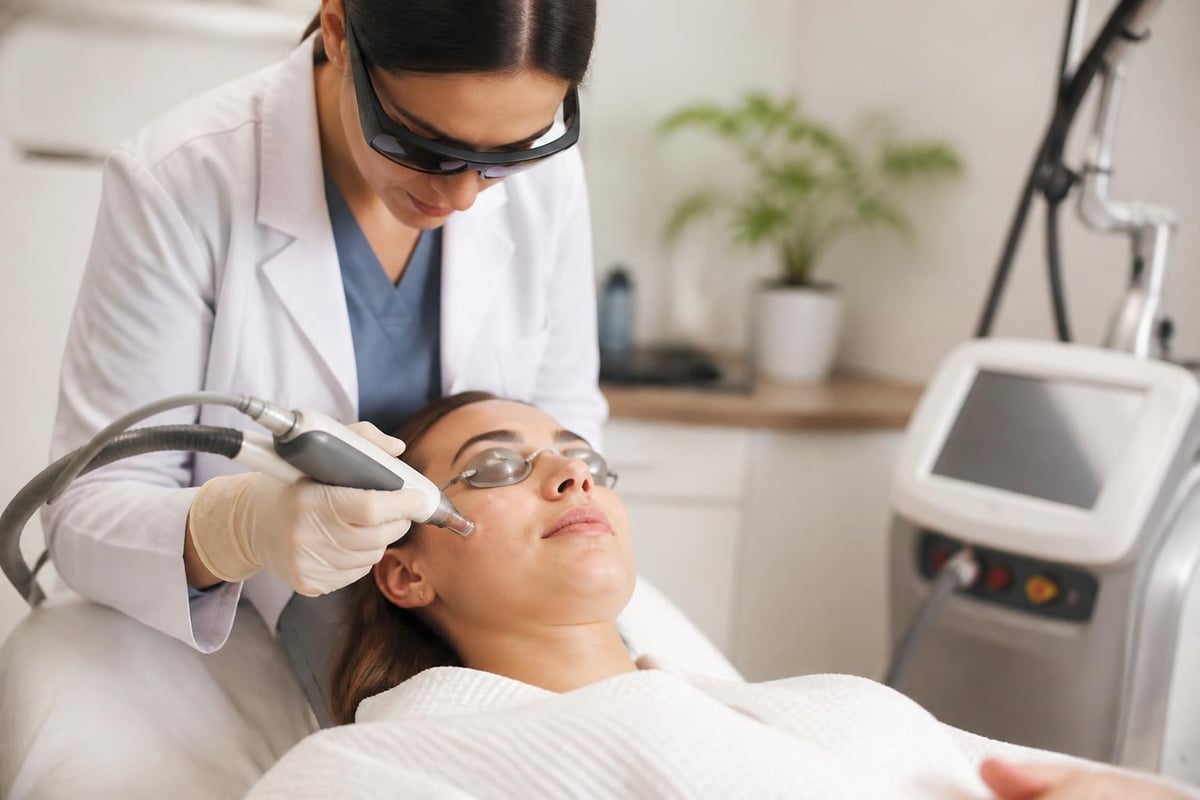
Session duration varies based on the treatment area size and specific procedure. Small areas like upper lip hair removal may take only five minutes, while full leg treatments can extend to sixty minutes or longer.
Post-Treatment Recovery and Aftercare
Recovery experiences differ depending on which procedure you undergo to remove by laser specific concerns. Hair removal typically produces mild redness and sensitivity that resolves within a few hours to two days. Tattoo removal may cause temporary blistering, scabbing, and requires more extended healing periods of seven to fourteen days.
Essential aftercare guidelines include:
- Avoiding sun exposure and applying broad-spectrum SPF 30+ sunscreen
- Keeping treated areas clean and moisturized
- Avoiding hot baths, saunas, and strenuous exercise for 24-48 hours
- Refraining from picking at scabs or blisters
- Following prescribed topical treatments if applicable
| Treatment Type | Typical Downtime | Common Side Effects | Recovery Duration |
|---|---|---|---|
| Hair Removal | Minimal | Redness, sensitivity | 12-48 hours |
| Tattoo Removal | Moderate | Blistering, scabbing | 7-14 days |
| Vascular Lesions | Minimal to Moderate | Bruising, swelling | 3-7 days |
| Pigmentation | Moderate | Darkening, flaking | 7-10 days |
Safety Considerations and Risk Management
When performed by trained professionals using appropriate equipment, laser removal treatments maintain excellent safety profiles. However, understanding potential risks helps patients make informed decisions and recognize when to seek medical attention.
Potential Side Effects and Complications
Most adverse effects from laser treatments are temporary and resolve without intervention. Common experiences include temporary hyperpigmentation or hypopigmentation, particularly in patients with darker skin tones. Proper wavelength selection and parameter adjustment minimize these risks significantly.
More serious complications, though rare, can occur when treatments are performed incorrectly. These include permanent scarring, burns, or paradoxical hair growth in treated areas. Choosing experienced practitioners who understand how to safely remove by laser various concerns substantially reduces complication risks.
Choosing Qualified Providers
The expertise of your treatment provider directly impacts both safety and outcomes. Qualified practitioners possess comprehensive training in laser physics, skin biology, and proper device operation. They understand how different skin types respond to various wavelengths and can adjust parameters accordingly.
Reputable facilities maintain their equipment according to manufacturer specifications and follow strict safety protocols. Before committing to treatment, verify that providers operate in properly licensed facilities and have extensive experience with the specific procedure you're considering.
Treatment Costs and Investment Considerations
The financial investment required to remove by laser unwanted concerns varies considerably based on multiple factors. Treatment area size, geographic location, provider expertise, and the number of sessions needed all influence total costs.
Pricing Structures Across Different Procedures
Hair removal pricing typically follows a per-session model, with smaller areas costing less than larger body regions. Face and underarm treatments might range from one hundred to three hundred dollars per session, while full leg treatments can exceed five hundred dollars. Package deals offering multiple sessions often provide better value than individual treatments.
Tattoo removal costs correlate with tattoo size, ink complexity, and required sessions. Small tattoos may cost one hundred fifty to three hundred dollars per session, while large, multi-colored pieces can exceed one thousand dollars per treatment. Complete removal often requires investment of several thousand dollars over the course of treatment.
Investment considerations for laser treatments:
- Package pricing versus individual sessions
- Financing options and payment plans
- Insurance coverage (typically not available for cosmetic procedures)
- Total cost projection based on estimated session requirements
- Value comparison between different providers
Maximizing Treatment Value
While cost considerations matter, prioritizing expertise and technology over price alone ensures better outcomes and reduces complication risks. Practitioners who invest in advanced laser systems and ongoing education deliver superior results that justify premium pricing.
Some clinics offer seasonal promotions or membership programs that reduce per-treatment costs. However, ensuring that discounted services don't compromise safety or effectiveness remains paramount when you choose to remove by laser any aesthetic concern.
Emerging Technologies and Future Developments
The laser treatment industry continues evolving with technological innovations that enhance efficacy, reduce treatment times, and improve patient comfort. Researchers explore novel approaches like photoacoustic monitoring that may optimize treatment parameters in real-time, potentially improving outcomes while reducing the number of required sessions.
Advanced Laser Systems in 2026
Current-generation devices incorporate artificial intelligence algorithms that analyze skin characteristics and recommend optimal treatment parameters. These smart systems reduce human error and enhance consistency across multiple treatment sessions.
Combination treatments that integrate laser technology with other modalities are gaining popularity. For instance, coupling laser hair removal with radiofrequency energy may provide enhanced follicle destruction and better long-term results. Similarly, fractional lasers combined with topical treatments accelerate healing and improve overall outcomes.
Personalized Treatment Protocols
The shift toward personalized medicine extends to aesthetic laser treatments. Genetic testing may soon help predict individual responses to laser treatments, allowing practitioners to customize protocols based on each patient's unique biology. This precision approach promises to optimize results while minimizing side effects.
Understanding your genetic predisposition to scarring, pigmentation changes, or healing responses enables practitioners to adjust treatment parameters proactively when you remove by laser unwanted concerns, potentially preventing complications before they occur.
Comparing Laser Removal to Alternative Methods
While laser technology dominates the aesthetic treatment landscape, comparing it to traditional removal methods helps patients understand its advantages and limitations.
Hair Removal Alternatives
Traditional methods like waxing, threading, and shaving require constant maintenance and never achieve permanent reduction. Electrolysis offers permanent hair removal but proves more time-consuming and uncomfortable than laser treatments, especially for large areas. When you remove by laser unwanted hair, you benefit from faster treatment times and broader coverage area per session.
Expert insights into laser hair removal highlight advantages over conventional methods, including reduced ingrown hairs, smoother skin texture, and long-term cost savings despite higher upfront investment.
Tattoo Removal Options
Surgical excision, dermabrasion, and chemical peels represent alternative tattoo removal approaches, but each carries significant drawbacks. Surgical removal leaves scars and only works for small tattoos, while dermabrasion proves painful and risks scarring. Chemical peels show limited efficacy and potential for adverse reactions.
Laser technology remains the gold standard for tattoo removal due to its ability to selectively target ink particles while preserving surrounding tissue. The non-invasive nature and controlled depth of penetration make lasers the safest, most effective option for removing unwanted tattoos.
Optimizing Results Through Proper Preparation
Success when you remove by laser any aesthetic concern depends partly on proper preparation before your first treatment session. Following pre-treatment guidelines enhances safety and improves outcomes.
Pre-treatment preparation steps include:
- Avoiding sun exposure for four to six weeks before treatment
- Discontinuing certain medications that increase photosensitivity
- Shaving treatment areas (for hair removal) twenty-four hours before appointments
- Arriving with clean, product-free skin
- Staying well-hydrated in the days leading up to treatment
For tattoo removal, maintaining healthy skin through proper nutrition and avoiding smoking improves your body's ability to clear fragmented ink particles. Similarly, patients seeking vascular lesion treatment should avoid blood-thinning medications and supplements that might increase bruising risks.
Managing Expectations and Treatment Timelines
Realistic expectations significantly influence patient satisfaction with laser removal treatments. While modern technology achieves impressive results, understanding limitations prevents disappointment and helps patients commit to complete treatment protocols.
Variable Response Rates
Individual responses to laser treatments vary based on factors like skin type, hair color, tattoo ink composition, and biological healing capacity. Some patients achieve complete clearance more quickly than others, even when receiving identical treatments for similar concerns.
Hair removal effectiveness depends heavily on contrast between hair and skin color. Dark hair on light skin responds optimally, while light hair or darker skin tones may require more sessions or specialized wavelengths. When you remove by laser hair on various body areas, hormonal factors also influence long-term results, occasionally necessitating maintenance treatments.
Commitment to Complete Protocols
Discontinuing treatment before completing recommended sessions often results in suboptimal outcomes. Hair removal requires targeting follicles through multiple growth cycles, while tattoo removal depends on gradual ink particle elimination over time. Patients who commit to full treatment protocols achieve significantly better results than those who stop prematurely.
The interval between sessions also impacts effectiveness. Spacing treatments too closely doesn't allow adequate time for your body's natural processes to work, while excessive delays may reduce cumulative benefits. Following your practitioner's recommended schedule optimizes results when you remove by laser unwanted aesthetic concerns.
Laser removal technology offers transformative solutions for unwanted hair, tattoos, vascular lesions, and various skin concerns through safe, effective, precision-based treatments. Understanding how these advanced procedures work, what to expect during treatment, and how to optimize results empowers patients to make informed decisions about their aesthetic goals. The expert team at New Skin Laser Clinic combines state-of-the-art laser technology with personalized care to help Toronto residents achieve their aesthetic goals safely and effectively. Schedule a consultation today to discover how advanced laser treatments can enhance your natural beauty and boost your confidence.