The pursuit of flawless, radiant skin has led to remarkable innovations in aesthetic technology, with carbon laser treatments emerging as one of the most effective non-invasive procedures for skin rejuvenation. This advanced treatment combines specialized carbon particles with precise laser energy to address multiple skin concerns simultaneously, from enlarged pores and uneven texture to acne and excess oil production. As more individuals seek professional solutions for maintaining youthful skin in 2026, understanding the science and benefits behind this treatment becomes essential for making informed decisions about your skincare journey.
Understanding Carbon Laser Technology
Carbon laser treatments represent a sophisticated fusion of dermatological science and photonic technology. The procedure utilizes Q-switched Nd:YAG lasers, which emit specific wavelengths of light energy designed to target and interact with carbon particles applied to the skin's surface.
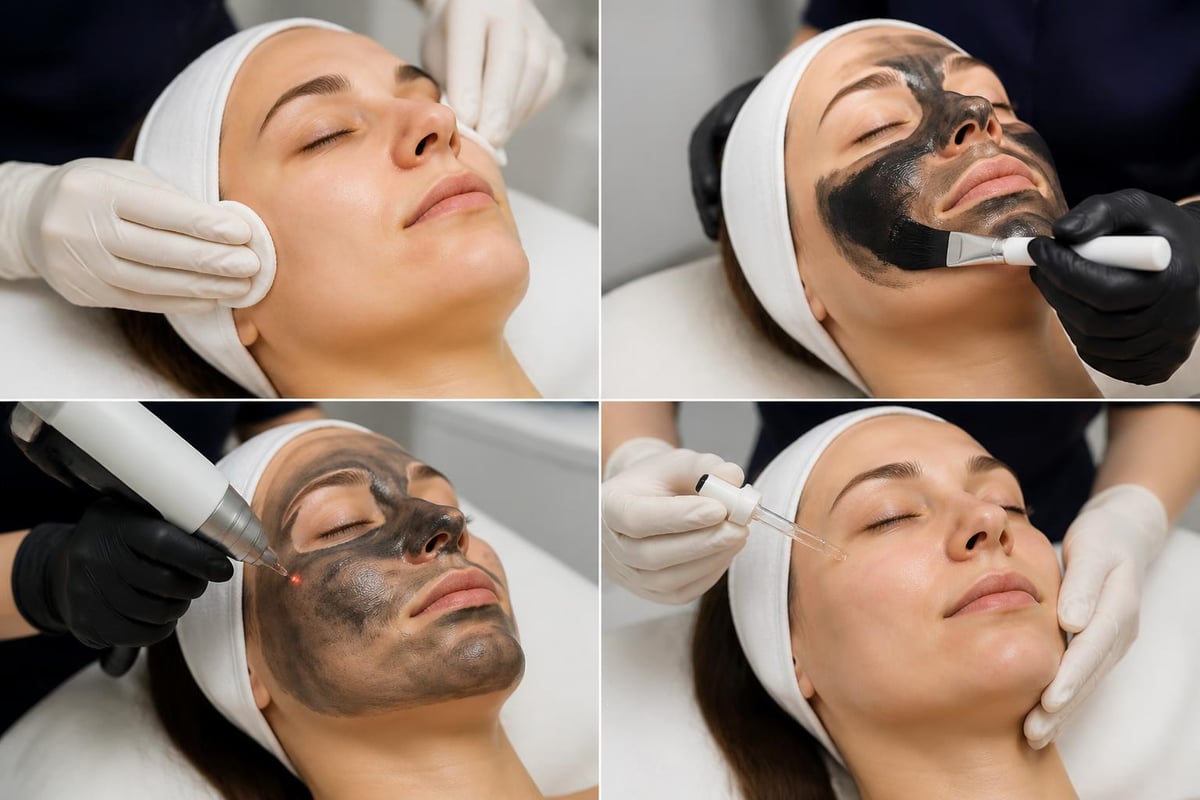
The technology builds upon decades of laser development in medical applications, though the carbon laser facial specifically emerged as a targeted solution for skin rejuvenation. The treatment works through a two-step process that begins with applying a thin layer of medical-grade liquid carbon to cleansed skin. This carbon lotion penetrates deep into the pores, binding to dirt, oil, and dead skin cells.
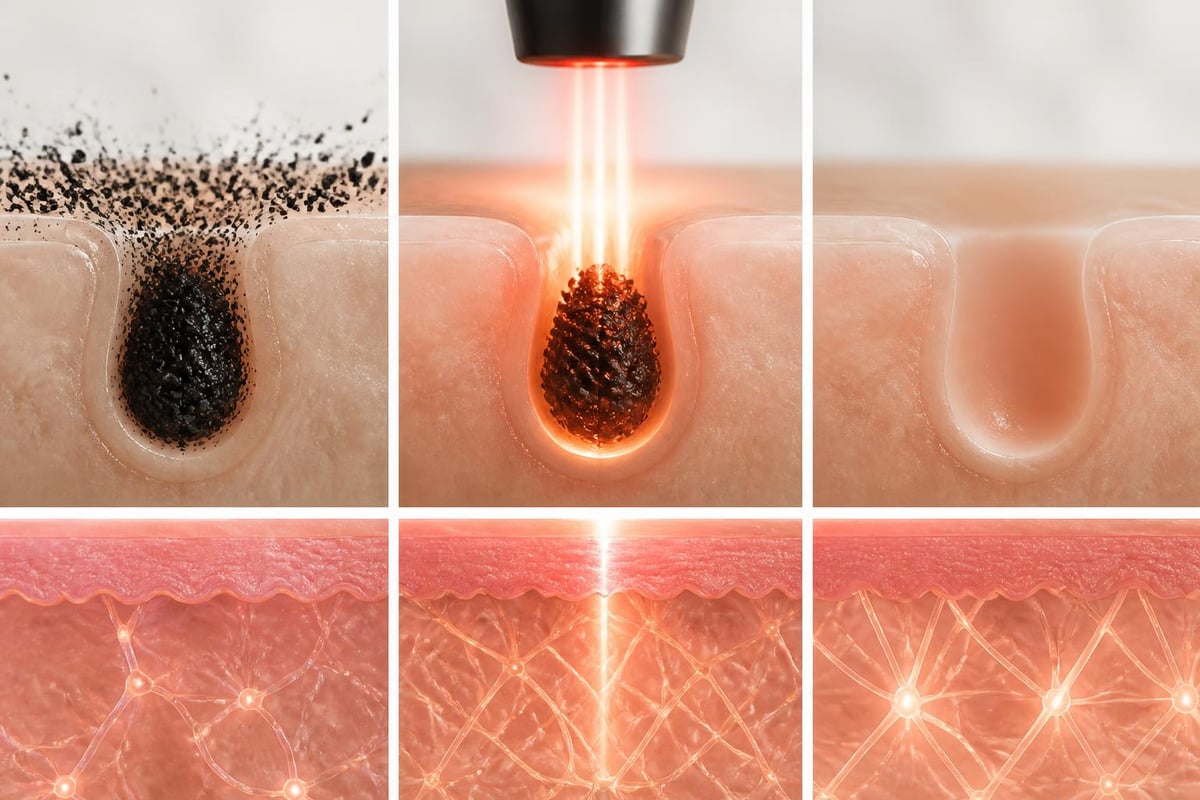
Once the carbon mask has dried, the laser passes over the treatment area. The carbon particles absorb the laser energy, creating a photoacoustic effect that simultaneously exfoliates the skin and stimulates collagen production deep within the dermal layers.
The Science Behind Carbon Particle Interaction
The effectiveness of this treatment lies in carbon's unique light-absorbing properties. When laser energy contacts the carbon particles, it creates controlled micro-explosions that accomplish multiple objectives:
- Immediate exfoliation through vaporization of surface carbon and attached impurities
- Deep pore cleansing as the laser energy destroys bacteria and removes debris
- Collagen stimulation triggered by controlled thermal energy reaching deeper skin layers
- Oil gland regulation through targeted heat application to sebaceous glands
The Q-switched laser delivers energy in nanosecond pulses, ensuring precision without damaging surrounding tissue. This specificity makes the treatment safe for various skin types and significantly reduces recovery time compared to more aggressive procedures.
Benefits and Treatment Applications
Carbon laser treatments offer comprehensive solutions for multiple skin concerns, making them increasingly popular among individuals seeking visible improvements without extended downtime. The versatility of this technology addresses both cosmetic and therapeutic dermatological needs.
Primary Skin Benefits
The carbon laser peel delivers transformative results across several key areas of skin health and appearance. Patients typically notice improvements in texture, tone, and overall skin quality within days of their first treatment.
Pore size reduction ranks among the most sought-after benefits. The deep cleansing action removes accumulated debris while the thermal effect causes temporary pore tightening. Over multiple sessions, collagen remodeling leads to sustained pore refinement that creates smoother, more refined skin texture.
Acne treatment and prevention represents another significant application. The laser energy destroys acne-causing bacteria within pores while reducing oil production and inflammation. According to WebMD’s overview of carbon laser peels, this dual action makes the treatment particularly effective for individuals struggling with active breakouts or persistent acne concerns.
Skin tone evening occurs through the removal of superficial pigmentation and stimulation of cellular renewal. The treatment addresses sun damage, age spots, and post-inflammatory hyperpigmentation, revealing brighter, more uniform skin tone.
| Skin Concern | Treatment Effect | Visible Results Timeline |
|---|---|---|
| Enlarged Pores | Deep cleansing + thermal tightening | 1-3 sessions |
| Active Acne | Bacterial elimination + oil reduction | 2-4 sessions |
| Fine Lines | Collagen stimulation | 3-6 sessions |
| Uneven Tone | Exfoliation + cellular renewal | 2-5 sessions |
| Oily Skin | Sebaceous gland regulation | 1-4 sessions |
Additional Aesthetic Improvements
Beyond the primary benefits, carbon laser treatments contribute to overall skin rejuvenation through several mechanisms. The procedure stimulates blood circulation, enhancing nutrient delivery to skin cells and promoting a healthy, natural glow.
Fine lines and early wrinkles show improvement as new collagen forms and skin thickness increases. While not a replacement for more intensive anti-aging treatments, the carbon laser provides noticeable refinement in skin texture and firmness.
The exfoliating action removes dull surface cells, immediately revealing brighter, more luminous skin. This instant gratification aspect makes the treatment popular before important events or as part of regular maintenance routines.
The Treatment Experience and Process
Understanding what happens during a carbon laser session helps set realistic expectations and ensures optimal results. The procedure follows a standardized protocol designed to maximize benefits while maintaining patient comfort and safety.
Pre-Treatment Preparation
Proper preparation begins several days before your scheduled appointment. Patients should avoid sun exposure, chemical peels, and harsh exfoliants for at least one week prior to treatment. Discontinuing retinoid products three to five days beforehand prevents excessive sensitivity.
On treatment day, arrive with clean, makeup-free skin. The esthetician will cleanse the treatment area thoroughly to ensure optimal carbon lotion adhesion and laser effectiveness. A consultation confirms your skin concerns, reviews medical history, and establishes treatment parameters customized to your specific needs.
Professional clinics like those offering advanced aesthetic treatments ensure comprehensive pre-treatment assessments to identify any contraindications and customize laser settings for individual skin types.
Step-by-Step Procedure
- Skin cleansing and assessment to remove all surface oils and contaminants
- Carbon lotion application in a thin, even layer across treatment areas
- Drying period of 10-15 minutes allowing carbon to penetrate pores fully
- First laser pass using gentle settings to warm the carbon and begin activation
- Second laser pass at higher intensity to vaporize carbon and create therapeutic effects
- Post-treatment cleansing to remove all carbon residue
- Soothing treatment application with serums or cooling masks
The entire process typically requires 30 to 45 minutes, depending on the treatment area size. Most patients describe the sensation as mild warmth with slight tingling, comparing it to tiny rubber band snaps against the skin.
Immediate Post-Treatment Care
Following the procedure, skin may appear slightly pink or flushed, similar to a mild sunburn. This temporary reaction typically subsides within two to four hours. The skin feels smoother immediately, with visible pore refinement and enhanced radiance.
Post-treatment care instructions include:
- Avoiding direct sun exposure for 48-72 hours
- Applying broad-spectrum SPF 30 or higher sunscreen diligently
- Using gentle, fragrance-free cleansers and moisturizers
- Avoiding makeup for at least 12-24 hours when possible
- Skipping intense exercise or activities causing excessive sweating for 24 hours
Proper aftercare maximizes treatment benefits and prevents complications. Most individuals resume normal activities immediately, making this an ideal "lunchtime procedure" for busy professionals.
Treatment Frequency and Long-Term Results
Achieving optimal outcomes with carbon laser treatments requires understanding the cumulative nature of collagen stimulation and cellular renewal. While single sessions provide visible improvements, comprehensive transformation develops through consistent treatment protocols.
Recommended Treatment Schedules
For general skin rejuvenation and maintenance, most dermatologists recommend an initial series of four to six treatments spaced two to four weeks apart. This frequency allows skin adequate recovery time while maintaining consistent stimulation for collagen production.
Specific concerns may require modified schedules:
Acne management often benefits from more frequent initial treatments, with sessions every two weeks until active breakouts subside, followed by monthly maintenance. The bacterial reduction and oil control provided by each session builds upon previous treatments, creating lasting improvements.
Pore refinement and texture improvement typically show progressive enhancement over three to five sessions. As collagen remodeling occurs, pores appear smaller and skin texture becomes increasingly smooth and even.
Pigmentation correction may require six to eight treatments for stubborn discoloration, particularly when addressing sun damage or post-inflammatory hyperpigmentation. The gradual exfoliation and cellular turnover progressively lightens dark spots while evening overall skin tone.
Maintenance and Sustainability
After completing an initial treatment series, maintenance sessions every one to three months help sustain results. The frequency depends on individual skin type, concerns, and lifestyle factors such as sun exposure and stress levels.
Many patients incorporate carbon laser treatments into their regular skincare routines, scheduling quarterly sessions alongside other professional treatments. This integrated approach addresses multiple skin concerns comprehensively while maintaining the cumulative benefits of previous procedures.
Long-term results prove most impressive for individuals who combine professional treatments with quality at-home skincare. Using appropriate cleansers, serums, and sun protection between sessions optimizes and extends the benefits of each carbon laser treatment.
| Treatment Goal | Initial Series | Maintenance Schedule | Expected Outcome Duration |
|---|---|---|---|
| Pore Minimizing | 4-6 sessions | Every 2-3 months | 3-6 months per treatment |
| Acne Control | 6-8 sessions | Monthly as needed | Ongoing with maintenance |
| Skin Brightening | 3-5 sessions | Every 3-4 months | 4-6 months per treatment |
| Anti-Aging | 5-6 sessions | Every 2-3 months | Progressive improvement |
Safety Considerations and Candidacy
While carbon laser treatments offer remarkable benefits for many individuals, understanding safety parameters and candidacy criteria ensures optimal outcomes and prevents complications. Professional assessment by qualified estheticians remains essential before beginning any laser treatment protocol.
Ideal Candidates
The treatment works exceptionally well for individuals experiencing:
- Oily or combination skin with enlarged pores
- Mild to moderate acne or frequent breakouts
- Uneven skin texture or rough patches
- Dull complexion lacking radiance
- Early signs of aging including fine lines
- Sun damage or mild hyperpigmentation
Most skin types respond well to carbon laser treatments, though settings require adjustment based on melanin content and sensitivity levels. The non-ablative nature of the procedure makes it safer for diverse skin tones compared to more aggressive laser treatments.
Contraindications and Precautions
Certain conditions or circumstances may preclude carbon laser treatment or require special considerations. Pregnant or nursing women should postpone treatments until after this period. Active skin infections, open wounds, or inflammatory conditions in the treatment area necessitate healing before proceeding.
Individuals with keloid scarring tendencies, recent isotretinoin use (within six months), or photosensitizing medications require thorough evaluation and potentially modified treatment approaches. Those with very dark skin tones need careful assessment to ensure appropriate laser settings that prevent hyperpigmentation risks.
Recent sun exposure or active tans increase complication risks. Patients should avoid deliberate tanning for at least two weeks before treatment and maintain sun protection throughout their treatment series.

Potential Side Effects
When performed by trained professionals using appropriate settings, carbon laser treatments carry minimal risk. However, understanding potential temporary side effects helps patients prepare adequately:
- Mild redness lasting two to six hours post-treatment
- Temporary skin sensitivity requiring gentle product use
- Slight dryness or flaking as dead skin cells shed naturally
- Rare cases of temporary darkening in very dark skin tones
Serious complications remain extremely rare with proper technique and appropriate candidacy screening. Choosing experienced providers significantly reduces risks while maximizing treatment effectiveness.
Comparing Carbon Laser to Alternative Treatments
The aesthetic industry offers numerous skin rejuvenation options, each with distinct mechanisms, benefits, and limitations. Understanding how carbon laser treatments compare to alternatives helps individuals make informed decisions aligned with their specific goals and circumstances.
Chemical Peels Versus Carbon Laser
Chemical peels use acids to dissolve dead skin cells and stimulate renewal, while carbon laser treatments combine exfoliation with collagen stimulation through thermal energy. Both address similar concerns but through different mechanisms.
Carbon laser treatments typically cause less post-procedure peeling and require minimal downtime compared to medium or deep chemical peels. However, chemical peels may provide more dramatic results for severe sun damage or deep wrinkles in fewer sessions.
The choice between these options depends on skin sensitivity, desired intensity, and recovery time availability. Many individuals alternate between both treatments as part of comprehensive skincare programs offered at facilities like New Skin Laser Clinic.
Microdermabrasion and Carbon Laser
Microdermabrasion provides physical exfoliation through crystal or diamond-tip abrasion, removing surface dead cells. While effective for texture refinement, it lacks the deep pore cleansing and collagen stimulation provided by carbon laser technology.
Carbon laser treatments penetrate deeper into skin layers and offer antibacterial benefits particularly valuable for acne-prone individuals. The thermal stimulation promotes long-term improvements in skin structure that mechanical exfoliation alone cannot achieve.
Combining both treatments strategically addresses surface and deeper skin concerns comprehensively. Microdermabrasion between carbon laser sessions maintains smooth texture while allowing adequate recovery time between more intensive procedures.
Traditional Laser Resurfacing Options
Ablative laser resurfacing removes outer skin layers completely, creating dramatic improvements but requiring extended recovery periods of one to two weeks. Carbon laser treatments offer gentler rejuvenation with immediate return to normal activities.
For individuals seeking significant improvements without extensive downtime, carbon laser provides an attractive middle ground. Multiple sessions achieve cumulative results approaching more aggressive treatments while maintaining professional and social commitments.
The non-ablative approach also carries lower complication risks, making it suitable for broader patient populations including those with darker skin tones who face higher risks with traditional ablative procedures.
Technology Advances and Future Developments
The field of aesthetic laser technology continues evolving rapidly, with ongoing research expanding treatment capabilities and improving outcomes. Understanding these developments provides context for the growing popularity and effectiveness of carbon laser treatments in 2026.
Current Technological Refinements
Modern carbon laser systems incorporate sophisticated cooling mechanisms that enhance patient comfort while protecting surrounding tissues. Advanced delivery systems ensure more uniform energy distribution, creating consistent results across entire treatment areas.
According to research on carbon laser facial technology, newer picosecond lasers deliver energy in even shorter pulses than traditional Q-switched systems. These ultra-short pulses create more efficient photoacoustic effects with potentially enhanced collagen stimulation and reduced heat accumulation.
Customizable carbon formulations now include additional beneficial ingredients such as antioxidants, peptides, or specific compounds targeting particular skin concerns. These enhanced carbon lotions amplify treatment benefits beyond the mechanical and thermal effects of the laser itself.
Integration with Complementary Treatments
Progressive aesthetic practices combine carbon laser treatments with other modalities for synergistic effects. LED light therapy following carbon laser sessions enhances healing and further stimulates cellular regeneration. Radiofrequency devices used in conjunction with carbon laser treatments address both superficial and deeper skin layers comprehensively.
Growth factors, stem cell derivatives, and specialized serums applied immediately post-treatment penetrate more effectively into freshly exfoliated skin. This strategic timing maximizes absorption and therapeutic benefits of premium skincare products.
Emerging Applications and Research
While primarily known for facial rejuvenation, carbon laser technology shows promise for treating other areas including neck, chest, and hands. These frequently aging-affected regions benefit from the same pore refinement, texture improvement, and collagen stimulation mechanisms.
Researchers continue exploring optimal treatment parameters for various skin types and conditions. Studies examine pulse duration, energy levels, and carbon formulations to maximize efficacy while maintaining safety across diverse patient populations.
Selecting the Right Provider
Treatment outcomes depend significantly on provider expertise, equipment quality, and facility standards. Identifying qualified professionals ensures safe, effective procedures that deliver promised results while minimizing complication risks.
Essential Qualifications and Credentials
Seek providers with specific training in laser technologies and extensive experience performing carbon laser treatments. Licensed estheticians or medical professionals should demonstrate comprehensive understanding of skin biology, laser physics, and safety protocols.
Reputable clinics maintain current certifications, ongoing education, and strict hygiene standards. They should willingly discuss their experience, show before-and-after photos of actual patients, and provide detailed treatment explanations during consultations.
Ask about the specific laser systems used and their maintenance schedules. Premium equipment from recognized manufacturers, properly calibrated and regularly serviced, produces superior results with enhanced safety profiles.
Consultation and Treatment Planning
Quality providers conduct thorough consultations assessing skin type, concerns, medical history, and treatment goals before recommending specific protocols. They discuss realistic expectations, potential risks, and alternative options to ensure informed decision-making.
Personalized treatment plans consider individual factors including skin sensitivity, lifestyle constraints, and budget considerations. Cookie-cutter approaches rarely deliver optimal results given the significant variation in skin characteristics and concerns among different individuals.
Professional facilities provide detailed pre-treatment instructions, post-care guidance, and accessible follow-up support. They schedule adequate time for each appointment, never rushing through procedures to maximize daily patient volume.
Red Flags to Avoid
Be cautious of providers offering prices significantly below market rates, which may indicate outdated equipment, insufficient training, or compromised safety standards. Similarly, aggressive sales tactics or pressure to purchase extensive package deals upfront suggest prioritization of profit over patient care.
Lack of proper consultation, unwillingness to answer questions thoroughly, or guarantees of specific results indicate unprofessional practices. Legitimate providers acknowledge that individual results vary and cannot promise identical outcomes for all patients.
For those in Toronto seeking professional carbon laser treatments, connecting with established clinics ensures access to experienced practitioners using advanced technology. You can explore treatment options and schedule consultations by visiting the contact page for personalized assessment.
Cost Considerations and Value Assessment
Understanding the financial investment required for carbon laser treatments helps individuals budget appropriately and evaluate the value proposition relative to alternative skincare solutions and procedures.
Typical Pricing Structures
Single carbon laser treatment sessions typically range from $150 to $400, depending on geographic location, provider expertise, and treatment area size. Facial treatments generally cost less than larger areas such as full face, neck, and chest combinations.
Most clinics offer package pricing for multiple sessions, reducing per-treatment costs by 15 to 30 percent compared to individual session purchases. Initial series of four to six treatments might range from $600 to $1,800 total when purchased as packages.
Membership programs at some facilities provide discounted rates for regular clients, making ongoing maintenance treatments more affordable. These programs may include additional perks such as complimentary consultations, product discounts, or priority scheduling.
Comparing Cost to Alternative Treatments
When evaluating costs, consider the comprehensive benefits provided. A single carbon laser session addresses multiple concerns simultaneously-pore refinement, exfoliation, acne treatment, and collagen stimulation-potentially replacing several separate treatments or products.
Compared to at-home skincare products producing similar goals, professional carbon laser treatments deliver more dramatic, verified results. While quality serums, exfoliants, and treatments easily cost $200 to $500 monthly, they rarely achieve the deep pore cleansing and dermal stimulation provided by professional laser procedures.
More aggressive treatments like ablative laser resurfacing cost substantially more ($2,000 to $5,000 per session) and require extended recovery time. Carbon laser treatments provide meaningful improvements at moderate investment levels with minimal lifestyle disruption.
| Treatment Type | Single Session Cost | Recovery Time | Results Duration |
|---|---|---|---|
| Carbon Laser | $150-$400 | None to minimal | 3-6 months |
| Chemical Peel (medium) | $200-$600 | 3-7 days | 4-6 months |
| Microdermabrasion | $100-$200 | None | 2-4 weeks |
| Ablative Laser | $2,000-$5,000 | 7-14 days | 1-2 years |
Maximizing Treatment Value
Optimize your investment by following all pre-treatment and post-care instructions meticulously. Proper preparation and aftercare significantly influence results quality and longevity, ensuring you receive full value from each session.
Maintain results between treatments through quality at-home skincare. While professional procedures provide intensive improvements, daily cleansing, moisturizing, and sun protection extend benefits and reduce the frequency of required maintenance sessions.
Schedule treatments strategically around your calendar, spacing them appropriately for optimal collagen stimulation while avoiding unnecessary frequency. More treatments don't always equal better results; proper timing allows cumulative benefits to develop fully.
Integration with Comprehensive Skincare Routines
Carbon laser treatments deliver optimal results when incorporated into holistic skincare approaches addressing both professional procedures and daily at-home care. This integrated strategy maximizes treatment benefits while promoting overall skin health.
Complementary At-Home Products
Following carbon laser treatments, skin becomes more receptive to active ingredients in quality skincare products. Incorporate gentle cleansers that remove impurities without stripping natural oils, maintaining the balanced complexion achieved through professional treatments.
Hydrating serums containing hyaluronic acid, niacinamide, or peptides support the skin's recovery process while enhancing collagen production stimulated by laser treatments. Apply these products morning and evening to freshly cleansed skin for maximum absorption and benefit.
Retinoids or retinol products, when appropriate for your skin type, complement carbon laser treatments by promoting cellular turnover and collagen synthesis. However, discontinue these products several days before scheduled treatments to prevent excessive sensitivity, resuming use three to five days post-procedure.
Sun Protection as Essential Maintenance
Diligent sun protection represents the single most important factor in maintaining carbon laser treatment results and preventing premature aging. Apply broad-spectrum SPF 30 or higher sunscreen daily, regardless of weather conditions or season.
Reapply sunscreen every two hours during extended outdoor exposure, and consider physical barriers like hats and protective clothing for additional defense. UV exposure not only damages skin directly but also compromises the improvements achieved through professional treatments.
Sun protection becomes particularly critical in the 72 hours following carbon laser procedures when skin temporarily increases photosensitivity. Avoiding direct sun exposure during this period prevents hyperpigmentation and ensures optimal healing.
Timing Treatments with Other Procedures
Strategic scheduling of various skincare treatments prevents overtreatment while maximizing synergistic benefits. Space carbon laser sessions at least two weeks apart from chemical peels or other intensive exfoliating procedures to allow adequate skin recovery.
Gentle treatments like hydrating facials, LED therapy, or microcurrent procedures complement carbon laser treatments without causing cumulative irritation. These can be scheduled during off-weeks between laser sessions, maintaining consistent skin improvement.
For individuals receiving injectable treatments like neuromodulators or dermal fillers, coordinate timing with your provider. Generally, laser treatments should occur at least two weeks before or after injectable procedures to prevent interference and ensure optimal results from both modalities.
Carbon laser treatments offer a scientifically advanced, clinically proven approach to achieving smoother, clearer, and more radiant skin with minimal downtime and exceptional safety profiles. The technology addresses multiple skin concerns simultaneously while stimulating long-term improvements through collagen production and cellular renewal. Whether you're struggling with enlarged pores, active breakouts, uneven texture, or early signs of aging, carbon laser treatments provide effective solutions tailored to your specific needs. New Skin Laser Clinic brings this transformative technology to Toronto, combining state-of-the-art equipment with expert estheticians who create personalized treatment plans for every client. Experience the difference that professional carbon laser treatments can make by scheduling your consultation with New Skin Laser Clinic today.