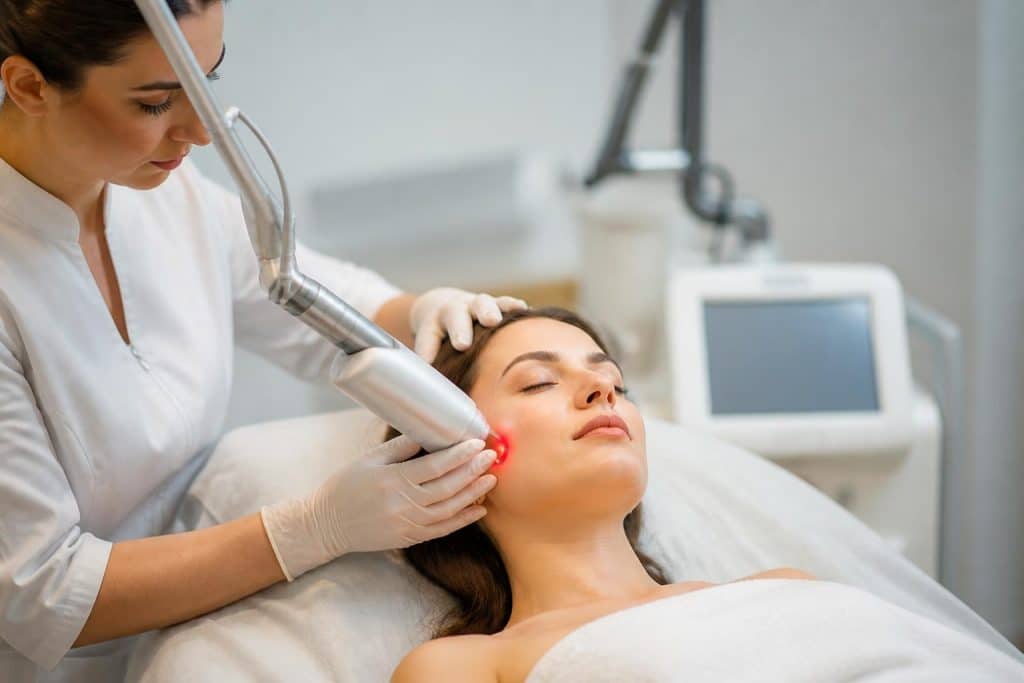
CO2 laser resurfacing has become one of the most sought-after treatments for addressing skin concerns ranging from fine lines and wrinkles to acne scars and sun damage. As advanced aesthetic technology continues to evolve, patients seeking dramatic skin rejuvenation results are increasingly interested in understanding the financial investment required. The co2 treatment cost varies significantly based on multiple factors, including treatment intensity, geographic location, provider expertise, and the specific areas being addressed. This comprehensive guide explores the pricing landscape for CO2 laser treatments in 2026, helping you make informed decisions about your skin rejuvenation journey.
Understanding CO2 Laser Treatment Pricing Factors
The co2 treatment cost is influenced by several critical elements that determine both the complexity of the procedure and the expertise required to perform it safely and effectively. Treatment depth represents one of the primary cost drivers, as fully ablative procedures that remove entire layers of skin require more physician time and carry higher risk than fractional treatments.
Provider credentials and experience significantly impact pricing structures. Board-certified dermatologists and plastic surgeons typically charge premium rates compared to medical spas, reflecting their advanced training and ability to handle complications. Geographic location also plays a substantial role, with metropolitan areas like Toronto commanding higher prices than smaller cities due to increased overhead costs and market demand.
Treatment Area and Coverage Size
The size of the area being treated directly affects the overall investment required. Smaller, targeted treatments for specific concerns cost considerably less than full-face resurfacing or treatments extending to the neck and chest.
Common treatment areas and relative cost impact:
- Full face (highest investment for comprehensive rejuvenation)
- Perioral region (around the mouth for fine lines)
- Periorbital area (around the eyes for crow's feet)
- Acne scar zones (targeted treatment for specific scarring)
- Neck and décolletage (extended coverage areas)
Facilities must also consider the technology platform being used, as newer, more sophisticated CO2 laser systems with advanced cooling mechanisms and precision controls represent significant capital investments that influence per-treatment pricing.
National Pricing Averages for 2026
According to national average costs for CO2 laser skin resurfacing, patients can expect to invest between $2,000 and $5,000 for a single full-face treatment in 2026. This represents a moderate increase from previous years, reflecting both inflation and technological advancements in laser systems.
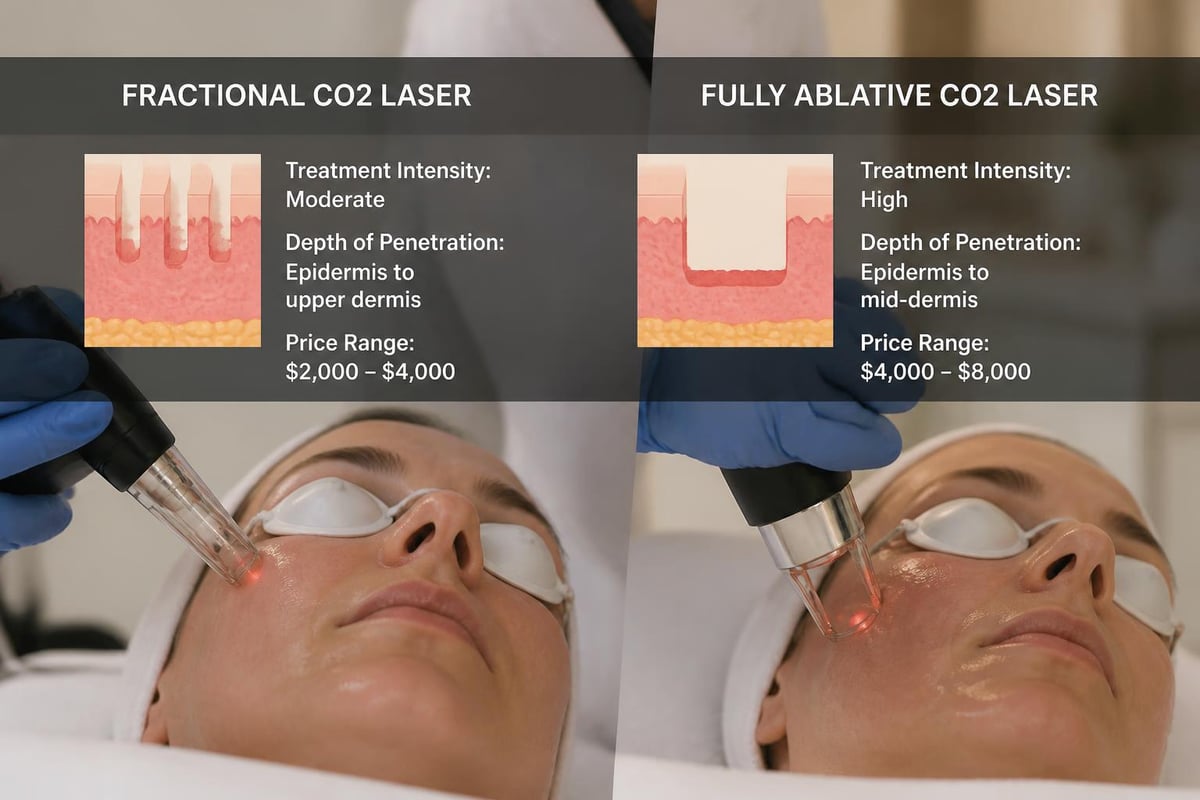
Fractional CO2 treatments generally fall on the lower end of this spectrum, ranging from $1,500 to $3,500 per session. These treatments create microscopic columns of thermal damage while leaving surrounding tissue intact, promoting faster healing with reduced downtime. Fully ablative treatments, which remove the entire epidermal layer, typically range from $3,000 to $5,000 or more for full-face procedures.
Regional Cost Variations
| Region | Average Cost Range | Market Characteristics |
|---|---|---|
| Major Metropolitan Areas | $3,500 – $5,500+ | High demand, premium providers, advanced technology |
| Mid-Size Cities | $2,500 – $4,000 | Moderate competition, established practices |
| Smaller Markets | $1,800 – $3,200 | Limited providers, competitive pricing |
| Medical Tourism Destinations | $1,200 – $2,500 | International options, travel considerations |
The comprehensive breakdown of CO2 laser resurfacing costs reveals that facility fees, anesthesia charges, and pre-treatment consultations may or may not be included in quoted prices, making it essential to request itemized estimates.
Treatment Intensity and Technique Variations
The co2 treatment cost varies substantially based on whether patients choose fractional or fully ablative approaches. Fractional CO2 lasers treat a percentage of the skin surface, typically 20-40%, allowing for faster recovery and reduced complication risks. This technique has become increasingly popular for patients with active lifestyles who cannot afford extended downtime.
Fully ablative CO2 laser resurfacing removes the entire epidermal layer and heats the dermal layer, producing dramatic results for severe sun damage, deep wrinkles, and significant scarring. The enhanced results come with increased recovery time, typically 10-14 days of significant visible healing compared to 5-7 days for fractional treatments.
Customized Treatment Protocols
Modern CO2 laser platforms offer customizable settings that allow providers to adjust:
- Energy levels (measured in millijoules per microbeam)
- Density patterns (percentage of skin coverage)
- Pulse duration (affecting heat penetration depth)
- Number of passes (single versus multiple treatment layers)
- Spot size (precision for different facial zones)
These customization options mean that treatment intensity and coverage area directly influence pricing, with more aggressive protocols requiring additional physician expertise and carrying higher costs.
Multiple Session Considerations
While many patients achieve their desired results with a single CO2 laser treatment, certain conditions may benefit from a series of lighter sessions spaced several months apart. This approach can actually affect the total co2 treatment cost in complex ways.
Single intensive treatment versus multiple lighter sessions:
- Single fully ablative session: $3,500 – $5,000 (one recovery period)
- Series of three fractional sessions: $1,800 – $2,500 each (total $5,400 – $7,500)
- Hybrid approach combining one ablative with maintenance fractional: Variable pricing
Treatment packages offered by clinics may provide per-session discounts for patients committing to multiple appointments upfront. However, the extended timeline and multiple recovery periods should factor into decision-making beyond simple price comparison.

Additional Cost Components Beyond Base Pricing
Understanding the complete financial picture requires examining expenses beyond the base treatment fee. Pre-treatment consultations typically range from complimentary to $150, though many practices apply this fee toward treatment if patients proceed.
Ancillary Expenses to Consider
Topical anesthesia or numbing cream is often included in treatment pricing, but deeper anesthesia options carry additional costs. Local anesthetic injections may add $100-$300, while conscious sedation can increase costs by $500-$800 depending on the anesthesiologist's fees.
Post-treatment care products represent another investment category:
- Medical-grade healing ointments ($40-$80)
- Specialized cleansers for sensitive post-laser skin ($25-$50)
- High-quality sunscreen for UV protection ($30-$60)
- Barrier repair creams and moisturizers ($50-$120)
- Optional growth factor serums ($150-$300)
Time away from work must also be considered, as visible healing requires 7-14 days depending on treatment intensity. The factors affecting CO2 laser resurfacing costs extend beyond the treatment room to encompass the complete patient experience and recovery period.
Provider Expertise and Technology Platform Impact
The qualifications and experience of your treatment provider substantially influence both safety and pricing. Board-certified dermatologists and plastic surgeons invest years in specialized training and maintain rigorous continuing education requirements, justifying premium pricing structures.
| Provider Type | Typical Cost Range | Training Level | Complication Management |
|---|---|---|---|
| Board-Certified Dermatologist | $3,500 – $5,500+ | Extensive medical training | Full medical support |
| Plastic Surgeon | $3,200 – $5,000+ | Surgical specialization | Comprehensive care capability |
| Medical Spa Physician | $2,500 – $4,000 | Variable aesthetic focus | Limited medical infrastructure |
| Nurse Practitioner/PA | $2,000 – $3,500 | Supervised practice | Physician oversight required |
Technology platform sophistication also affects pricing. State-of-the-art CO2 laser systems featuring advanced cooling mechanisms, computerized pattern control, and enhanced safety features represent investments of $100,000 or more. Practices utilizing cutting-edge technology typically reflect these capital costs in their treatment pricing.
Insurance Coverage and Financing Options
CO2 laser resurfacing is typically considered a cosmetic procedure, making insurance coverage unlikely for aesthetic concerns. However, certain medical conditions may qualify for partial coverage if documented appropriately.
Precancerous lesion removal or significant scarring from accidents or burns might receive insurance consideration with proper medical documentation. Patients should consult their insurance providers regarding specific policy provisions before assuming complete out-of-pocket responsibility.
Payment and Financing Alternatives
Many aesthetic practices offer flexible payment arrangements to make treatments more accessible:
- Healthcare credit cards with promotional interest-free periods
- In-house payment plans spreading costs over 6-12 months
- Package discounts for multiple treatment areas or sessions
- Seasonal promotions offering reduced pricing during slower periods
- Loyalty programs rewarding repeat clients with preferential pricing
The detailed analysis of CO2 laser resurfacing costs emphasizes the importance of evaluating total value rather than selecting providers based solely on the lowest initial quote.
Evaluating Long-Term Value and Results Duration
When assessing co2 treatment cost, the longevity of results provides important context for the investment. Properly performed CO2 laser resurfacing can deliver visible improvements lasting 5-10 years or more with appropriate skincare maintenance and sun protection.
Comparing this extended benefit period to alternative treatments reveals favorable value propositions. Chemical peels require multiple sessions annually at $150-$300 each, potentially totaling $3,000-$6,000 over five years. Microneedling treatments cost $300-$700 per session with quarterly maintenance recommendations, accumulating to $6,000-$14,000 over the same period.
Maintenance and Touch-Up Considerations
While initial CO2 laser results last for years, natural aging continues. Many patients benefit from maintenance treatments:
- Light fractional sessions every 2-3 years ($1,500-$2,500)
- Combination treatments with radiofrequency or ultrasound therapy
- Professional skincare regimens supporting collagen production
- Preventive measures including medical-grade retinoids and sunscreen
The expert pricing breakdown and technology guide explains how treatment intensity and provider expertise create foundation for lasting results that minimize long-term maintenance requirements.
Comparing CO2 Laser to Alternative Treatments
Understanding how co2 treatment cost compares to other skin rejuvenation options helps patients make informed decisions aligned with their goals and budgets. Each modality offers distinct advantages and limitations regarding results, downtime, and investment required.
Treatment comparison for skin rejuvenation:
- CO2 Laser Resurfacing: $2,000-$5,000 per treatment, dramatic results, 7-14 days downtime
- Erbium Laser: $1,500-$3,500 per session, moderate improvement, 5-7 days recovery
- Chemical Peels (Deep): $800-$2,000 per treatment, variable results, 7-10 days healing
- Microneedling with PRP: $500-$1,000 per session, subtle improvement, 3-5 days downtime
- Radiofrequency Microneedling: $800-$1,500 per treatment, gradual results, minimal downtime
CO2 laser technology uniquely addresses both superficial concerns and deeper structural issues through collagen remodeling, making it particularly effective for comprehensive facial rejuvenation. The initial investment may exceed alternatives, but the dramatic, long-lasting results often provide superior value for patients with significant skin concerns.
Maximizing Treatment Value and Outcomes
Strategic planning can optimize both results and financial investment in CO2 laser treatments. Scheduling procedures during slower work periods minimizes professional disruption, while autumn and winter timing reduces sun exposure during critical healing phases.
Selecting the appropriate treatment intensity requires honest assessment of skin concerns, realistic expectations, and downtime availability. Patients with moderate concerns and limited recovery time may benefit more from fractional approaches, while those seeking dramatic transformation might find fully ablative treatments more cost-effective long-term.
Questions to Ask During Consultation
Pre-treatment consultations should address specific cost and value considerations:
- What exactly is included in the quoted price?
- Are post-treatment medications and skincare products additional?
- What happens if complications require follow-up care?
- Do you offer package pricing for multiple treatment areas?
- What financing options are available?
- How many treatments do you recommend for my specific concerns?
- What is your experience level with this specific technology platform?
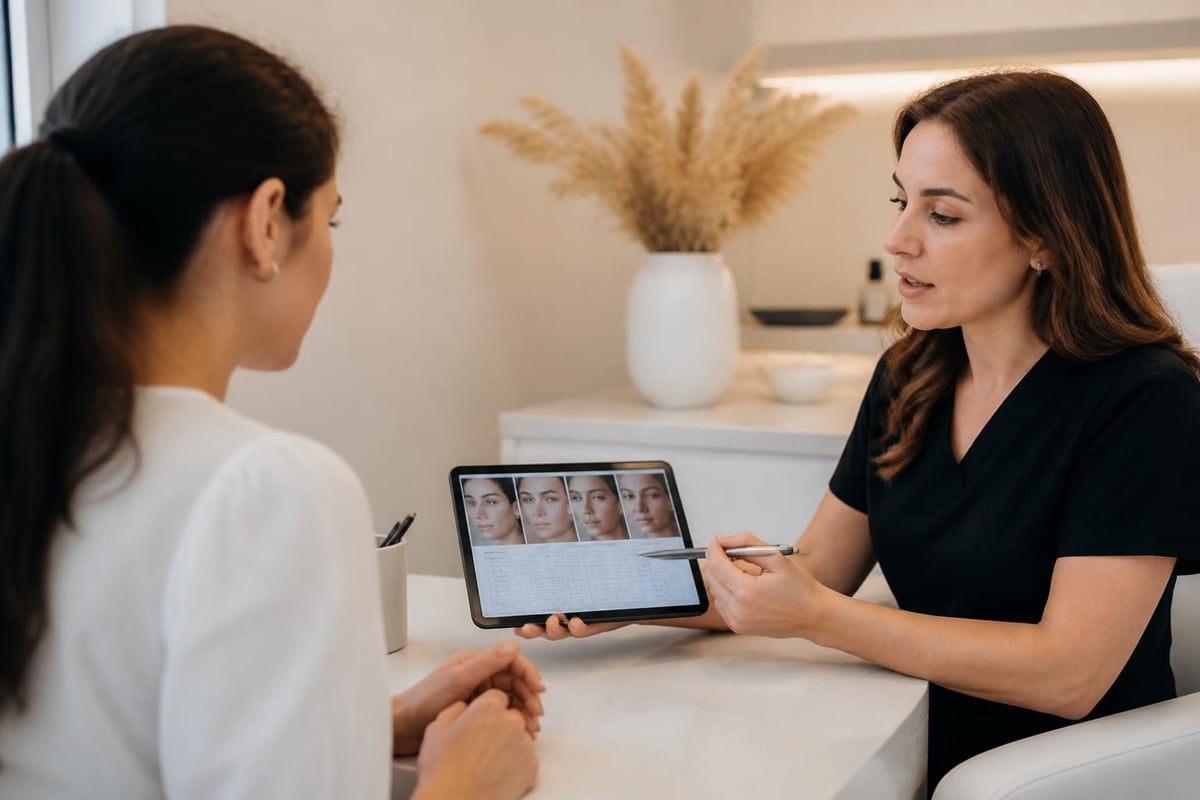
Toronto patients exploring advanced aesthetic treatments should prioritize providers who offer transparent pricing, comprehensive pre-treatment education, and demonstrated expertise with CO2 laser technology.
Pre-Treatment Preparation Impact on Investment
Proper skin preparation optimizes treatment outcomes while potentially reducing complication risks that could increase total costs. Most providers recommend 4-6 weeks of pre-treatment conditioning using prescription retinoids, hydroquinone for pigmentation concerns, and medical-grade antioxidants.
These preparatory products typically cost $150-$400 but significantly improve skin's ability to heal efficiently and achieve optimal results. Patients with certain skin types may require extended pre-treatment protocols to minimize post-inflammatory hyperpigmentation risks.
Medical Clearance Requirements
Some patients require additional medical evaluations before proceeding with CO2 laser treatments:
- Cardiovascular clearance for patients with heart conditions
- Infectious disease testing for certain medical histories
- Dermatological evaluation for suspicious lesions
- Mental health assessment for patients with body dysmorphic concerns
While these consultations add to total expenses, they ensure patient safety and appropriate treatment selection. The comprehensive information about CO2 laser resurfacing emphasizes the importance of thorough medical screening before treatment.
Geographic Considerations for Toronto Patients
Toronto's competitive aesthetic market offers patients numerous options across various price points. The city's concentration of board-certified dermatologists and plastic surgeons provides access to highly qualified providers utilizing the latest technology platforms.
Patients should consider convenience factors beyond simple price comparison. Downtown locations may charge premium prices but offer easier access for multiple post-treatment follow-up appointments. Suburban practices might provide more competitive pricing while requiring additional travel during recovery periods when comfort is paramount.
Local Market Dynamics
Toronto's multicultural population creates unique considerations for CO2 laser treatments:
- Diverse skin types requiring specialized expertise
- Varying cultural attitudes toward aesthetic procedures
- Language accessibility for consultation and consent processes
- Community reputation and referral networks
Selecting providers experienced with your specific skin type and concerns ensures appropriate treatment parameters that optimize results while minimizing complication risks that could increase total investment required.
Making Informed Investment Decisions
The co2 treatment cost represents a significant financial commitment that deserves careful consideration and research. Patients should evaluate multiple qualified providers, request detailed price quotes including all associated expenses, and verify credentials thoroughly before proceeding.
Prioritizing safety and expertise over lowest pricing protects both your health and financial investment. Complications from improperly performed treatments can require corrective procedures costing substantially more than the initial savings from budget providers.
Decision-making framework for CO2 laser investment:
- Research provider qualifications and technology platforms
- Schedule consultations with multiple practices
- Request itemized pricing including all associated costs
- Verify before-and-after photos of similar skin types and concerns
- Read verified patient reviews from multiple sources
- Understand the complete recovery timeline and requirements
- Confirm financing options and payment policies
Quality aesthetic treatments at facilities offering personalized services for skin rejuvenation deliver results that justify the investment through enhanced confidence, improved skin health, and long-lasting aesthetic improvements.
Understanding the complete picture of co2 treatment cost empowers patients to make informed decisions aligned with their aesthetic goals and financial parameters. The investment in CO2 laser resurfacing extends beyond the initial treatment fee to encompass preparation, recovery products, and potential maintenance sessions that preserve and extend results. If you're considering CO2 laser resurfacing in Toronto, the expert team at New Skin Laser Clinic offers personalized consultations to assess your specific needs, provide transparent pricing information, and develop customized treatment plans that deliver exceptional results with advanced technology and experienced care.