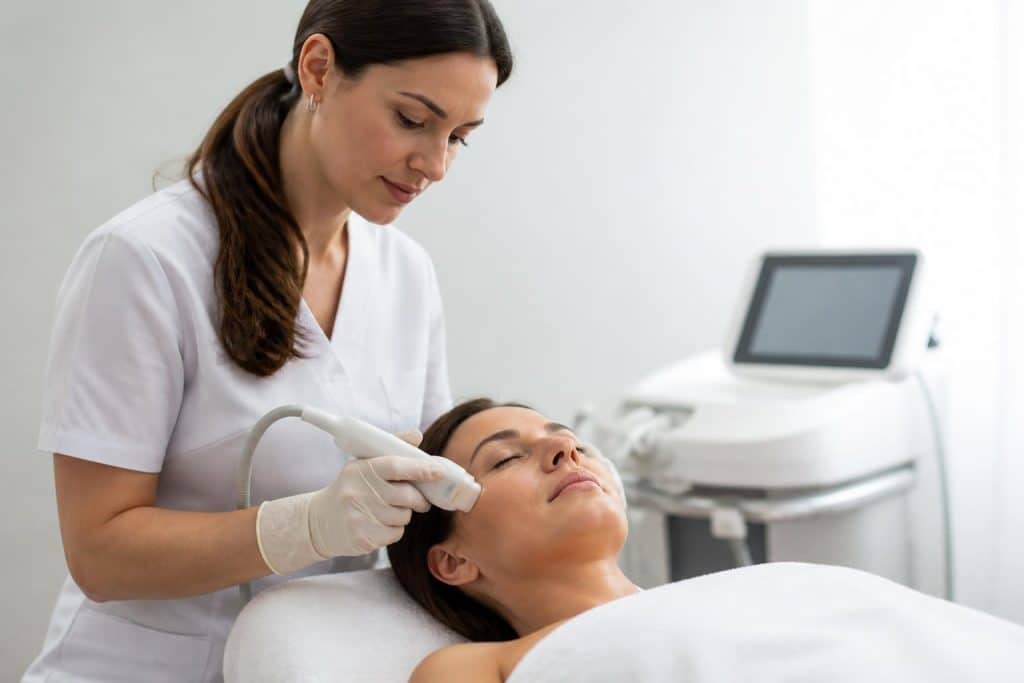
The landscape of aesthetic medicine has evolved dramatically over the past decade, with dermal clinics emerging as specialized centers that bridge the gap between traditional dermatology and cosmetic enhancement. These facilities combine medical expertise with advanced technology to address a wide range of skin concerns, from aging and pigmentation to texture irregularities and unwanted hair. Whether you're seeking preventative care or corrective treatments, understanding what dermal clinics offer and how to select the right provider can significantly impact your results and overall experience.
Understanding the Role of Modern Dermal Clinics
Dermal clinics function as specialized aesthetic centers that provide medical-grade treatments designed to improve skin health and appearance. Unlike traditional spas or beauty salons, these clinics employ trained medical professionals who can perform advanced procedures requiring specialized knowledge and equipment.
The primary distinction lies in the clinical approach to skin care. Professional dermal clinics assess each client's unique skin type, concerns, and goals before recommending treatment protocols. This personalized methodology ensures that treatments address underlying issues rather than simply providing temporary cosmetic improvements.
Services Commonly Offered
Most dermal clinics provide a comprehensive menu of services that address various aesthetic concerns:
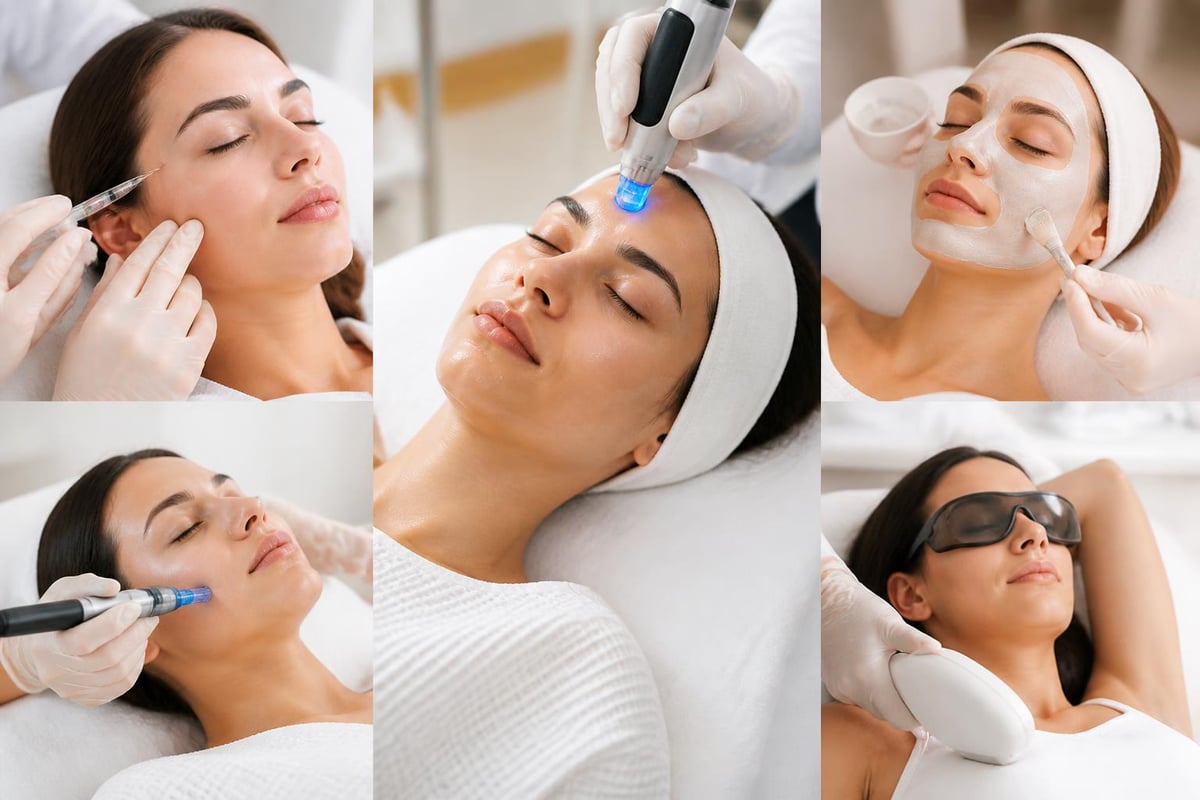
- Laser treatments for hair removal, skin resurfacing, and pigmentation correction
- Injectable treatments including dermal fillers and muscle relaxants
- Chemical peels ranging from superficial to deep exfoliation
- Microneedling and radiofrequency procedures for collagen stimulation
- IPL photofacials targeting sun damage and vascular concerns
- Medical-grade facials with prescription-strength products
Each treatment category serves specific purposes, and many clients benefit from combining multiple modalities for optimal results. For instance, Lumecca IPL photofacial treatments work exceptionally well when paired with proper post-treatment skin care protocols.
Technology and Equipment Standards
The quality of equipment used in dermal clinics directly impacts treatment safety and efficacy. Advanced facilities invest in FDA-approved devices that have undergone rigorous testing and clinical trials. This commitment to state-of-the-art technology ensures that clients receive treatments backed by scientific research and proven results.
Modern laser systems, for example, offer precise targeting capabilities that minimize damage to surrounding tissue while effectively treating the intended concern. Facilities specializing in advanced laser treatments typically maintain their equipment according to manufacturer specifications and upgrade technology as innovations emerge.
Quality Indicators to Consider
| Factor | What to Look For | Why It Matters |
|---|---|---|
| Device Certification | FDA or Health Canada approval | Ensures safety and efficacy standards |
| Staff Training | Certified technicians and licensed practitioners | Proper technique reduces complications |
| Maintenance Protocols | Regular calibration and servicing | Consistent treatment outcomes |
| Technology Currency | Equipment updated within 3-5 years | Access to latest innovations |
Beyond equipment, the physical environment of dermal clinics should reflect medical-grade cleanliness standards. Proper sterilization protocols, disposable items where appropriate, and adherence to health regulations protect client safety and prevent cross-contamination.
Selecting a Qualified Provider
Choosing the right dermal clinic requires careful evaluation of credentials, experience, and reputation. The expertise of practitioners performing treatments significantly influences both safety and results. The American Society of Plastic Surgeons offers guidance on selecting a qualified plastic surgeon for dermal filler procedures, emphasizing board certification and comprehensive training.
When evaluating potential providers, consider these essential factors:
- Professional qualifications of all staff members performing treatments
- Years of experience specifically with the procedures you're considering
- Before-and-after portfolios demonstrating consistent, natural-looking results
- Client testimonials and third-party reviews from verified patients
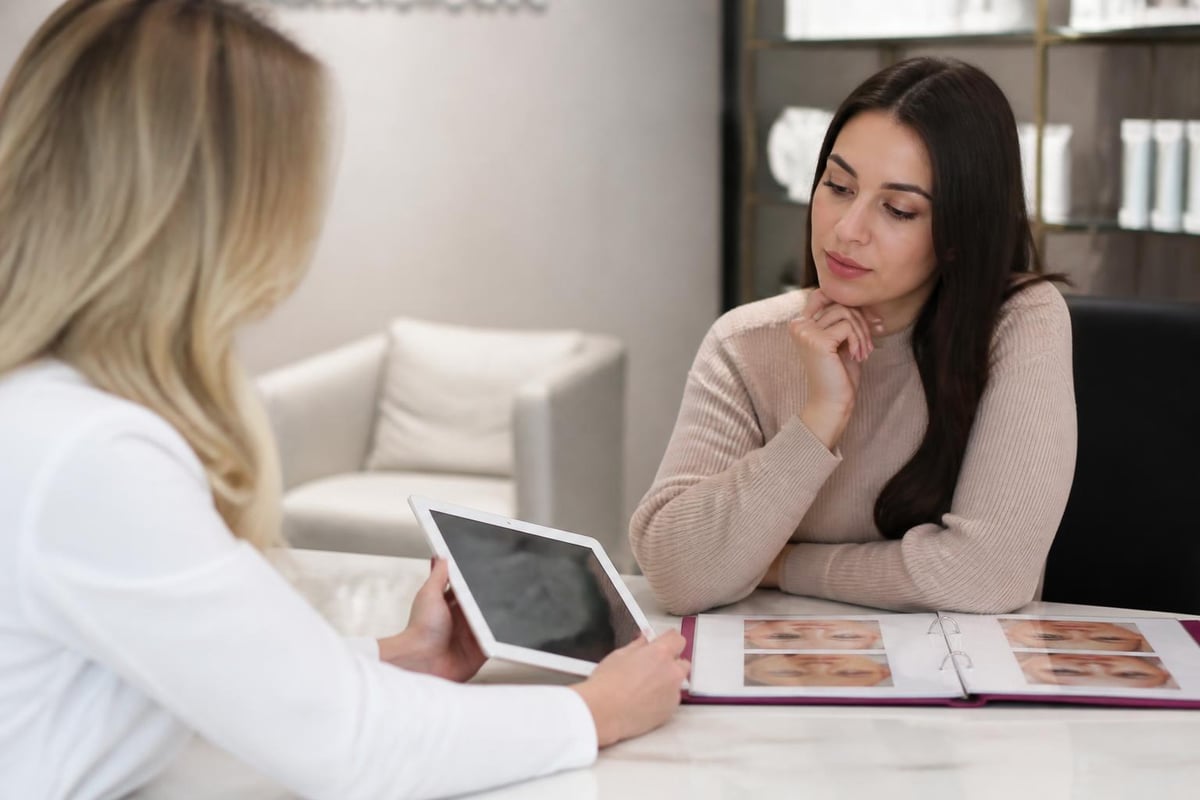
- Consultation process that includes thorough assessment and realistic expectations
The consultation represents your opportunity to assess the clinic's approach to client care. Quality providers take time to understand your concerns, explain treatment options in detail, and discuss potential risks alongside expected benefits.
Red Flags to Avoid
Not all dermal clinics maintain the same standards of care. The American Academy of Dermatology highlights unsafe skin care trends, including risks associated with unqualified practitioners performing advanced treatments. Warning signs include:
- Pressure to book treatments immediately without adequate consultation time
- Prices significantly below market average for premium treatments
- Unwillingness to discuss credentials or training backgrounds
- Lack of proper informed consent documentation
- Promises of unrealistic results or guaranteed outcomes
Trust your instincts when something feels questionable. Reputable dermal clinics prioritize patient safety and long-term satisfaction over immediate sales.
Treatment Safety and Protocols
Safety represents the foundation of quality care in dermal clinics. Comprehensive safety protocols protect clients throughout the treatment journey, from initial consultation through post-procedure care. Key safety protocols for dermal filler injections provide clinics with best practices that extend to various treatment types.
Pre-Treatment Considerations
Before any procedure, qualified practitioners conduct thorough assessments that include:
- Medical history review identifying contraindications or potential complications
- Skin analysis determining appropriate treatment parameters
- Allergy screening when applicable to specific products or medications
- Medication review noting substances that may affect healing or results
- Realistic expectation setting through detailed treatment planning discussions
This preparation phase allows dermal clinics to customize treatment protocols for individual needs while minimizing risks. Clients should feel comfortable disclosing all relevant health information, as transparency enables practitioners to make informed decisions about treatment suitability.
During and After Treatment
Professional dermal clinics maintain strict protocols during treatment sessions:
| Safety Measure | Implementation | Purpose |
|---|---|---|
| Sterile Technique | Single-use needles, sanitized equipment | Infection prevention |
| Proper Anesthesia | Topical numbing or local anesthetic when needed | Client comfort and movement reduction |
| Conservative Approach | Starting with minimal effective doses | Gradual enhancement with adjustment opportunities |
| Immediate Monitoring | Observation for adverse reactions | Early intervention if complications arise |
Post-treatment care instructions are equally important. Quality providers supply detailed aftercare guidelines specific to each procedure, including activity restrictions, skin care modifications, and signs requiring immediate medical attention.
Advanced Diagnostic Technologies
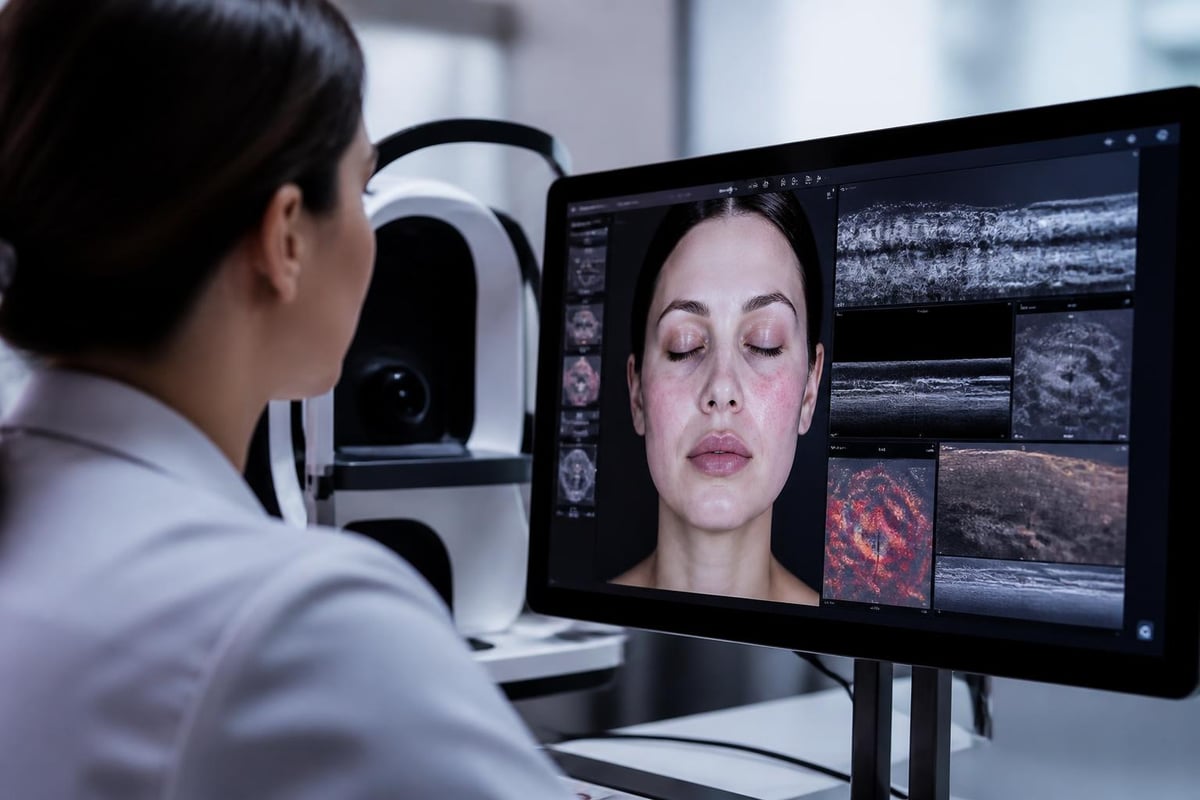
Innovation continues to enhance how dermal clinics assess and treat skin conditions. Artificial intelligence and imaging technologies now support more accurate diagnoses and treatment planning. Research on ultrahigh resolution optical coherence tomography in dermatology demonstrates the value of advanced imaging for delineating skin structures with unprecedented precision.
These diagnostic tools allow practitioners to:
- Visualize skin damage beneath the surface before it becomes visible
- Monitor treatment progress through objective measurements
- Identify concerns earlier when intervention proves most effective
- Customize treatment intensity based on individual skin characteristics
Machine learning applications are also transforming dermal clinics' capabilities. Studies like those on Dermo-DOCTOR frameworks using deep convolutional neural networks highlight how AI assists with concurrent skin lesion detection and recognition, improving diagnostic accuracy.
Ensuring Inclusive Care
As technology advances, dermal clinics must prioritize inclusive practices that serve diverse client populations effectively. Research assessing disparities in dermatology AI emphasizes the need for diverse clinical images to improve diagnostic accuracy across different skin tones. Quality clinics invest in training and technology that addresses the unique needs of all skin types and tones.
Common Treatment Categories Explained
Understanding popular treatment options helps clients make informed decisions about their aesthetic goals. Dermal clinics typically organize services into several main categories, each addressing specific concerns through proven methodologies.
Laser-Based Treatments
Laser technology represents one of the most versatile tools in modern dermal clinics. Different wavelengths target specific chromophores in the skin, allowing precise treatment of various concerns without affecting surrounding tissue.
Hair Removal: Uses selective photothermolysis to disable hair follicles permanently. Most clients require multiple sessions spaced several weeks apart for optimal results.
Skin Resurfacing: Ablative and non-ablative lasers stimulate collagen production while improving texture, tone, and pigmentation. Recovery time varies based on treatment intensity.
Vascular Treatments: Target hemoglobin in blood vessels to reduce redness, broken capillaries, and certain types of scarring.
Pigmentation Correction: Break apart melanin deposits responsible for age spots, sun damage, and uneven skin tone.
Facilities offering PicoWay tattoo removal demonstrate the specialized applications of laser technology beyond traditional aesthetic concerns.
Skin Rejuvenation Procedures
Non-laser rejuvenation treatments at dermal clinics stimulate the skin's natural healing response to promote collagen production and cellular turnover:
- Microneedling: Creates controlled micro-injuries that trigger repair processes
- Chemical Peels: Use acid solutions to remove damaged outer layers
- Radiofrequency: Delivers heat energy to deeper skin layers for tightening effects
- IPL Photofacials: Broad-spectrum light treats multiple concerns simultaneously
Many clients combine these modalities for comprehensive skin improvement. Eclipse microneedling treatments often pair well with other rejuvenation procedures for enhanced outcomes.
Customized Treatment Planning
The most effective dermal clinics recognize that no single protocol suits every client. Customization begins with comprehensive assessment and continues throughout the treatment journey with adjustments based on response and evolving goals.
Initial Assessment Process
A thorough evaluation includes:
- Skin type classification using the Fitzpatrick scale
- Concern prioritization identifying primary and secondary goals
- Lifestyle factor consideration including sun exposure, smoking, and skin care habits
- Budget discussion creating realistic treatment timelines
- Combined modality planning when multiple treatments offer synergistic benefits
This detailed approach ensures that recommended treatments align with individual circumstances and expectations. Quality dermal clinics document these assessments thoroughly and refer to them when adjusting protocols or adding new treatments.
Progressive Treatment Strategies
Rather than attempting dramatic changes in single sessions, experienced practitioners often recommend gradual enhancement through progressive treatments:
| Approach | Timeline | Benefits |
|---|---|---|
| Conservative Starting Points | Begin with minimal effective treatment | Allows assessment of individual response |
| Scheduled Follow-Ups | Treatments spaced appropriately for healing | Builds results incrementally with lower risk |
| Periodic Reassessment | Evaluate progress every 3-6 months | Adjusts protocols based on outcomes |
| Maintenance Planning | Ongoing care after achieving initial goals | Preserves results long-term |
This methodology reduces complication risks while building natural-looking improvements that enhance rather than alter fundamental appearance.
Investment and Value Considerations
Aesthetic treatments at dermal clinics represent significant financial investments that vary widely based on treatment type, provider experience, geographic location, and equipment quality. Understanding pricing structures helps clients make informed decisions aligned with their budgets and goals.
Factors Affecting Treatment Costs
Multiple variables influence pricing at dermal clinics:
Provider Credentials: Highly experienced practitioners and medical doctors typically charge premium rates reflecting their expertise and training investments.
Equipment Quality: Newer, FDA-approved devices with proven safety records cost more to purchase and maintain, influencing per-treatment pricing.
Geographic Location: Metropolitan areas like Toronto generally have higher operating costs that translate to treatment pricing.
Treatment Complexity: Procedures requiring more time, precision, or product usage naturally cost more than simpler treatments.
Package vs. Single Session: Many dermal clinics offer package pricing that reduces per-treatment costs when clients commit to multiple sessions.
Evaluating True Value
The lowest price rarely represents the best value when selecting dermal clinics. Consider these factors when assessing cost versus benefit:
- Practitioner experience and complication rates
- Quality and authenticity of products used
- Comprehensive consultation and follow-up care
- Realistic treatment planning without overselling
- Long-term results rather than temporary improvements
Investing in quality care from the outset typically proves more cost-effective than correcting complications from inadequate treatment or requiring additional sessions due to suboptimal results.
Emerging Trends in Dermal Clinic Services
The aesthetic medicine field continues evolving rapidly, with dermal clinics adopting new technologies and treatment approaches that offer improved results with enhanced safety profiles. Staying informed about these developments helps clients access the most effective options for their concerns.
Combination Treatments
Modern dermal clinics increasingly recommend synergistic treatment combinations that address multiple skin layers and concerns simultaneously. These protocols often produce superior results compared to single modality approaches:
- Laser resurfacing paired with growth factor serums
- Microneedling combined with radiofrequency energy
- Chemical peels followed by LED light therapy
- IPL treatments with targeted laser for specific concerns
The science supporting combination approaches continues strengthening, with clinical studies demonstrating enhanced collagen production, improved texture, and longer-lasting results when compatible treatments work together.
Preventative Aesthetic Medicine
Rather than waiting until significant aging signs appear, younger clients increasingly seek dermal clinics for preventative treatments. This proactive approach focuses on:
- Sun damage reversal before deep pigmentation develops
- Early collagen stimulation to maintain skin firmness
- Fine line prevention through strategic treatments
- Skin quality optimization through medical-grade products
This shift toward prevention represents a fundamental change in how dermal clinics approach aesthetic medicine, emphasizing long-term skin health alongside immediate cosmetic improvements.
Personalized Product Protocols
Beyond in-office treatments, leading dermal clinics now develop customized home care regimens using medical-grade products. These protocols extend and enhance in-office treatment results through:
- Prescription-strength active ingredients unavailable in retail products
- Targeted formulations for specific skin types and concerns
- Strategic layering sequences that maximize ingredient efficacy
- Seasonal adjustments accounting for environmental changes
Professional guidance ensures clients use appropriate products in correct concentrations, avoiding the common pitfalls of self-prescribed routines that may irritate skin or counteract professional treatments.
The Importance of Realistic Expectations
One crucial aspect distinguishing reputable dermal clinics from questionable providers is honest communication about treatment capabilities and limitations. While modern aesthetic medicine offers remarkable results, maintaining realistic expectations prevents disappointment and supports informed decision-making.
What Treatments Can Achieve
Professional dermal clinics can significantly improve:
- Skin texture and smoothness through resurfacing procedures
- Pigmentation irregularities including sun damage and melasma
- Fine lines and moderate wrinkles via collagen stimulation
- Vascular concerns like broken capillaries and redness
- Unwanted hair through permanent reduction protocols
- Overall skin quality including tone, clarity, and radiance
These improvements enhance natural appearance rather than creating artificial results. The goal centers on looking like the best version of yourself, not like someone completely different.
Understanding Limitations
Equally important is recognizing what aesthetic treatments cannot accomplish:
| Limitation | Realistic Alternative |
|---|---|
| Cannot stop biological aging | Can slow visible signs and maintain improvements |
| Cannot change fundamental facial structure | Can enhance features through strategic volume placement |
| Cannot eliminate deep wrinkles in single sessions | Can significantly improve through progressive treatments |
| Cannot guarantee identical results for all clients | Can achieve noticeable improvement customized to individual response |
Honest practitioners at dermal clinics discuss these realities during consultations, ensuring clients understand both possibilities and constraints before proceeding with treatment plans.
Continuing Care and Maintenance
Achieving desired results represents only the beginning of the aesthetic journey. Dermal clinics emphasize the importance of maintenance protocols that preserve improvements and support ongoing skin health. This long-term perspective differentiates medical aesthetics from temporary cosmetic solutions.
Maintenance Treatment Schedules
Different procedures require varying maintenance approaches:
Laser Hair Removal: Annual touch-up sessions address hormonal changes or new growth patterns.
Skin Rejuvenation: Quarterly or biannual treatments maintain collagen levels and address ongoing environmental damage.
Injectable Treatments: Scheduled appointments every 3-12 months depending on product type and individual metabolism.
Chemical Peels: Regular sessions at intervals appropriate to peel depth and skin response.
Quality dermal clinics develop personalized maintenance schedules during initial treatment planning, helping clients budget and plan for ongoing care.
Home Care Integration
Professional treatments achieve optimal results when supported by appropriate daily skin care. Dermal clinics typically recommend:
- Broad-spectrum sunscreen application regardless of weather or season
- Medical-grade cleansers and moisturizers suited to skin type
- Active ingredients like retinoids, antioxidants, and growth factors
- Gentle exfoliation appropriate to treatment schedule
- Hydration and nutrition supporting skin health from within
This comprehensive approach recognizes that skin health results from multiple factors working synergistically. For personalized recommendations and professional consultations, clients can contact qualified providers who understand individual needs.
Selecting quality dermal clinics requires careful evaluation of credentials, technology, safety protocols, and treatment philosophy to ensure optimal results and client safety. Whether you're seeking preventative care, corrective treatments, or ongoing maintenance, finding providers who prioritize personalized assessment and realistic expectations makes all the difference. New Skin Laser Clinic combines expert estheticians with state-of-the-art technology to deliver customized aesthetic treatments in the heart of Toronto, helping clients achieve radiant, youthful skin through evidence-based protocols and individualized care plans.