
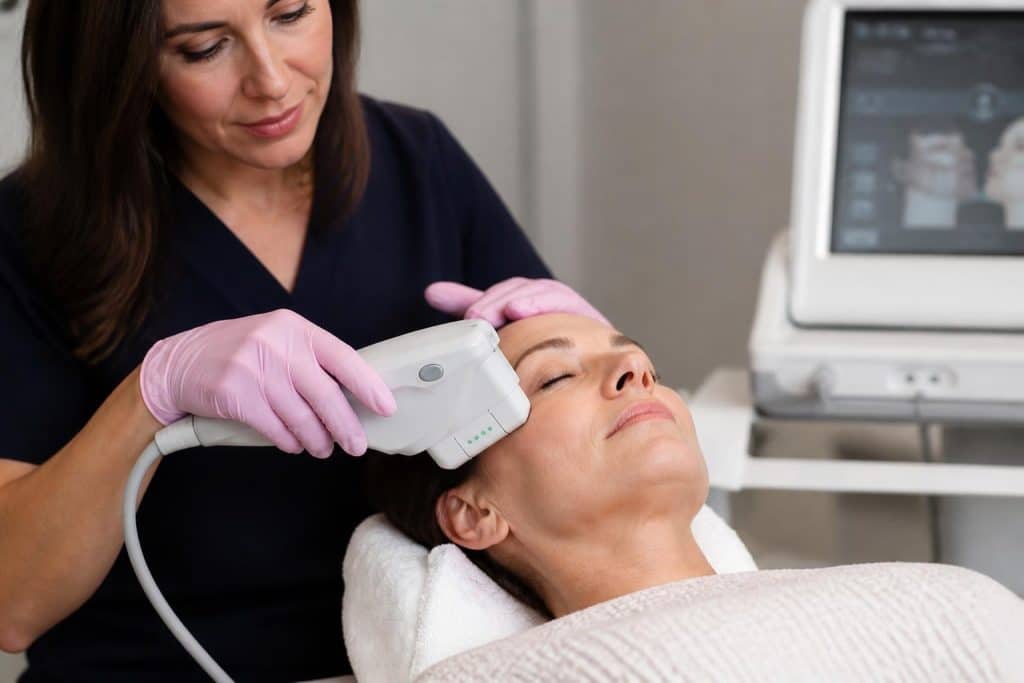
Advanced skin rejuvenation has evolved beyond traditional surgical facelifts, offering patients innovative solutions that deliver natural-looking results without extended downtime. Among these breakthrough technologies, the ulthera laser represents a sophisticated approach to addressing skin laxity, wrinkles, and loss of elasticity. This FDA-cleared treatment utilizes focused ultrasound energy to stimulate the body's natural collagen production, providing gradual lifting and tightening effects that continue to improve over several months. Understanding how this technology works, which areas it treats most effectively, and what results you can realistically expect helps you make informed decisions about your aesthetic treatment journey.
Understanding Ulthera Laser Technology
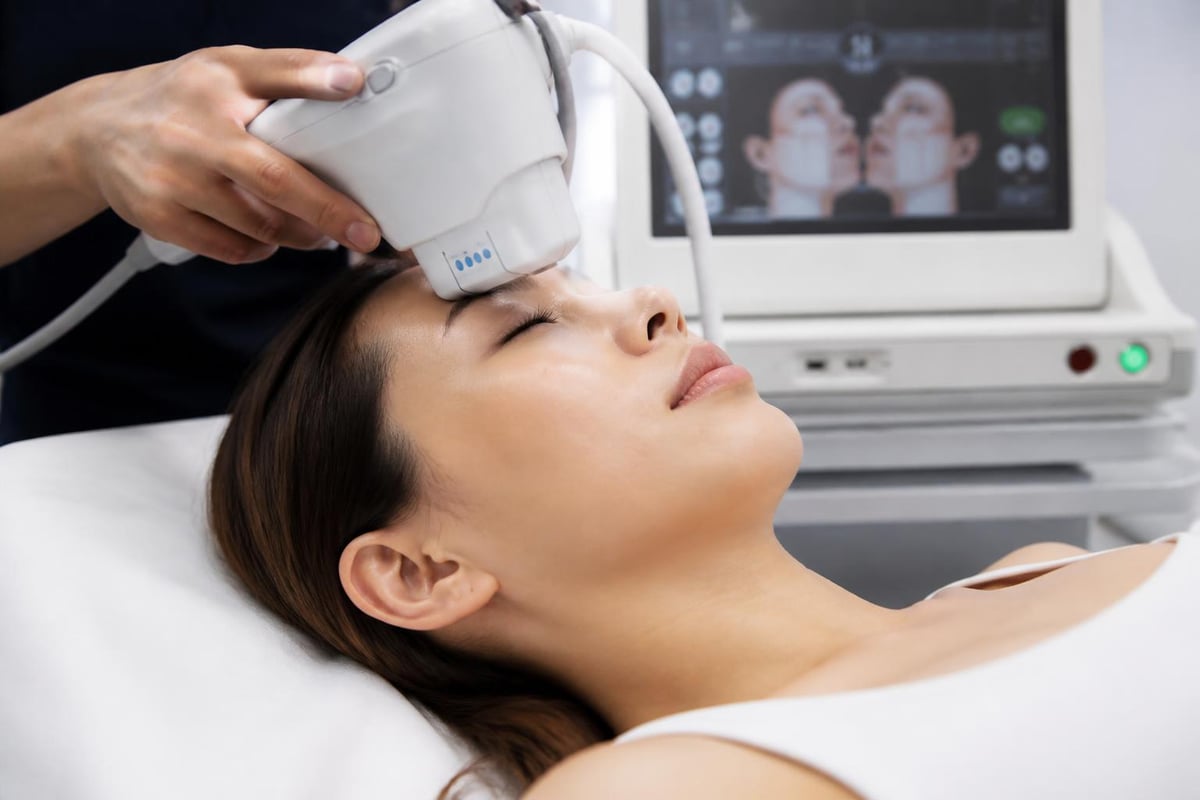
The ulthera laser system stands apart from conventional laser treatments through its unique application of micro-focused ultrasound technology. Rather than using light-based energy, this system delivers precise thermal energy to specific depths beneath the skin's surface without damaging surrounding tissue.
The technology targets the same foundational layer that plastic surgeons address during surgical facelifts, known as the superficial muscular aponeurotic system (SMAS). By reaching depths of up to 4.5 millimeters beneath the skin, the treatment triggers a natural healing response that produces fresh collagen over time.
The Science Behind Ultrasound Energy
Ultrasound technology has been used safely in medical settings for decades, from prenatal imaging to therapeutic applications. The ulthera laser adapts this proven science for aesthetic purposes by concentrating energy into tiny focal points.
Key mechanisms include:
- Thermal coagulation points that initiate the wound-healing cascade
- Preservation of the skin's surface while treating deep tissue
- Precise targeting through real-time ultrasound visualization
- Controlled heating that reaches optimal temperatures for collagen remodeling
The device features proprietary imaging capabilities that allow practitioners to visualize tissue layers during treatment. This ensures accurate energy delivery to the most beneficial depths for each patient's unique anatomy.
Treatment Areas and Applications
The versatility of the ulthera laser makes it suitable for addressing multiple concerns across various facial and body regions. Each treatment area benefits from customized depth settings and energy levels tailored to the tissue characteristics.
Facial Rejuvenation
The face represents the most common treatment zone, where subtle lifting can create dramatic improvements in overall appearance. The brow area receives particular attention, as even minor elevation can open the eyes and create a more refreshed expression.
Jawline definition often deteriorates with age as skin loses its structural support. The ulthera laser addresses this concern by tightening the tissue along the mandibular border, restoring sharper contours and reducing the appearance of jowls.
| Treatment Zone | Primary Benefits | Typical Depth Settings |
|---|---|---|
| Brow | Lift and eye opening | 3.0mm – 4.5mm |
| Cheeks | Volume restoration, contouring | 3.0mm – 4.5mm |
| Jawline | Definition, jowl reduction | 3.0mm – 4.5mm |
| Neck | Tightening, smoothing | 3.0mm – 4.5mm |
| Décolletage | Texture improvement, wrinkle reduction | 3.0mm |
Neck and Décolletage
The neck and chest areas reveal age through horizontal lines, crepey texture, and sagging skin. These delicate regions respond well to ultrasound energy delivered at appropriate depths, though they typically require gentler treatment parameters than facial areas.
Clinical studies have demonstrated the effectiveness of ultrasound technology for addressing chest wrinkles and improving skin quality in the décolletage region. Results in these areas continue to develop for up to six months following treatment.
The Treatment Experience
Understanding what happens during and after an ulthera laser session helps set realistic expectations and ensures proper preparation. The experience differs significantly from ablative laser procedures that remove surface skin layers.
Pre-Treatment Consultation
A thorough assessment at facilities like New Skin Laser Clinic begins with evaluating skin quality, degree of laxity, and treatment goals. Practitioners examine facial anatomy, discuss medical history, and determine whether you represent an ideal candidate for this technology.
Ideal candidates typically exhibit:
- Mild to moderate skin laxity
- Good overall skin quality
- Realistic expectations about gradual improvement
- Commitment to the collagen-building timeline
Patients with severe sagging, significant volume loss, or those seeking immediate dramatic changes may benefit more from surgical intervention or combination approaches with dermal fillers.
During the Procedure
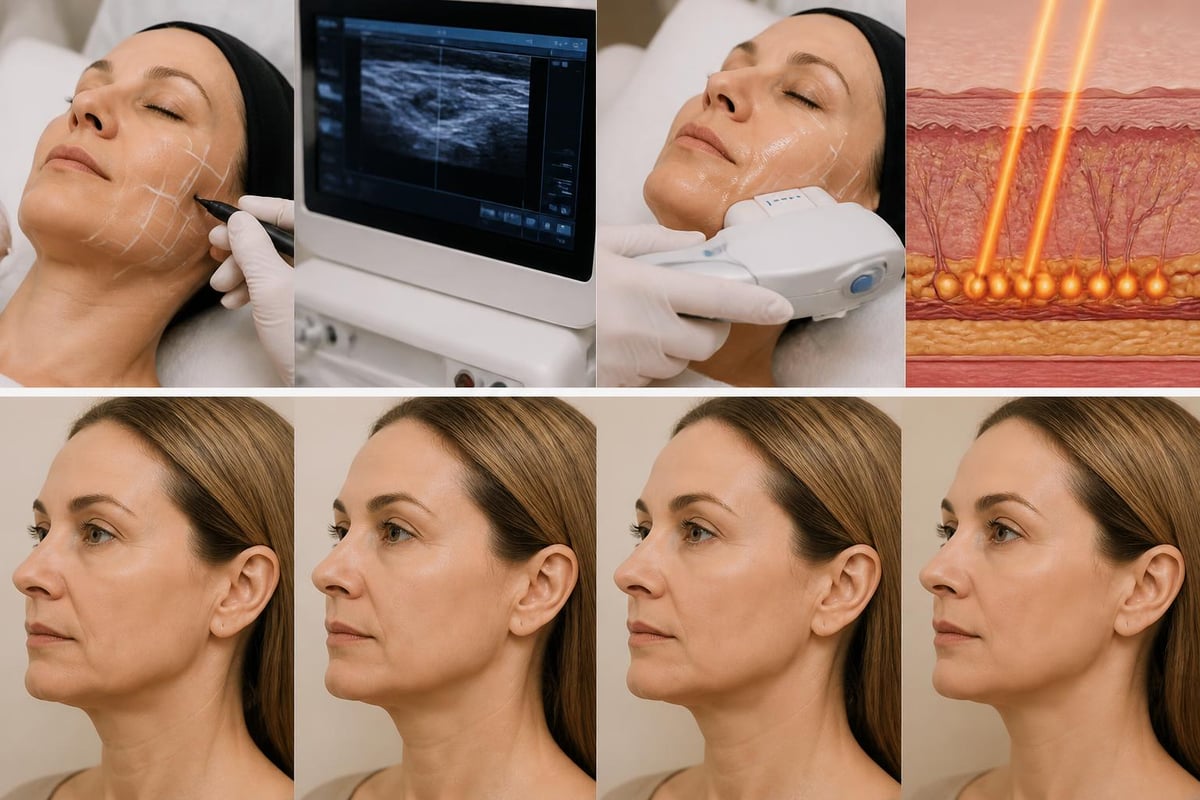
The treatment session typically lasts between 60 and 90 minutes, depending on the number of areas addressed. After cleansing the skin, practitioners apply ultrasound gel and use the handheld device to deliver energy in a systematic pattern across treatment zones.
Many patients describe the sensation as brief moments of warmth or tingling as energy passes through tissue layers. Some areas prove more sensitive than others, with bony regions like the jawline often generating more noticeable sensations.
Pain management options include:
- Oral pain medication taken 30-60 minutes before treatment
- Topical numbing cream applied to sensitive areas
- Cooling techniques between passes
- Adjustments to energy levels based on comfort tolerance
The real-time imaging capability allows practitioners to monitor tissue response and adjust parameters throughout the session, ensuring optimal energy delivery while maintaining patient comfort.
Post-Treatment Recovery
One of the most appealing aspects of the ulthera laser involves minimal downtime compared to surgical alternatives. Most patients resume normal activities immediately, though some temporary effects may occur.
Common post-treatment responses include slight redness, mild swelling, and tenderness in treated areas. These effects typically resolve within hours to a few days. Occasionally, patients experience temporary numbness or tingling as nerves respond to the thermal stimulus.
Results Timeline and Longevity
The ulthera laser works with your body's natural processes, meaning results emerge gradually rather than appearing immediately after treatment. This progressive improvement aligns with the collagen remodeling cycle that unfolds over several months.
Short-Term Changes
Some patients notice subtle tightening effects within the first few weeks as existing collagen contracts from the thermal stimulus. However, these initial changes represent only the beginning of the transformation process.
The first month following treatment focuses on initiating the wound-healing response. During this period, fibroblasts begin producing new collagen and elastin fibers that will eventually replace aged, damaged tissue.
Peak Results
Most patients observe their most significant improvements between two and four months post-treatment, with changes continuing through the sixth month. The nonsurgical nature of this approach means results develop subtly, creating natural-looking enhancement that doesn't dramatically alter facial characteristics.
Timeline breakdown:
- Weeks 1-4: Initial tissue contraction, healing response activation
- Months 2-3: Visible tightening, improved skin texture, subtle lifting
- Months 4-6: Peak collagen production, maximum tightening effect
- Beyond 6 months: Continued improvement possible, results stabilize
Duration of Results
The longevity of ulthera laser results varies among individuals based on factors including age, skin quality, lifestyle habits, and genetic predisposition to aging. Most patients enjoy noticeable improvements for 12 to 24 months following a single treatment session.
The natural aging process continues after treatment, though the newly produced collagen provides enhanced structural support. Some patients choose maintenance treatments every 12 to 18 months to sustain their results and address ongoing age-related changes.
Comparing Treatment Options for Skin Laxity
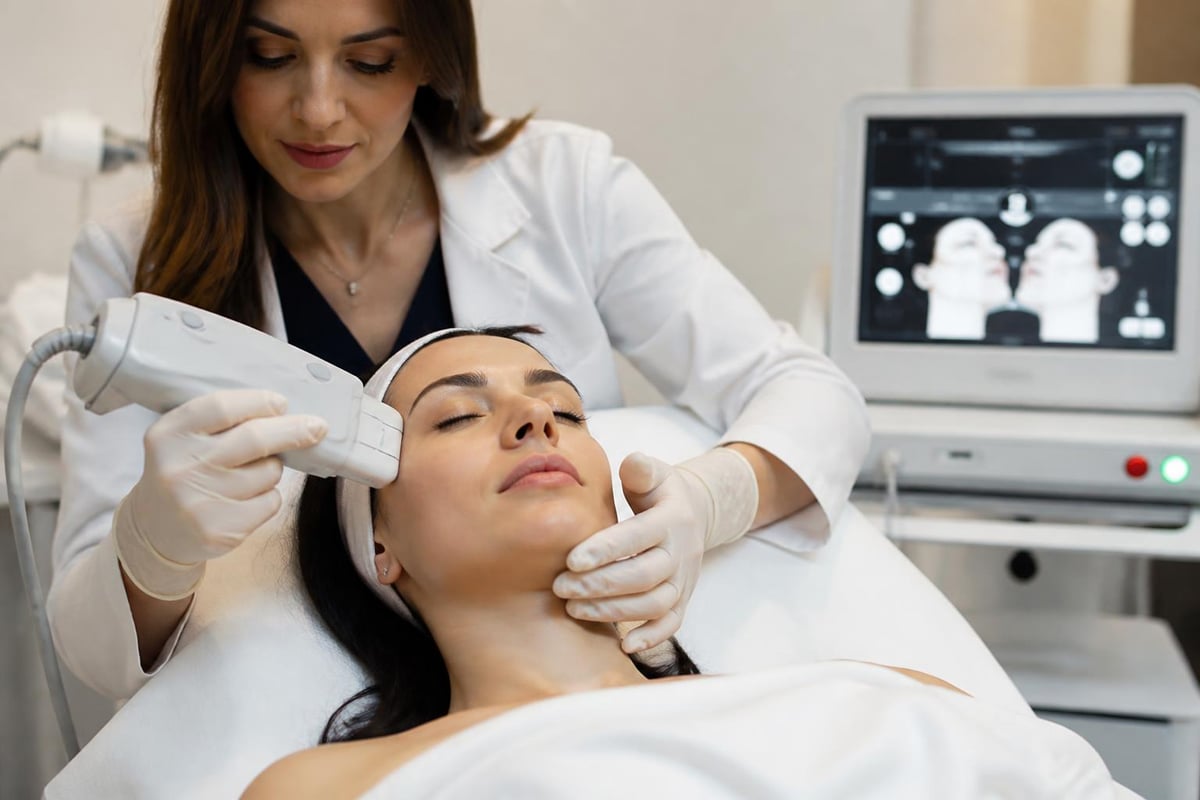
The aesthetic industry offers numerous approaches to addressing skin laxity, each with distinct mechanisms, benefits, and limitations. Understanding how the ulthera laser compares to alternatives helps you select the most appropriate option.
Non-Invasive Alternatives
Various treatments for skin laxity exist within the non-invasive category, utilizing different energy sources to achieve tightening effects. Radiofrequency devices heat tissue through electromagnetic waves, while infrared light-based systems target water content in the dermis.
| Treatment Type | Energy Source | Depth Penetration | Downtime | Results Duration |
|---|---|---|---|---|
| Ulthera | Focused ultrasound | Up to 4.5mm | Minimal | 12-24 months |
| Radiofrequency | Electromagnetic waves | 2-3mm | None to minimal | 6-12 months |
| Laser resurfacing | Light energy | Surface to 1mm | Moderate to significant | 12-36 months |
| Thread lifts | Mechanical suspension | Variable | Minimal to moderate | 12-18 months |
The ulthera laser's ability to reach deeper tissue layers without surface disruption distinguishes it from many competing technologies. This depth advantage allows treatment of the foundational support structures that surgical procedures address.
Surgical Comparisons
Traditional facelift surgery remains the gold standard for addressing severe skin laxity and significant sagging. However, surgery requires anesthesia, incisions, extended recovery periods, and carries inherent risks associated with invasive procedures.
The ulthera laser serves patients seeking improvement without surgical commitment, those in earlier stages of aging, or individuals maintaining previous surgical results. It cannot replicate the dramatic lifting achieved through surgery but offers meaningful enhancement through less invasive means.
Safety Profile and Considerations
The FDA clearance of the Ulthera System provides assurance regarding its safety and efficacy when used appropriately by trained practitioners. Understanding potential risks and contraindications ensures informed decision-making.
Clinical Evidence
Extensive clinical research supports the safety and effectiveness of ultrasound technology for skin tightening applications. Studies demonstrate consistent improvement in brow lifting, submental tightening, and facial contouring with minimal adverse events.
Research into periorbital applications shows promise for treating delicate eye area concerns, though practitioners must exercise particular caution in these sensitive regions.
Potential Side Effects
Most patients experience only mild, temporary effects following treatment. Serious complications remain rare when procedures are performed by qualified professionals using appropriate technique and settings.
Possible side effects include:
- Temporary redness and swelling
- Bruising in treated areas
- Tingling or numbness lasting days to weeks
- Rare nerve injury causing temporary facial weakness
- Uneven results requiring touch-up treatment
Selecting an experienced practitioner familiar with facial anatomy significantly reduces the likelihood of complications and optimizes treatment outcomes.
Contraindications
Certain conditions preclude ulthera laser treatment or require special consideration. Open wounds, active infections, or severe cystic acne in treatment areas necessitate postponement until resolution.
Patients with implanted electrical devices, such as pacemakers, should avoid ultrasound treatments due to potential interference. Those with bleeding disorders or taking anticoagulant medications face increased bruising risk and may require medication adjustment before treatment.
Optimizing Your Treatment Results
Maximizing the benefits of ulthera laser technology involves proper preparation, realistic expectations, and post-treatment care that supports the collagen-building process.
Pre-Treatment Preparation
Begin your preparation several weeks before your scheduled session by optimizing overall skin health. Adequate hydration supports cellular function and healing capacity, while quality nutrition provides building blocks for new collagen synthesis.
Preparation recommendations:
- Discontinue blood-thinning supplements (vitamin E, fish oil, aspirin) one week prior
- Avoid excessive sun exposure and maintain consistent sun protection
- Stay well-hydrated in the days leading up to treatment
- Arrive with clean skin free of makeup and skincare products
- Discuss any medication changes or health updates with your practitioner
Post-Treatment Care
Supporting your skin's healing process optimizes collagen production and enhances final results. While the ulthera laser requires minimal aftercare compared to ablative procedures, certain practices prove beneficial.
Gentle skincare maintains skin barrier integrity during the healing phase. Avoid harsh exfoliants, retinoids, and aggressive treatments for several days following your session. Sun protection becomes particularly important as your skin undergoes renewal processes.
Continue healthy lifestyle habits that support collagen synthesis, including adequate protein intake, vitamin C consumption, and avoidance of smoking or excessive alcohol consumption. These factors influence the quality and quantity of new collagen your body produces.
Combination Treatment Strategies
The ulthera laser integrates seamlessly into comprehensive facial rejuvenation plans that address multiple aging concerns simultaneously. Strategic combination approaches often deliver superior overall results compared to single-modality treatments.
Complementary Procedures
Volume loss accompanies skin laxity as natural aging processes diminish facial fat pads and bone structure. While the ulthera laser tightens existing tissue, it does not restore lost volume. Dermal fillers placed in strategic locations rebuild three-dimensional contours and work synergistically with tightening effects.
Neuromodulator injections address dynamic wrinkles caused by repetitive muscle contractions, while ultrasound technology improves skin texture and laxity. Combining these approaches creates comprehensive facial rejuvenation that appears balanced and natural.
Treatment Sequencing
Timing matters when combining multiple procedures. Most practitioners recommend completing ulthera laser treatment before injecting dermal fillers, as the ultrasound energy could potentially affect filler placement if performed afterward.
Allow adequate healing time between aggressive treatments to prevent overwhelming the skin's repair mechanisms. A thoughtful treatment schedule developed with your aesthetic provider ensures optimal results while maintaining skin health throughout the process.
Cost Considerations and Value
Investment in ulthera laser treatment varies based on geographic location, practitioner expertise, number of treatment areas, and facility overhead costs. Understanding pricing structures and value propositions helps you budget appropriately for your aesthetic goals.
Pricing Factors
Full-face treatments typically command higher fees than single-area sessions, though package pricing may offer savings when addressing multiple zones. Urban markets like Toronto generally reflect higher treatment costs compared to suburban or rural locations.
The expertise and credentials of your provider influence pricing, with board-certified dermatologists and plastic surgeons often charging premium rates. However, this expertise frequently translates to superior results and reduced complication risk.
Comparing Cost to Alternatives
While the upfront investment for ulthera laser treatment exceeds some non-invasive options, the extended duration of results and depth of improvement often provide better long-term value. Comparing cost per month of visible improvement across different modalities offers perspective on relative value.
Surgical facelifts require significantly higher initial investment but deliver more dramatic, longer-lasting results. The ulthera laser occupies a middle ground, offering meaningful improvement at a moderate price point without surgical commitment.
The ulthera laser represents a scientifically-backed approach to addressing skin laxity and achieving natural-looking facial rejuvenation without surgery or extended downtime. Understanding how this technology works, what results to expect, and how it compares to alternative treatments empowers you to make informed decisions about your aesthetic journey. The expert team at New Skin Laser Clinic combines advanced technology with personalized care to help Toronto clients achieve their skin rejuvenation goals through customized treatment plans tailored to individual needs and desired outcomes.