
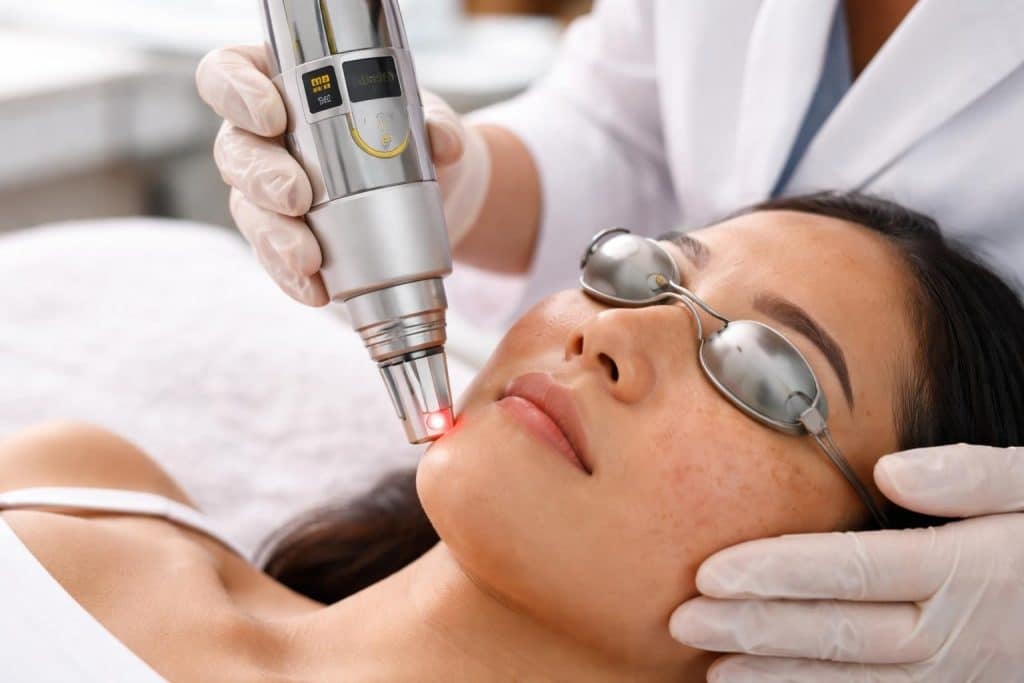
Melasma remains one of the most challenging pigmentation disorders to treat effectively, affecting millions of people worldwide with stubborn brown or grayish patches on the face. Traditional treatment approaches have long struggled to deliver consistent, lasting results without triggering rebound hyperpigmentation. The emergence of picosecond laser technology has transformed the landscape of melasma management, offering a more precise and gentle approach to addressing this persistent condition. PicoSure represents a significant advancement in this field, combining ultra-short pulse durations with a specific 755nm wavelength that targets melanin with unprecedented precision while minimizing thermal damage to surrounding tissue.
Understanding Melasma and Why Traditional Treatments Fall Short
Melasma develops when melanocytes produce excessive melanin, creating patches of hyperpigmentation typically on the cheeks, forehead, upper lip, and bridge of the nose. Multiple factors contribute to this condition, including hormonal fluctuations, sun exposure, genetic predisposition, and certain medications.
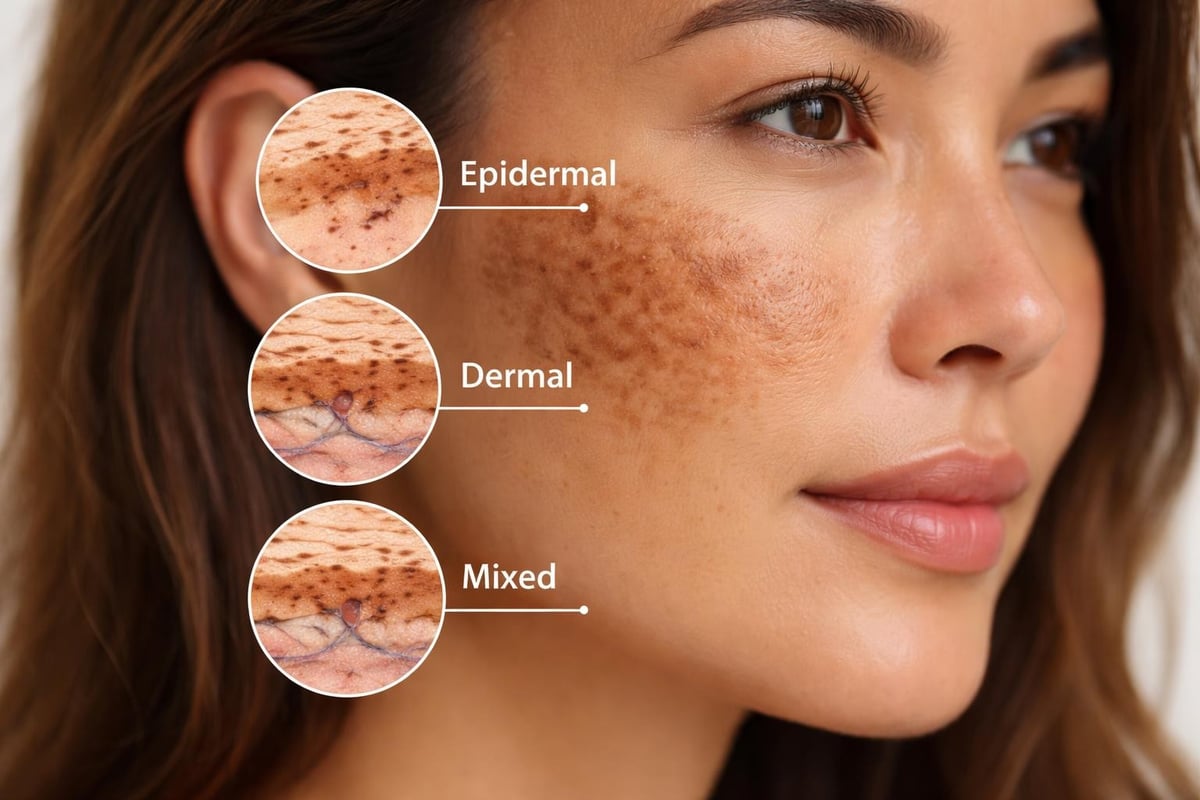
The complexity of melasma lies in its layered nature. Pigmentation can exist in different skin depths:
- Epidermal melasma: Located in the outer skin layers, generally more responsive to treatment
- Dermal melasma: Situated deeper in the skin, more challenging to address
- Mixed melasma: Combination of both epidermal and dermal components
Traditional treatments like hydroquinone, kojic acid, and chemical peels have shown variable success rates. These approaches often require months of consistent application and may cause irritation or paradoxical darkening, particularly in patients with darker skin tones. Older laser technologies, including Q-switched lasers and fractional devices, frequently triggered post-inflammatory hyperpigmentation, making treatment outcomes unpredictable and sometimes worse than the original condition.
How PicoSure Technology Differs from Conventional Lasers
PicoSure melasma treatment operates on fundamentally different principles than traditional nanosecond lasers. The device delivers energy in picoseconds (trillionths of a second) rather than nanoseconds, creating a photomechanical effect instead of relying primarily on heat.
This ultra-short pulse duration generates a pressure wave that shatters pigment particles into tiny fragments. The body's lymphatic system then naturally eliminates these microscopic particles over the following weeks. Because the energy exposure is so brief, surrounding tissue experiences minimal thermal damage, significantly reducing the risk of inflammation and subsequent hyperpigmentation.
The 755nm Wavelength Advantage
The specific wavelength used in picosure melasma treatments holds particular significance. At 755nm, the alexandrite laser wavelength demonstrates optimal absorption by melanin while maintaining excellent skin penetration. This selective targeting allows practitioners to address pigmentation at multiple depths without compromising safety or efficacy.
Research demonstrates that picosecond lasers show promising results in treating melasma when compared to traditional modalities. The FDA clearance of PicoSure for melasma treatment represents a milestone in laser technology, validating its safety and effectiveness for this notoriously difficult condition.
| Feature | PicoSure (Picosecond) | Traditional Lasers (Nanosecond) |
|---|---|---|
| Pulse Duration | 550-750 picoseconds | 5-20 nanoseconds |
| Primary Mechanism | Photomechanical | Photothermal |
| Heat Generation | Minimal | Moderate to High |
| PIH Risk | Lower | Higher |
| Treatment Sessions | 3-6 typically | 6-10+ often required |
| Downtime | Minimal | Moderate |
What to Expect During PicoSure Melasma Treatment
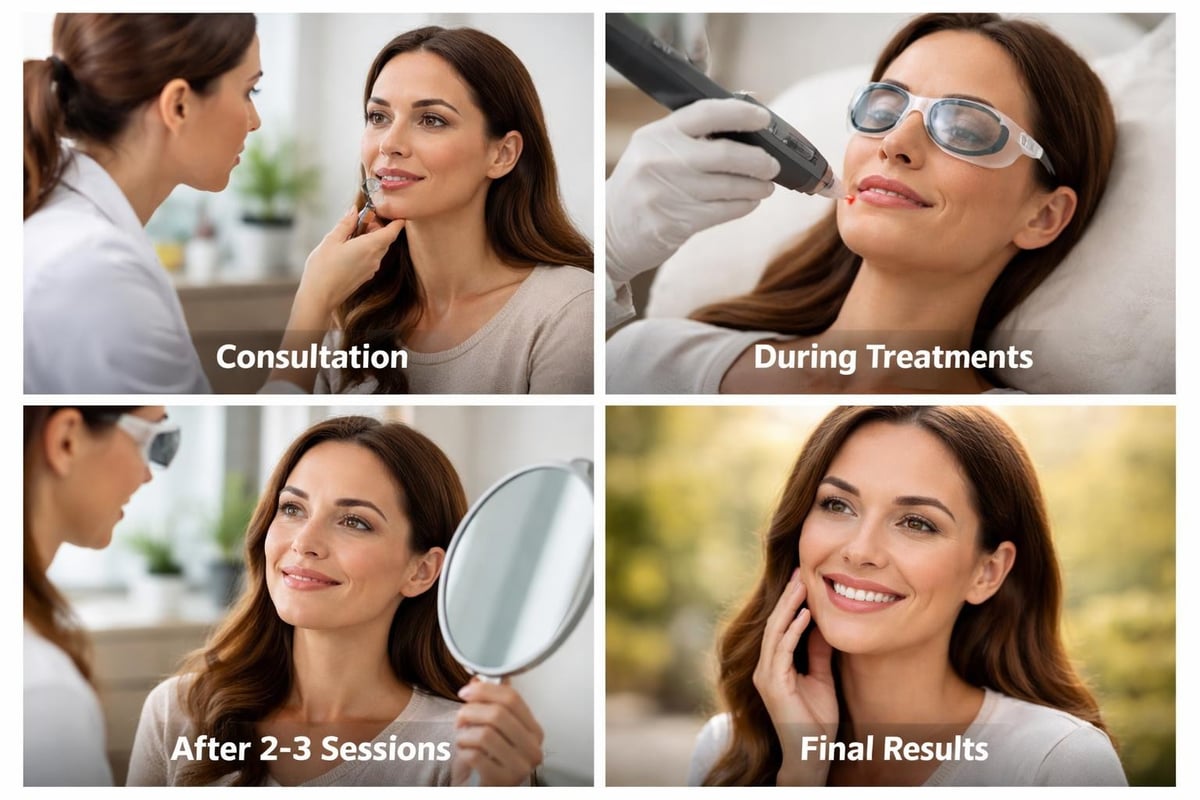
Treatment begins with a comprehensive skin assessment to evaluate melasma type, depth, and severity. A Wood's lamp examination helps determine whether pigmentation is primarily epidermal, dermal, or mixed, which influences treatment planning and outcome predictions.
On treatment day, the skin is thoroughly cleansed and a topical numbing cream may be applied for 20-30 minutes to ensure comfort. Most patients describe the sensation as tolerable, similar to light snapping against the skin.
The Treatment Process
- Skin preparation: Removal of makeup, sunscreen, and oils
- Protective eyewear: Both patient and practitioner wear safety glasses
- Test spot: A small area receives treatment to assess immediate response
- Full treatment: Systematic coverage of affected areas with appropriate settings
- Post-treatment care: Application of soothing products and sun protection
Treatment duration typically ranges from 15 to 30 minutes depending on the size of the treatment area. The laser handpiece moves systematically across the skin, delivering thousands of microscopic energy pulses that target melanin accumulation.
Immediately following treatment, the skin may appear pink or slightly swollen. This reaction generally subsides within a few hours to a day. Some patients notice temporary darkening of pigmented areas before they begin to fade, a normal part of the clearance process.
Clinical Results and Evidence-Based Outcomes
The effectiveness of picosure melasma treatment has been documented through multiple clinical studies and real-world applications. A randomized controlled study examining picosecond laser efficacy demonstrated significant improvement in melasma severity scores with minimal adverse effects.
Most patients require a series of 3-6 treatments spaced 4-6 weeks apart to achieve optimal results. Improvement becomes visible gradually as the body processes and eliminates fragmented pigment particles. Peak results typically manifest 2-3 months after completing the treatment series.
Success Factors and Patient Selection
Not all melasma responds equally to laser intervention. Factors influencing treatment success include:
- Melasma type: Epidermal responds better than dermal
- Skin tone: Fitzpatrick skin types I-IV generally see better outcomes
- Hormonal stability: Active hormonal fluctuations may affect results
- Sun protection compliance: Essential for maintaining improvements
- Combination therapy: Often more effective than monotherapy
Many practitioners combine picosure melasma treatments with topical lightening agents, chemical peels, or maintenance laser sessions to enhance and prolong results. Some studies explore combining 755nm picosecond laser with hydroquinone to optimize treatment outcomes.
For patients seeking comprehensive skin rejuvenation beyond pigmentation concerns, complementary treatments like laser skin resurfacing can address texture, tone, and overall skin quality simultaneously.
Managing Expectations and Potential Side Effects
While picosure melasma treatment offers significant advantages over traditional approaches, realistic expectations remain crucial. Complete clearance occurs in some cases, but many patients achieve 50-70% improvement, which can still dramatically enhance appearance and confidence.
Common Side Effects
Short-term effects typically include:
- Mild erythema (redness) lasting hours to 1-2 days
- Temporary edema (swelling) in treated areas
- Slight crusting or flaking as skin renews
- Temporary hyperpigmentation that resolves over weeks
Serious complications are rare but may include persistent hyperpigmentation, hypopigmentation, or scarring if post-treatment instructions are not followed or if treatment parameters are inappropriate for the patient's skin type.
The risk profile for PicoSure is generally favorable compared to older laser technologies. Network meta-analysis data supports both efficacy and safety when treatments are performed by experienced practitioners using appropriate protocols.
Post-Treatment Care and Maintenance Strategies
Success with picosure melasma treatment extends far beyond the laser sessions themselves. Comprehensive aftercare and long-term maintenance determine whether improvements last or fade over time.
Essential Aftercare Protocols
Immediate care (first 24-48 hours):
- Avoid hot water, steam, and excessive sweating
- Apply gentle, fragrance-free moisturizers
- Use only recommended post-treatment products
- Avoid makeup if possible, or use mineral-based formulas
Short-term care (first 1-2 weeks):
- Continue gentle cleansing and moisturizing
- Avoid active ingredients like retinoids and acids
- Protect skin from all UV exposure
- Stay well-hydrated to support healing
Long-term maintenance:
- Daily broad-spectrum SPF 50+ sunscreen, reapplied every 2 hours
- Physical sun protection (hats, sunglasses, shade-seeking)
- Maintenance treatments every 3-6 months as needed
- Topical antioxidants to prevent future damage
Sun protection cannot be overstated. Even brief UV exposure can trigger melanocyte activity and undo months of treatment progress. Patients must commit to rigorous photoprotection as a permanent lifestyle change, not just during active treatment periods.

Comparing PicoSure to Other Melasma Treatment Options
Understanding how picosure melasma treatment fits within the broader treatment landscape helps patients make informed decisions about their care approach.
| Treatment Type | Effectiveness | Downtime | Cost Range | Best For |
|---|---|---|---|---|
| PicoSure Laser | High (70-90%) | Minimal | $$$ | Mixed melasma, multiple depths |
| Hydroquinone | Moderate (40-60%) | None | $ | Maintenance, epidermal melasma |
| Chemical Peels | Moderate (50-70%) | Moderate | $$ | Epidermal melasma, combination therapy |
| Fractional CO2 | Variable (30-70%) | Significant | $$$ | Severe cases, texture concerns |
| Topical Retinoids | Low-Moderate (30-50%) | Minimal | $ | Prevention, mild cases |
Various laser treatments for melasma offer different advantages depending on individual circumstances. The choice often depends on melasma severity, skin type, budget, and lifestyle factors.
Some patients benefit from combining treatments. For instance, someone might undergo picosure melasma sessions for deep pigmentation while maintaining results with periodic carbon peel treatments that address surface pigmentation and promote overall skin clarity.
Special Considerations for Different Skin Types
Skin type significantly influences treatment planning and outcome expectations. The Fitzpatrick scale, which classifies skin from Type I (very fair) to Type VI (very dark), helps practitioners customize laser parameters and predict response patterns.
Lighter Skin Tones (Fitzpatrick I-III)
Patients with lighter complexions typically respond well to picosure melasma treatment with lower risk of post-inflammatory hyperpigmentation. Higher energy settings can often be used safely, potentially reducing the total number of sessions needed.
However, these skin types may also show more visible redness and temporary textural changes immediately following treatment. The contrast between treated and untreated areas may be more noticeable during the healing phase.
Medium to Darker Skin Tones (Fitzpatrick IV-VI)
Treating melasma in darker skin requires specialized expertise and conservative approach. While the photomechanical action of PicoSure reduces thermal damage compared to traditional lasers, melanin-rich skin still carries elevated risk for pigmentary changes.
Conservative energy settings, longer intervals between sessions, and meticulous post-treatment care become even more critical. Test spots are essential to evaluate individual response before proceeding with full-face treatment.
Many practitioners recommend pre-treatment with topical lightening agents and strict sun protection for 4-6 weeks before beginning laser sessions. This preparation helps stabilize melanocyte activity and may improve treatment tolerance and outcomes.
Integrating PicoSure into Comprehensive Skin Health Programs
Optimal results emerge when picosure melasma treatment functions as one component of a holistic skin health approach rather than an isolated intervention. This integrated perspective addresses multiple factors contributing to pigmentation disorders.
A comprehensive program might include:
- Professional treatments: PicoSure sessions combined with medical-grade facials
- Home care regimen: Prescription-strength topicals for daily use
- Lifestyle modifications: Stress management, adequate sleep, balanced nutrition
- Hormonal evaluation: Addressing underlying triggers when relevant
- Regular monitoring: Follow-up assessments to track progress and adjust protocols
The synergy between advanced laser technology and quality skincare amplifies results beyond what either approach achieves alone. Patients who maintain consistent home care routines between professional treatments typically see faster improvement and more durable outcomes.
For individuals exploring multiple aesthetic concerns, combining melasma treatment with complementary procedures like dermal fillers for volume restoration can create comprehensive facial rejuvenation that addresses both pigmentation and structural aging.
Cost Considerations and Treatment Investment
Investing in picosure melasma treatment requires financial planning, as most insurance plans classify it as cosmetic rather than medical treatment. Understanding the cost structure helps patients budget appropriately and set realistic timelines.
Pricing Factors
Individual treatment session costs vary based on:
- Geographic location: Urban centers typically charge more than smaller markets
- Clinic expertise: Specialized dermatology practices versus general med-spas
- Treatment area size: Full face versus targeted zones
- Session number: Package pricing often reduces per-session costs
- Combination treatments: Bundling multiple modalities
Most patients spend between $2,000 and $5,000 for a complete treatment series of 4-6 sessions. While this represents significant investment, comparing it to years of purchasing ineffective topical products or managing the psychological impact of persistent melasma helps contextualize the value.
Maintenance treatments, typically needed 2-4 times yearly, add ongoing costs but remain essential for sustaining improvements. Some clinics offer membership programs or treatment packages that reduce long-term expenses while ensuring consistent care.
The Role of Technology Evolution in Melasma Treatment
The development of picosecond laser technology represents part of a broader evolution in aesthetic medicine toward more precise, gentle, and effective interventions. Understanding this trajectory helps patients appreciate current capabilities while anticipating future innovations.
PicoSure emerged from decades of research into laser-tissue interactions and selective photothermolysis principles. Earlier attempts to treat melasma with lasers often produced disappointing results or outright worsened the condition due to excessive heat generation and inflammation.
The shift from nanosecond to picosecond pulse durations solved fundamental problems that limited previous technologies. This evolution continues, with ongoing research exploring optimal treatment protocols, combination approaches, and refinements to existing platforms.
As technology advances, treatment becomes increasingly customizable to individual patient characteristics. Modern laser systems offer multiple handpiece options, adjustable parameters, and real-time feedback mechanisms that allow practitioners to fine-tune each treatment session based on immediate tissue response.
PicoSure melasma treatment offers a scientifically validated approach to addressing one of dermatology's most challenging pigmentation conditions, combining ultra-short pulse technology with targeted wavelength delivery for safer, more effective results. Success requires expert treatment execution, comprehensive aftercare, and realistic expectations about gradual improvement over multiple sessions. The team at New Skin Laser Clinic brings extensive experience with advanced laser technologies to help Toronto clients achieve clearer, more even-toned skin through personalized treatment protocols and state-of-the-art equipment.