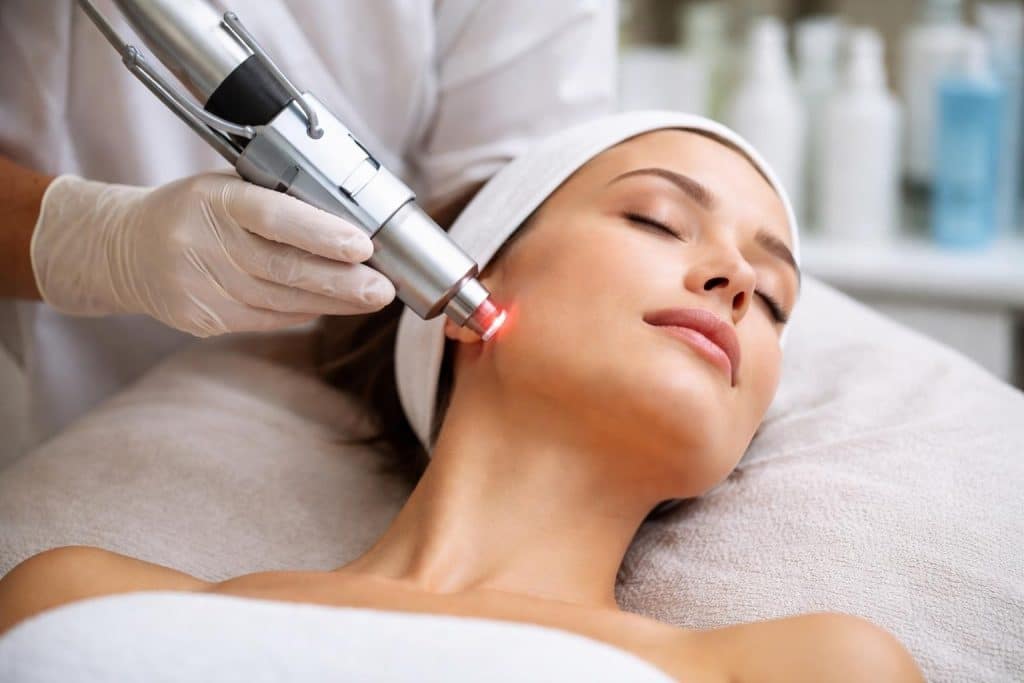
Finding effective solutions for skin concerns has never been more accessible, thanks to advances in aesthetic technology. When searching for "laser skin therapy near me," you're joining thousands of individuals seeking professional treatments to address everything from sun damage to acne scarring. Modern laser technology offers precise, non-invasive solutions that target specific skin issues while promoting natural healing and rejuvenation. Understanding what laser skin therapy entails, which treatments suit your needs, and how to select the right clinic will help you make informed decisions about your skin health journey.
Understanding Laser Skin Therapy Technology
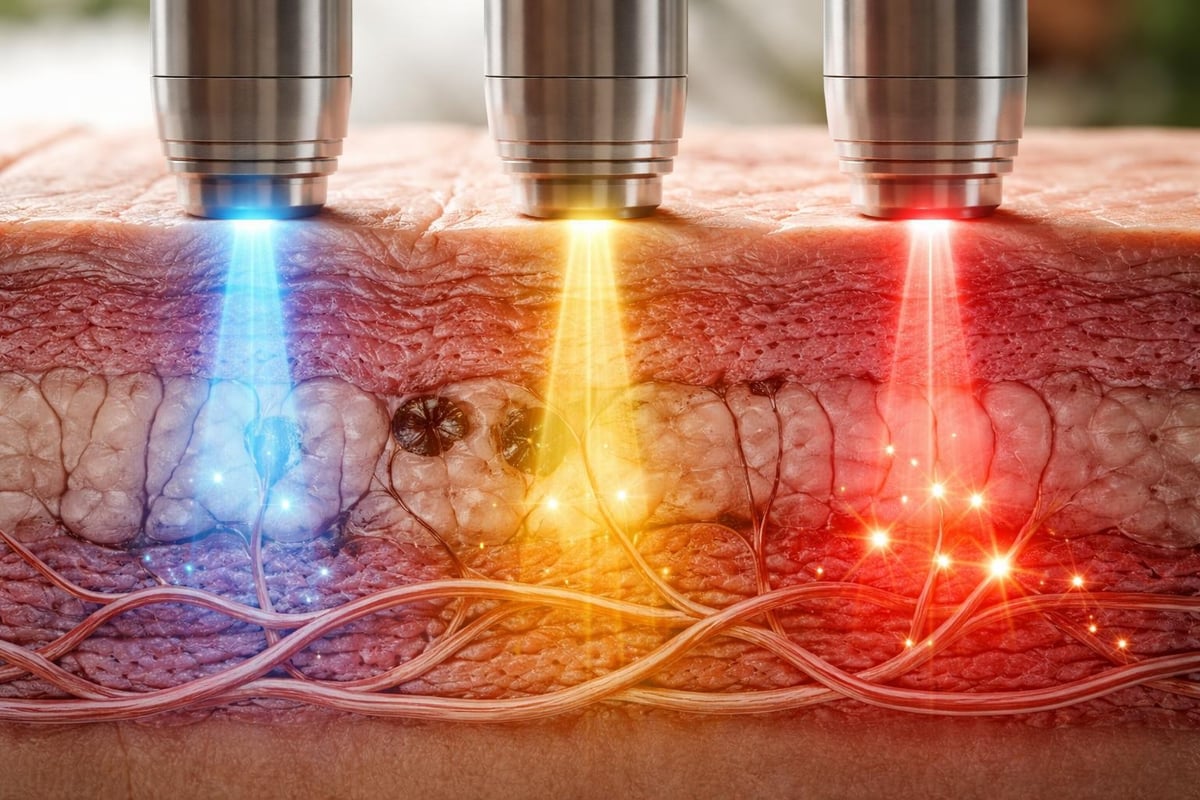
Laser skin therapy uses concentrated light energy to target specific skin concerns with remarkable precision. The technology works by delivering controlled wavelengths of light that penetrate different skin layers, stimulating collagen production and removing damaged tissue.
How Different Lasers Work
Modern clinics utilize various laser types, each designed for specific concerns. Ablative lasers remove outer skin layers to treat deeper wrinkles and significant scarring, while non-ablative lasers work beneath the surface without damaging the top layer. Fractional lasers create microscopic treatment zones, leaving surrounding tissue intact for faster healing.
Common laser technologies include:
- CO2 lasers for deep resurfacing and scar treatment
- Erbium lasers for fine lines and moderate wrinkles
- Nd:YAG lasers for vascular issues and hair removal
- IPL (Intense Pulsed Light) for pigmentation and redness
- Picosecond lasers for tattoo removal and pigmentation
The American Academy of Dermatology outlines various skin conditions that respond effectively to laser therapy, demonstrating the versatility of these treatments.
| Laser Type | Best For | Downtime | Results Timeline |
|---|---|---|---|
| Ablative | Deep wrinkles, scars | 7-14 days | 3-6 months |
| Non-ablative | Mild aging, texture | 0-3 days | 2-4 months |
| Fractional | Moderate aging, scars | 3-7 days | 2-5 months |
| IPL | Pigmentation, redness | 1-2 days | 4-6 weeks |
Conditions Treated with Laser Skin Therapy
When researching "laser skin therapy near me," it's essential to understand which conditions respond best to treatment. Laser technology addresses numerous aesthetic and medical skin concerns with proven efficacy.
Aging and Sun Damage
Fine lines, wrinkles, and age spots represent the most common reasons people seek laser treatments. Laser resurfacing stimulates collagen production, plumping skin from within while removing damaged surface layers. Sun spots and hyperpigmentation fade as lasers break down excess melanin, allowing the body to naturally eliminate dark patches.
Acne Scarring and Active Acne
Acne scars create lasting reminders of past breakouts, but laser therapy offers significant improvement. Fractional lasers create controlled micro-injuries that trigger healing responses, gradually smoothing depressed scars. For active acne, specific wavelengths target bacteria and reduce oil production. Research published in evidence-based reviews of acne treatment confirms laser therapy's role in comprehensive acne management.
Additional treatable conditions:
- Rosacea and broken capillaries
- Uneven skin tone and texture
- Melasma and post-inflammatory hyperpigmentation
- Stretch marks and surgical scars
- Large pores and rough texture
What to Expect During Treatment
Understanding the treatment process alleviates anxiety and helps you prepare properly. Your experience when visiting a clinic after searching "laser skin therapy near me" should follow a consistent, professional protocol.
Initial Consultation Process
Every quality clinic begins with a comprehensive consultation. During this appointment, aestheticians assess your skin type, discuss concerns, and review medical history. They'll photograph your skin, create a customized treatment plan, and explain realistic outcomes.
Your provider should perform a patch test, especially if you have sensitive skin or darker skin tones. This small test area reveals how your skin responds before treating larger zones.
The Treatment Session
On treatment day, your skin will be cleansed thoroughly and numbing cream applied if needed. Most non-ablative treatments require minimal anesthesia, while ablative procedures may need stronger numbing agents.
The actual laser application varies by treatment type. Some sessions last fifteen minutes, while comprehensive resurfacing takes an hour or more. You'll feel sensations ranging from mild warmth to snapping rubber bands, depending on the laser type and intensity.
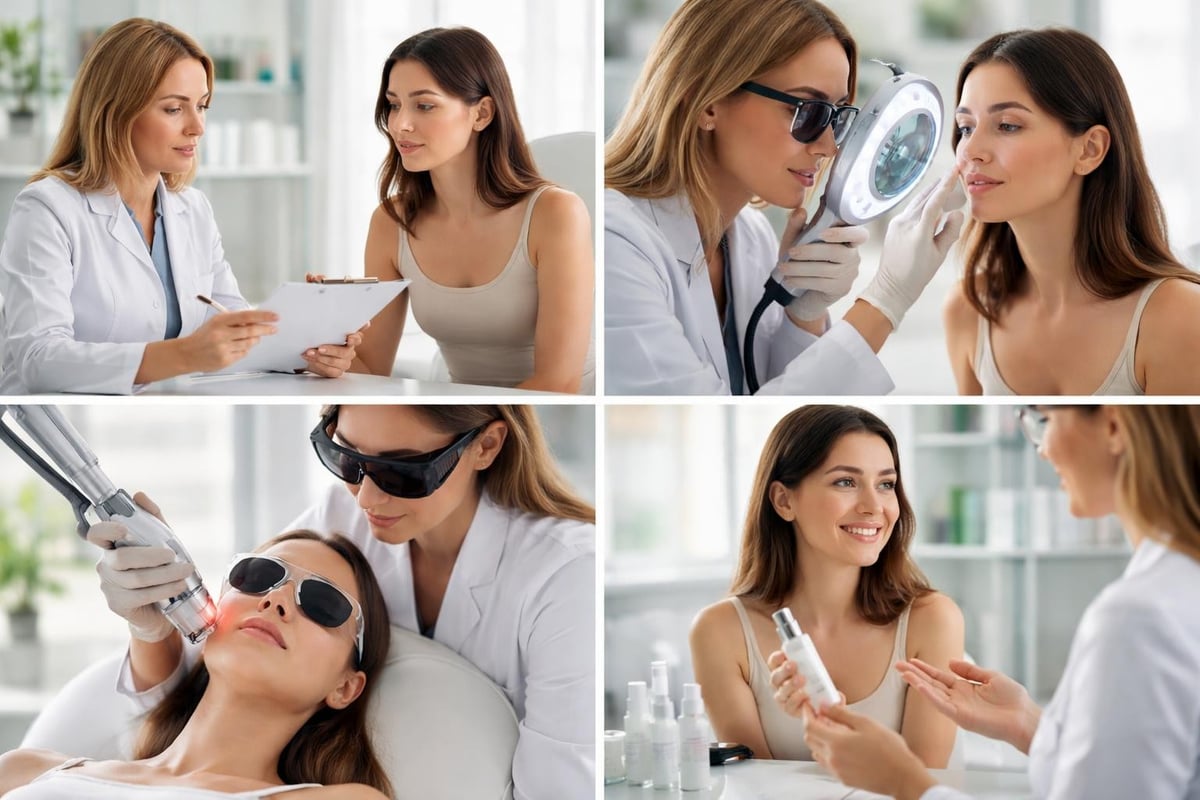
Immediately after treatment, skin appears red and may feel warm, similar to a sunburn. Your provider applies soothing products and provides detailed aftercare instructions. Comprehensive laser services should always include thorough post-treatment guidance.
Choosing the Right Clinic
Selecting an appropriate facility represents one of your most important decisions when searching for laser skin therapy near me. Not all clinics maintain equal standards of care, technology, or expertise.
Credentials and Experience
Verify that your chosen clinic employs licensed professionals with specific laser training. Medical estheticians should work under physician oversight, and providers should maintain current certifications in laser safety.
Ask about experience with your specific skin type and concern. A clinic that excels in laser hair removal may lack expertise in advanced facial resurfacing. Look for providers who specialize in facial aesthetics and maintain updated equipment.
Technology and Safety Standards
Modern laser equipment provides better results with fewer complications than older technology. Inquire about device brands, model years, and maintenance schedules. Reputable clinics invest regularly in equipment upgrades and maintain stringent safety protocols.
| Quality Indicator | What to Look For | Red Flags |
|---|---|---|
| Consultation | Thorough assessment, realistic expectations | Pushy sales tactics, guaranteed results |
| Equipment | Recent models, multiple device types | Generic "laser" mentions, vague technology |
| Hygiene | Clean rooms, sterilized tools, proper PPE | Cluttered spaces, reused disposables |
| Pricing | Transparent costs, package options | Too-good-to-be-true deals, hidden fees |
Reviews and Before-After Galleries
Online reviews provide insights into patient experiences, though perfect five-star ratings across all platforms may indicate filtered feedback. Look for detailed reviews mentioning specific concerns, treatments received, and realistic outcome descriptions.
Before-and-after galleries demonstrate a clinic's expertise with various skin types and conditions. Quality clinics showcase diverse patients with clear lighting and similar angles. Be wary of heavily filtered photos or limited examples.
Treatment Costs and Value Considerations
Financial planning matters when investing in laser skin therapy. Understanding pricing structures helps you budget appropriately and avoid unexpected expenses.
Average Price Ranges
Laser treatment costs vary significantly based on treatment type, area size, and geographic location. Single sessions typically range from $200 to $2,500, with most facial treatments falling between $400 and $1,000 per session.
Typical cost ranges for popular treatments:
- Full-face resurfacing: $1,500-$2,500 per session
- Spot treatment (small areas): $200-$400 per session
- IPL photofacial: $300-$600 per session
- Fractional laser: $800-$1,500 per session
- Combination treatments: $1,000-$3,000 per session
Most conditions require multiple sessions for optimal results. Your provider should outline the total expected investment during consultation, including recommended session numbers and maintenance treatments.
Package Deals and Financing
Many clinics offer package pricing that reduces per-session costs when committing to multiple treatments upfront. These packages typically provide 10-20% savings compared to individual session pricing.
Financing options make treatments more accessible through monthly payment plans. Third-party medical financing companies often provide interest-free periods or low-rate extended plans. Always read terms carefully and ensure monthly payments fit comfortably within your budget.
Preparing for Your Laser Treatment
Proper preparation significantly impacts treatment effectiveness and safety. Following pre-treatment guidelines minimizes complications and optimizes results.
Pre-Treatment Protocol
Most providers require avoiding sun exposure for 4-6 weeks before treatment. Tanned or sunburned skin increases complication risks and may prevent treatment entirely. Apply broad-spectrum SPF 30+ daily and wear protective clothing outdoors.
Discontinue specific skincare products and medications that increase photosensitivity. Retinoids, glycolic acid, and certain antibiotics should be stopped 1-2 weeks before your appointment. Your provider will give you a comprehensive list during consultation.
- Stop retinoids and exfoliating acids one week prior
- Avoid sun exposure and tanning beds
- Discontinue blood-thinning supplements (with physician approval)
- Arrive with clean skin, no makeup or lotions
- Stay well-hydrated in the days leading up to treatment
Post-Treatment Care Requirements
Aftercare determines your final results and healing timeline. Following provider instructions precisely prevents complications and accelerates recovery.
Expect redness, swelling, and potential flaking for several days to weeks, depending on treatment intensity. Apply prescribed ointments or moisturizers as directed, keeping skin hydrated and protected. Avoid makeup until cleared by your provider, typically 24-48 hours for non-ablative treatments.
Sun protection becomes crucial during healing. Even brief exposure can cause hyperpigmentation or compromise results. Use mineral-based SPF 50+, wear hats, and limit outdoor activities during peak sun hours.
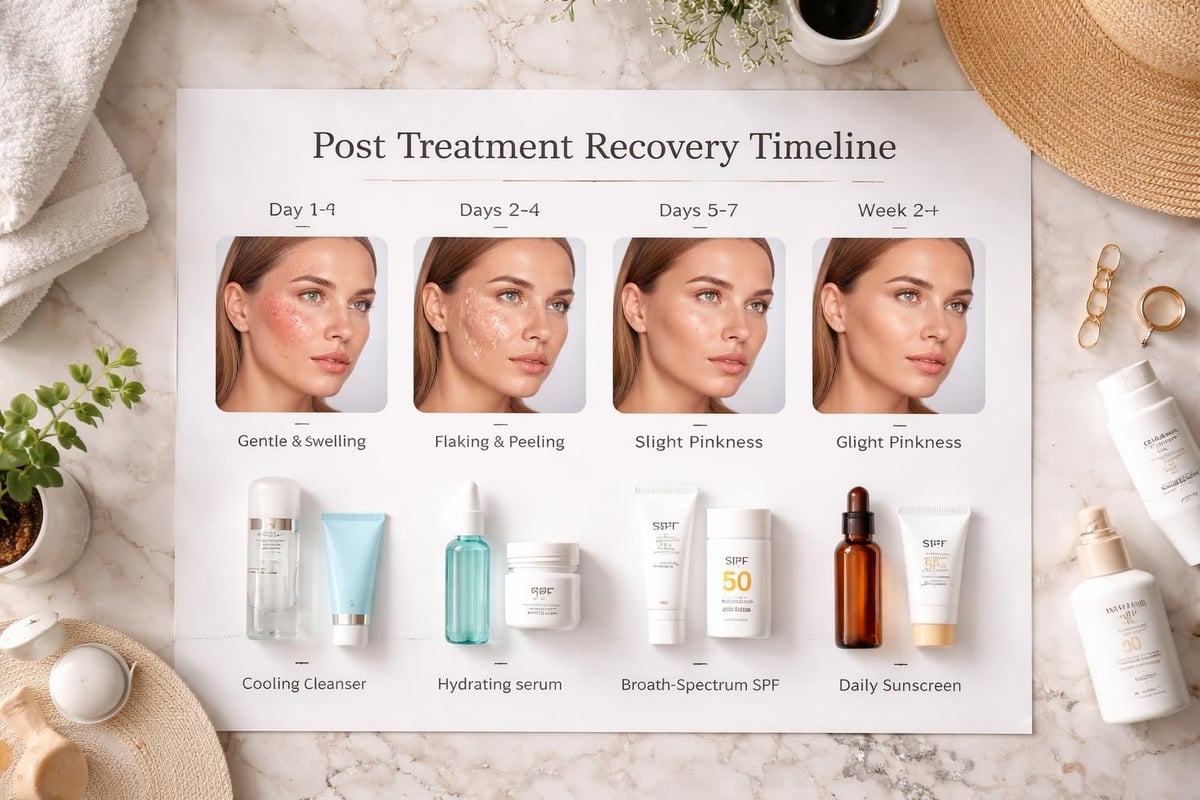
Research published in Clinics in Dermatology reviews emphasizes proper aftercare's critical role in achieving optimal skin rejuvenation outcomes.
Combining Laser Therapy with Other Treatments
Comprehensive skin rejuvenation often involves multiple modalities working synergistically. Understanding complementary treatments maximizes your investment and results.
Injectable Treatments
Laser therapy improves skin texture and tone, while injectables address volume loss and dynamic wrinkles. Many patients combine fractional laser resurfacing with dermal fillers for cheeks or neurotoxins for forehead lines. These treatments target different aging mechanisms, providing more comprehensive rejuvenation.
Timing matters when combining treatments. Most providers recommend spacing laser treatments and injectables by 2-4 weeks to avoid complications and ensure each treatment performs optimally.
Medical-Grade Skincare
Professional skincare products enhance and extend laser therapy results. Prescription retinoids boost collagen production, while antioxidant serums protect newly revealed skin. Your provider should recommend specific products tailored to your skin type and treatment goals.
Quality clinics offer medical-grade product lines with higher active ingredient concentrations than retail brands. These products work synergistically with laser treatments, maintaining improvements between sessions. For those interested in advanced skin tightening options, combining treatments with appropriate skincare creates lasting results.
Safety Considerations and Potential Risks
While laser skin therapy maintains an excellent safety profile when performed correctly, understanding potential risks enables informed decision-making.
Common Side Effects
Expected side effects include temporary redness, swelling, and sensitivity. These typically resolve within days to weeks depending on treatment intensity. Some patients experience temporary hyperpigmentation or hypopigmentation, especially those with darker skin tones.
More serious complications remain rare but include scarring, infection, or permanent pigment changes. Choosing experienced providers and following aftercare instructions minimizes these risks significantly.
Who Should Avoid Laser Therapy
Certain conditions contraindicate laser treatments. Active skin infections, recent isotretinoin use, or autoimmune disorders affecting skin may require alternative approaches. Pregnant or nursing women should postpone laser treatments.
Contraindications for laser therapy:
- Active herpes outbreak or frequent cold sores
- Keloid scarring tendency
- Recent isotretinoin use (within 6-12 months)
- Uncontrolled diabetes or immune disorders
- Active skin infections or open wounds
Your consultation should include thorough medical history review to identify any contraindications. Honest disclosure ensures your safety and treatment appropriateness.
Maintaining Results Long-Term
Laser therapy provides significant improvements, but maintaining results requires ongoing commitment. Understanding maintenance strategies protects your investment.
Follow-Up Treatment Schedules
Most laser treatments benefit from periodic maintenance sessions. After completing your initial series, annual or semi-annual touch-ups maintain results as aging continues. Your provider should outline a personalized maintenance schedule based on your concerns and treatment type.
Some patients schedule seasonal treatments, addressing sun damage accumulated during summer months or preparing skin for special events. This proactive approach maintains consistent results rather than waiting for significant regression.
Daily Skincare Essentials
Sun protection remains the single most important maintenance factor. Daily broad-spectrum SPF 30+ prevents new damage and protects your investment. Reapply every two hours during extended outdoor exposure.
Incorporate antioxidants like vitamin C to combat free radical damage, and continue retinoid use unless contraindicated. Gentle cleansing and adequate hydration support healthy skin barrier function, maximizing treatment longevity.
Regional Considerations for Treatment
Geographic location influences several aspects of laser therapy, from seasonal timing to cost variations. Understanding regional factors helps optimize your treatment planning.
Climate and Seasonal Timing
Toronto's distinct seasons affect optimal treatment timing. Winter months provide ideal conditions for laser therapy, with reduced sun exposure and cooler temperatures that feel soothing on treated skin. Summer treatments require extra precaution, as outdoor activities and sun exposure increase complication risks.
Many patients schedule intensive treatments during fall or winter, allowing complete healing before summer activities. This strategic timing maximizes results while minimizing lifestyle disruption.
Urban vs. Suburban Access
Metropolitan areas typically offer more treatment options and competitive pricing due to higher provider density. However, suburban clinics often provide more personalized attention and flexible scheduling. When searching for laser skin therapy near me, consider both convenience and quality rather than proximity alone.
Finding the right laser skin therapy solution requires understanding treatment options, selecting qualified providers, and committing to proper aftercare protocols. Whether addressing acne scars, sun damage, or aging concerns, modern laser technology offers proven results when performed by experienced professionals. New Skin Laser Clinic combines advanced technology with personalized care in Toronto's heart, providing comprehensive consultations and customized treatment plans designed to help you achieve your skin goals safely and effectively.