Brown spots, age spots, sun spots, and hyperpigmentation represent some of the most common skin concerns affecting individuals across all age groups and skin types. These pigmentation irregularities can develop from sun exposure, hormonal changes, aging, or inflammation, leaving many people searching for effective solutions. Laser treatment for brown spots has emerged as one of the most advanced and reliable methods for addressing unwanted pigmentation, offering targeted results with minimal downtime. Understanding the technology, treatment options, and what to expect can help you make informed decisions about your skin health.
Understanding Brown Spots and Hyperpigmentation
Brown spots appear when melanin, the pigment responsible for skin color, accumulates in specific areas of the skin. This excess production can result from various triggers, creating visible discoloration that ranges from light tan to dark brown.
Common Causes of Brown Spots
The development of hyperpigmentation follows predictable patterns based on environmental and biological factors. Sun exposure remains the primary culprit, with ultraviolet radiation triggering melanocytes to produce excessive pigment as a protective response. Over years of accumulated exposure, this defense mechanism creates the characteristic spots many associate with aging.
Hormonal fluctuations also play a significant role, particularly in conditions like melasma. Pregnancy, birth control pills, and hormone replacement therapy can all stimulate melanin production, leading to patches of darker skin on the face, neck, and hands.
Post-inflammatory hyperpigmentation develops after skin injury or inflammation. Acne, cuts, burns, or even aggressive skincare treatments can leave behind dark marks that persist long after the initial trauma has healed.
Types of Pigmented Lesions
Different categories of brown spots require tailored treatment approaches:
- Solar lentigines (age spots or liver spots) appear on sun-exposed areas
- Melasma creates symmetrical patches, often on the cheeks and forehead
- Post-inflammatory hyperpigmentation results from previous skin damage
- Freckles (ephelides) are genetic and darken with sun exposure
- Café-au-lait spots are birthmarks with uniform coloration
Understanding which type of pigmentation you're addressing helps determine the most appropriate laser treatment for brown spots and sets realistic expectations for outcomes.
How Laser Technology Targets Pigmentation
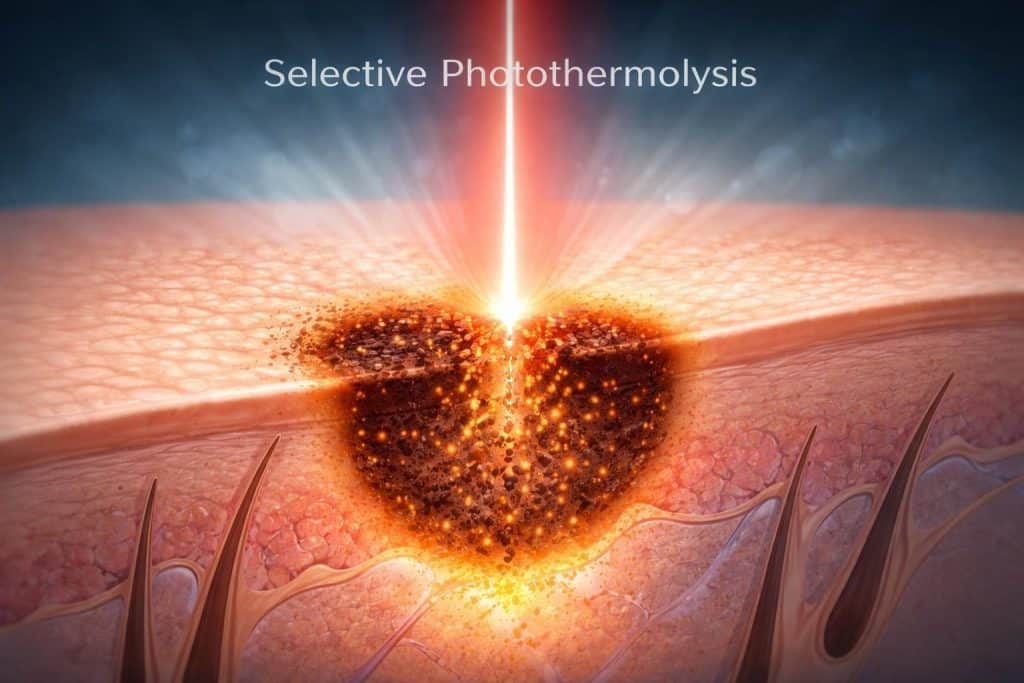
Laser treatment for brown spots operates on the principle of selective photothermolysis, a sophisticated process that allows precise targeting of melanin without damaging surrounding tissue. This technology has revolutionized dermatological treatments since its introduction.
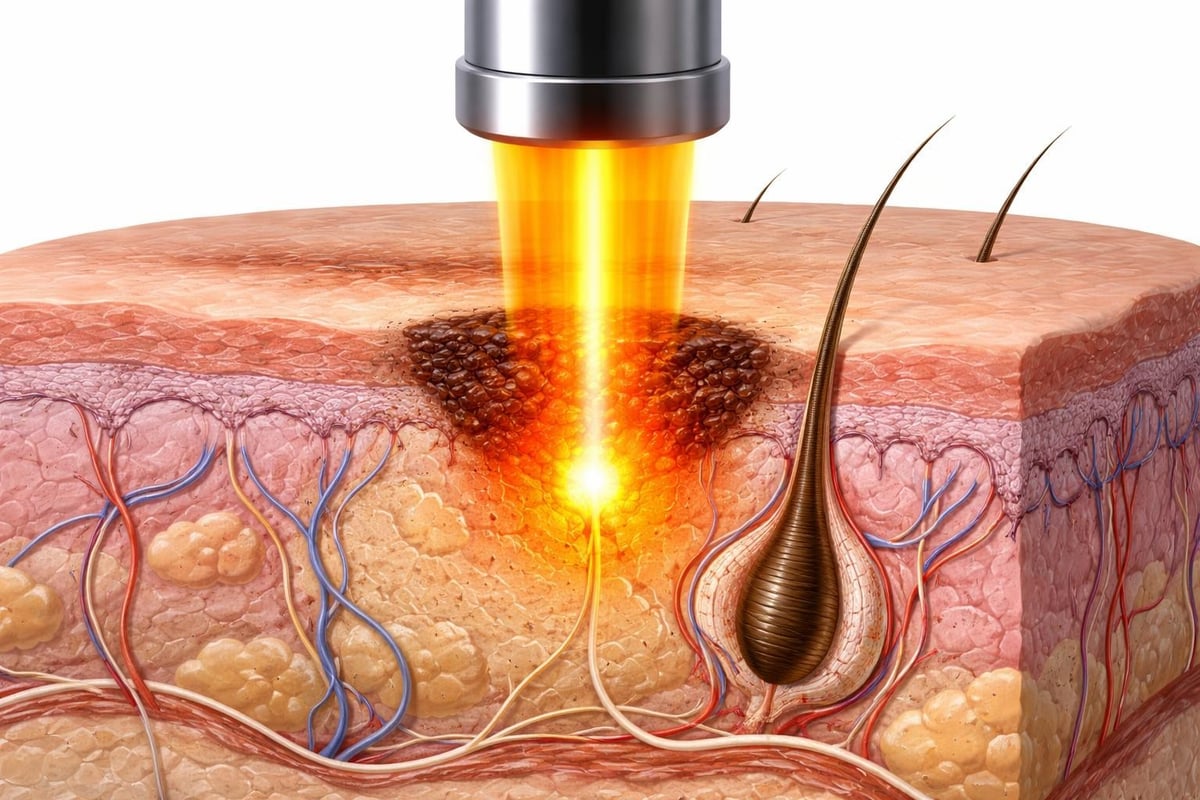
The laser emits concentrated light energy at specific wavelengths that melanin absorbs preferentially. When the pigmented cells absorb this energy, it converts to heat, fragmenting the melanin into smaller particles. The body's immune system then recognizes these fragments as cellular debris and removes them through natural metabolic processes.
The Science Behind Laser Wavelengths
Different wavelengths penetrate skin to varying depths and interact differently with melanin. Shorter wavelengths (500-600 nanometers) target superficial pigmentation, while longer wavelengths (700-1064 nanometers) can reach deeper dermal layers.
This selectivity explains why laser specialists carefully match the laser type to the depth and nature of your pigmentation. A Q-switched Nd:YAG laser at 1064 nanometers, for instance, penetrates deeper and works particularly well for darker skin tones, while shorter wavelengths excel at superficial sun spots.
The pulse duration also matters tremendously. Shorter pulses (nanoseconds or picoseconds) deliver energy so quickly that surrounding tissue doesn't have time to heat up, minimizing collateral damage and reducing recovery time.
Types of Laser Treatments Available
Multiple laser technologies address brown spots, each with distinct advantages depending on your skin type, pigmentation depth, and treatment goals. Baylor Medicine’s dermatology department outlines several effective options for pigmentation removal.
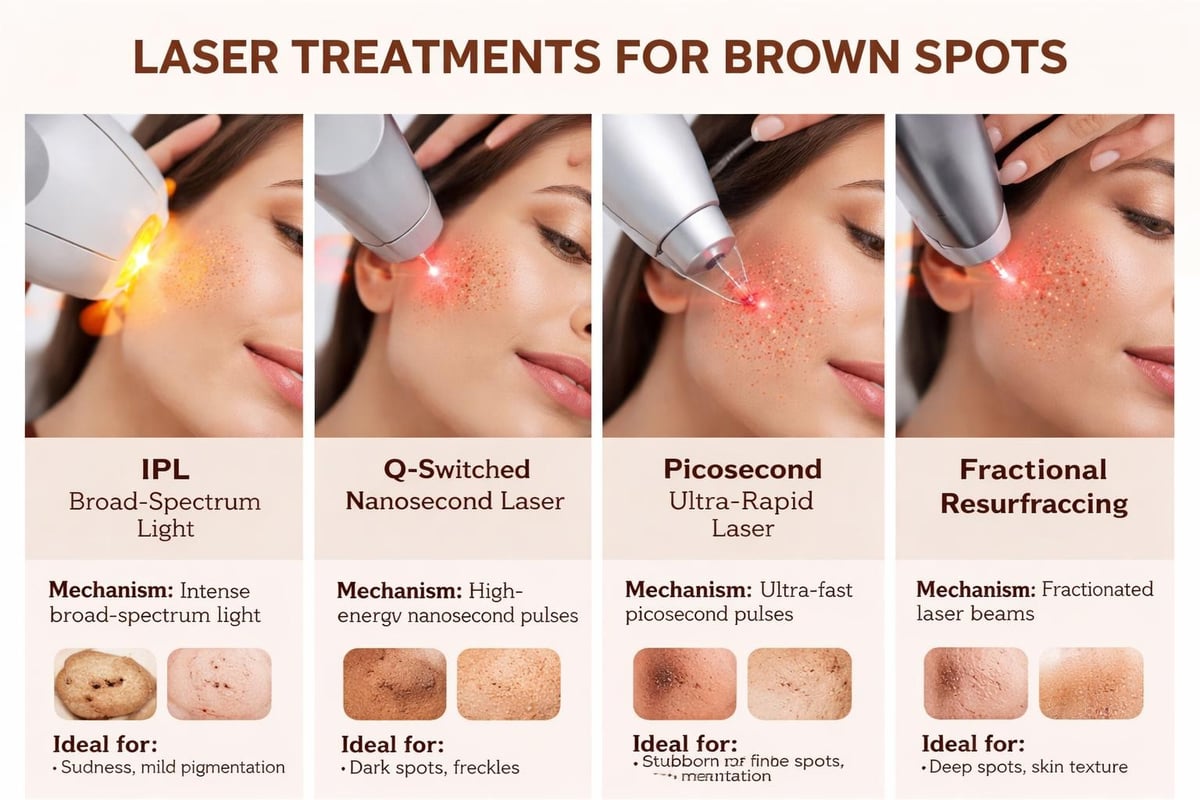
Intense Pulsed Light (IPL) Therapy
IPL technology differs slightly from true lasers by emitting multiple wavelengths of light simultaneously rather than a single focused beam. This broad-spectrum approach allows treatment of various pigmentation concerns in one session.
IPL photofacials work exceptionally well for diffuse sun damage and freckles across larger surface areas. The treatment feels like a rubber band snapping against the skin, with sessions typically lasting 20-30 minutes depending on the treatment area.
IPL Treatment Specifications:
| Feature | Details |
|---|---|
| Wavelength range | 500-1200 nanometers |
| Treatment duration | 20-30 minutes |
| Sessions required | 3-5 treatments |
| Interval between sessions | 3-4 weeks |
| Best for | Superficial pigmentation, multiple spots |
| Downtime | Minimal to none |
According to photorejuvenation research, IPL treatments can address multiple skin concerns simultaneously, including redness from broken capillaries alongside brown pigmentation.
Q-Switched Lasers
Q-switched lasers deliver extremely short, high-energy pulses measured in nanoseconds. This rapid energy delivery shatters pigment particles without excessive heat buildup in surrounding tissue.
The Q-switched Nd:YAG laser operates at two wavelengths (532nm and 1064nm), making it versatile for different skin tones and pigmentation depths. The 532nm wavelength targets superficial pigmentation in lighter skin, while the 1064nm wavelength safely treats deeper pigmentation in darker skin types.
Treatment sessions are brief, often just 10-15 minutes, but the laser produces a more intense sensation than IPL. Most patients describe it as a series of quick pinpricks or the snap of a hot rubber band.
Picosecond Lasers
Representing the latest advancement in laser technology, picosecond lasers deliver pulses in trillionths of a second. This ultra-rapid delivery creates a photoacoustic effect, shattering pigment into even finer particles than traditional nanosecond lasers. Marie Claire’s discussion of Pico Laser technology highlights its rapid efficacy and reduced recovery time.
Benefits of picosecond technology include:
- Faster clearance of stubborn pigmentation
- Fewer treatment sessions required
- Reduced risk of post-inflammatory hyperpigmentation
- Minimal downtime compared to older technologies
- Effective across all skin types when properly calibrated
The PicoWay, PicoSure, and similar devices have transformed treatment outcomes, particularly for resistant melasma and deeper dermal pigmentation that proved challenging with earlier technologies.
Fractional Resurfacing Lasers
Fractional lasers like Fraxel create thousands of microscopic treatment zones in the skin, leaving surrounding tissue intact to accelerate healing. While not exclusively targeting pigmentation, these lasers address brown spots while simultaneously improving overall skin texture and tone.
The fractional approach stimulates collagen production and cell turnover, gradually fading pigmentation as new, healthy skin replaces damaged tissue. This makes fractional resurfacing particularly valuable when brown spots accompany other aging concerns like fine lines or rough texture.
Treatment Process and What to Expect
Understanding the complete treatment journey helps you prepare mentally and practically for laser treatment for brown spots. The process extends beyond the actual laser session to include preparation, the procedure itself, and recovery.
Initial Consultation and Assessment
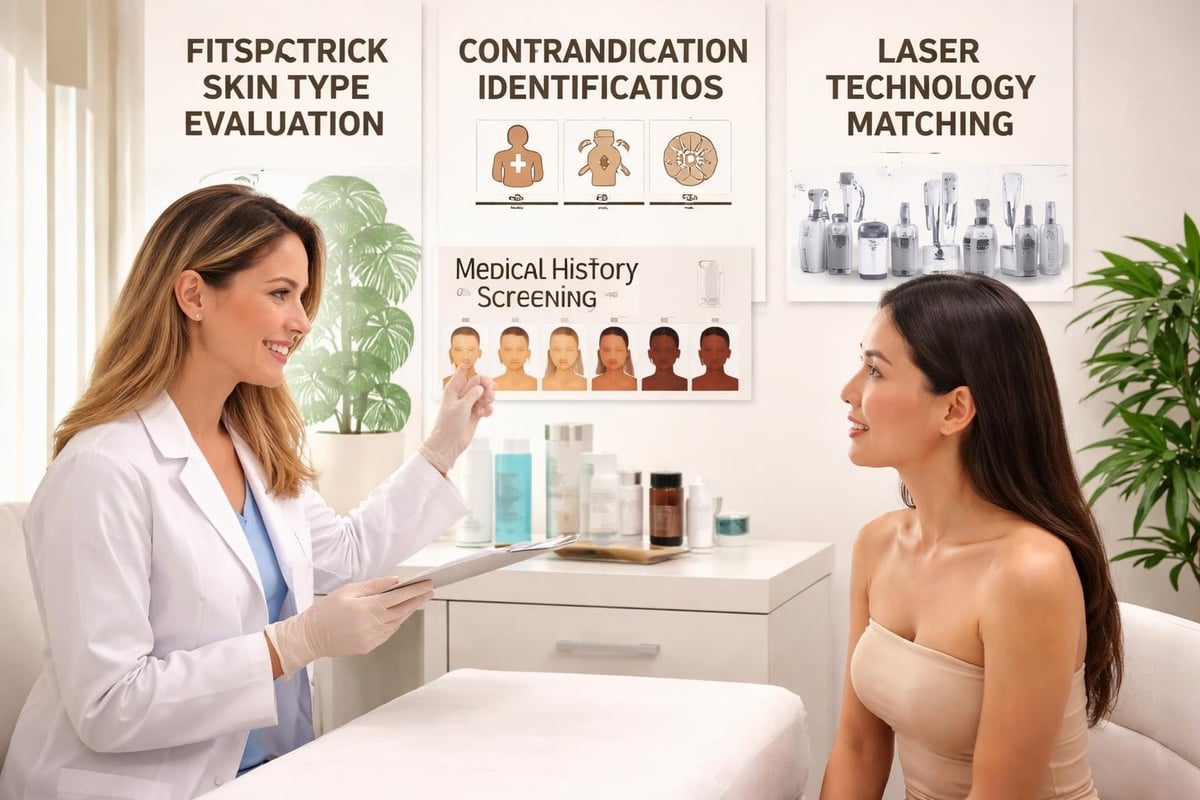
Your journey begins with a comprehensive skin evaluation. During this consultation, the specialist examines your pigmentation under specialized lighting, assesses your skin type using the Fitzpatrick scale, and discusses your medical history.
Certain medications increase photosensitivity and must be discontinued before treatment. Retinoids, chemical exfoliants, and some antibiotics can all interfere with laser procedures. Your practitioner will provide a detailed list of products and medications to avoid in the weeks leading up to treatment.
Sun protection becomes non-negotiable during this preparation phase. Any recent tanning or sunburn can increase complication risks and reduce treatment effectiveness. Most clinics require at least four weeks of strict sun avoidance before proceeding.
Pre-Treatment Preparation
Proper preparation optimizes results and minimizes adverse reactions. Your skincare routine may require temporary modifications:
- Discontinue retinoids and strong exfoliants 7-14 days before treatment
- Avoid waxing, chemical peels, or other aggressive treatments for 2 weeks
- Apply broad-spectrum SPF 30+ daily without exception
- Stop taking photosensitizing medications as directed
- Arrive with clean skin, free from makeup, lotions, or perfumes
Some practitioners prescribe pre-treatment regimens including hydroquinone or kojic acid to prime the skin and enhance outcomes, particularly for melasma or stubborn pigmentation.
During the Procedure
The actual laser session proceeds systematically. After cleansing your skin, the practitioner may apply topical numbing cream, though many find the discomfort manageable without anesthesia.
You'll wear protective eyewear to shield your eyes from the laser light. The practitioner then delivers laser pulses across the treatment area in a methodical pattern, ensuring complete coverage without overlap that could cause excessive damage.
Most patients report sensations ranging from mild warmth to brief stinging with each pulse. The intensity varies by laser type, with IPL feeling gentler than Q-switched lasers, and picosecond lasers falling somewhere between.
Treatment duration depends on the area size and laser type. Small spots may require just 5-10 minutes, while full-face treatments extend to 30-45 minutes.
Immediate Post-Treatment Response
Immediately following laser treatment for brown spots, treated areas typically appear darker and may feel warm, similar to a mild sunburn. This darkening represents the oxidized pigment rising to the surface before shedding, not new damage.
Mild swelling and redness are normal, usually resolving within 24-48 hours. Some laser types cause more pronounced initial reactions than others, with ablative fractional lasers producing the most visible short-term effects.
Recovery Timeline and Aftercare
The days and weeks following treatment require diligent care to protect healing skin and optimize results. Marie Claire’s guide to IPL photofacials provides excellent insights into managing the recovery period.
Post-treatment care essentials:
- Apply prescribed healing ointments or moisturizers regularly
- Use gentle, fragrance-free cleansers only
- Avoid hot water, saunas, and strenuous exercise for 48-72 hours
- Keep treated skin protected from sun exposure
- Don't pick at darkened spots or flaking skin
The treated pigmentation typically darkens further over the first few days, forming a coffee-ground appearance or light crusting. This darkened pigment naturally exfoliates within 7-14 days, revealing lighter skin beneath.
| Timeline | Expected Changes |
|---|---|
| Days 1-3 | Redness, swelling, darkening of brown spots |
| Days 4-7 | Crusting or flaking begins as pigment surfaces |
| Days 8-14 | Crusts shed, revealing new skin underneath |
| Weeks 2-4 | Continued lightening as inflammation resolves |
| Weeks 4-12 | Progressive fading as body removes fragmented pigment |
Complete results emerge gradually over 8-12 weeks as your immune system continues clearing fragmented melanin. Multiple sessions spaced 4-6 weeks apart typically achieve optimal clearance.
Effectiveness and Expected Results
Laser treatment for brown spots delivers impressive results when performed correctly on appropriate candidates, though outcomes vary based on multiple factors including pigmentation type, skin tone, and adherence to aftercare protocols.
Success Rates for Different Pigmentation Types
Solar lentigines respond exceptionally well to laser intervention, with studies showing 70-90% clearance after one to three treatment sessions. These superficial spots represent the ideal target for laser technology, as the melanin sits close to the skin surface where laser energy easily reaches it.
Melasma proves more challenging due to its hormonal triggers and tendency to recur. Riverchase Dermatology’s overview of laser treatments notes that while lasers can significantly lighten melasma, maintenance treatments and combination approaches often yield the best long-term outcomes.
Post-inflammatory hyperpigmentation requires careful laser selection and conservative settings. Excessive energy can paradoxically worsen pigmentation by creating new inflammation, particularly in darker skin tones.
Factors Influencing Treatment Outcomes
Several variables determine how effectively laser treatment addresses your specific brown spots:
Patient factors:
- Fitzpatrick skin type (lighter skin types generally respond faster)
- Age and overall skin health
- Hormonal status (melasma often requires ongoing management)
- Sun exposure habits and protection compliance
- Genetic factors affecting melanin production
Treatment factors:
- Appropriate laser selection for pigmentation type
- Practitioner skill and experience
- Number of sessions completed
- Energy settings and pulse duration
- Interval timing between treatments
Realistic Expectations
While laser treatment for brown spots achieves remarkable improvements, understanding limitations prevents disappointment. Complete elimination of all pigmentation may not be possible, particularly for deep dermal melasma or genetic freckling that will recur with sun exposure.
Most patients achieve 60-90% improvement in treated pigmentation, with superficial sun spots clearing most completely. Deeper or hormonally driven pigmentation may lighten substantially but require ongoing maintenance to prevent recurrence.
The skin often appears more even-toned overall, as laser treatments stimulate collagen remodeling and improve skin quality beyond just removing visible spots.
Safety Considerations and Potential Side Effects
Like all medical procedures, laser treatment for brown spots carries potential risks that vary based on skin type, laser selection, and practitioner expertise. Understanding these possibilities allows informed consent and appropriate precautions.
Common Temporary Side Effects
Most patients experience mild, self-limiting reactions that resolve without intervention:
- Redness and warmth lasting 24-72 hours
- Temporary darkening of treated spots before improvement
- Mild swelling, particularly around delicate areas like eyes
- Temporary sensitivity or tingling sensations
- Minor crusting or flaking during healing
These reactions indicate normal healing responses rather than complications. They typically peak within the first few days and progressively improve over the following week.
Potential Complications
Less common but more concerning complications require awareness and prompt management:
Hyperpigmentation (darkening): Paradoxically, laser treatment can trigger new pigmentation, especially in darker skin tones or with excessive energy levels. This post-inflammatory response usually resolves over several months but may require additional treatment.
Hypopigmentation (lightening): Excessive laser energy can permanently damage melanocytes, creating lighter patches. This risk increases with aggressive settings or overlapping pulses during treatment.
Scarring: While rare with modern lasers, excessive thermal damage can cause permanent textural changes. Proper energy selection and avoiding active infections minimize this risk.
Infection: Though uncommon, bacterial or viral infections can develop in compromised skin. Patients with history of herpes simplex may require prophylactic antiviral medication.
Risk Factors Requiring Extra Caution
Certain conditions or characteristics increase complication risks:
- Fitzpatrick skin types IV-VI (darker complexions)
- Active tanning or recent sun exposure
- History of keloid scarring
- Active skin infections or inflammatory conditions
- Certain medications causing photosensitivity
- Pregnancy or hormonal fluctuations
Dr. Alexes Hazen’s discussion of laser treatments emphasizes the critical importance of selecting appropriate laser technology based on individual patient characteristics.
Minimizing Risks Through Proper Candidate Selection
Not everyone represents an ideal candidate for laser treatment for brown spots. Responsible practitioners conduct thorough evaluations to identify potential risk factors and may recommend alternative approaches when laser treatment poses excessive risks.
Patients with very dark skin tones require specialized lasers like Nd:YAG at longer wavelengths and conservative energy settings to avoid pigmentation changes. Those with active melasma may benefit from combination approaches using topical therapies alongside carefully selected laser treatments.
Choosing the Right Treatment for Your Skin Type
The diversity of available laser technologies means treatments can be customized to individual skin characteristics, but this also requires expertise in matching technology to patient. Chicago Cosmetic Surgery & Dermatology’s treatment overview demonstrates how different technologies serve different skin types and concerns.
Fitzpatrick Skin Type Considerations
The Fitzpatrick scale categorizes skin into six types based on melanin content and sun sensitivity, directly influencing laser safety and effectiveness.
| Skin Type | Characteristics | Preferred Laser Options |
|---|---|---|
| Type I-II | Very fair, burns easily, rarely tans | IPL, all Q-switched lasers, picosecond lasers with standard settings |
| Type III | Medium, sometimes burns, gradually tans | IPL with caution, Q-switched lasers, picosecond lasers |
| Type IV | Olive, rarely burns, tans easily | Nd:YAG 1064nm, picosecond lasers with conservative settings |
| Type V-VI | Brown to dark brown, very rarely burns | Nd:YAG 1064nm exclusively, picosecond with expert calibration |
Darker skin types require longer wavelengths that bypass epidermal melanin to target only the excess pigmentation in brown spots, avoiding damage to normal skin pigment.
Age and Skin Condition Factors
Younger skin with isolated sun spots typically responds quickly to targeted laser treatment for brown spots. The surrounding healthy skin heals efficiently, and collagen reserves support rapid recovery.
Mature skin often benefits from fractional approaches that address pigmentation while simultaneously stimulating collagen production and improving overall texture. This comprehensive approach delivers more natural-looking results by treating the skin as a whole rather than isolated spots.
Combination Treatment Approaches
Many practitioners now advocate combination strategies that leverage multiple technologies and topical agents for superior outcomes. This integrated approach might include:
- Pre-treatment with topical brightening agents (hydroquinone, kojic acid, tranexamic acid)
- Laser sessions targeting primary pigmentation
- Maintenance with chemical peels or microneedling
- Ongoing topical therapy to prevent recurrence
- Strict photoprotection protocols
Combination approaches prove particularly valuable for complex pigmentation like melasma, where single-modality treatment often yields disappointing long-term results.
Cost Considerations and Treatment Investment
Understanding the financial commitment helps you plan appropriately for laser treatment for brown spots. Pricing varies significantly based on geographic location, practitioner expertise, technology used, and treatment area size.
Typical Pricing Structures
Most clinics charge per treatment session rather than offering package pricing, though some provide discounts for multiple pre-purchased sessions. Single-spot treatments might range from $150-300, while full-face IPL sessions typically cost $400-600.
More advanced technologies command premium pricing. Picosecond laser treatments often exceed traditional Q-switched laser costs by 30-50% due to the sophisticated technology and superior results they deliver.
Average cost ranges by treatment type:
- Small spot treatment (individual lentigines): $150-300 per session
- IPL photofacial (full face): $400-600 per session
- Q-switched laser (full face): $500-800 per session
- Picosecond laser (full face): $700-1,200 per session
- Fractional resurfacing: $800-1,500 per session
Factors Affecting Total Investment
The complete cost extends beyond individual session pricing. Most pigmentation concerns require multiple treatments for optimal results, with 3-5 sessions representing a typical course.
Total investment considerations include:
- Number of sessions required (typically 3-5)
- Maintenance treatments (may need annual touch-ups)
- Pre-treatment skincare products
- Post-treatment care products and sun protection
- Travel and time off work if applicable
Value Assessment
When evaluating cost, consider the longevity of results, safety profile, and expertise of the provider. The cheapest option rarely delivers the best outcomes, and complications from improperly performed treatments can cost far more to correct than the initial savings.
Experienced practitioners with advanced technology may charge more but typically deliver superior results with fewer complications. This expertise particularly matters for darker skin tones or challenging pigmentation where inappropriate treatment can cause permanent damage.
Alternative and Complementary Approaches
While laser treatment for brown spots represents the gold standard for many pigmentation concerns, other modalities offer viable alternatives or excellent complementary therapies depending on individual circumstances.
Chemical Peels
Chemical exfoliation using glycolic acid, salicylic acid, TCA, or combination formulations removes superficial pigmentation through controlled skin injury. Lighter peels require multiple treatments, while deeper peels deliver more dramatic single-treatment results.
Peels work particularly well for diffuse pigmentation and can be alternated with laser treatments in comprehensive protocols. They cost less per session than laser treatments but typically require more frequent application.
Topical Brightening Agents
Prescription and over-the-counter topical treatments gradually fade pigmentation through various mechanisms:
- Hydroquinone inhibits melanin production and remains the gold standard topical agent
- Kojic acid provides a gentler alternative for sensitive skin
- Azelaic acid addresses both pigmentation and acne simultaneously
- Vitamin C serums provide antioxidant protection while brightening
- Retinoids accelerate cell turnover, gradually fading pigmentation
Topical agents rarely eliminate brown spots completely but serve valuable roles in pre-treatment preparation, post-treatment maintenance, and managing pigmentation unsuitable for laser intervention.
Microneedling with Depigmenting Serums
Controlled micro-injuries from fine needles create channels for enhanced product penetration while stimulating collagen production. When combined with brightening serums, microneedling addresses pigmentation and texture simultaneously.
This modality works well for post-inflammatory hyperpigmentation and offers a gentler approach for those unable to tolerate laser treatment due to skin type or medical conditions.
Cryotherapy for Isolated Spots
Liquid nitrogen application freezes and destroys pigmented cells in small, isolated brown spots. This quick, inexpensive option works well for individual solar lentigines but risks hypopigmentation if applied too aggressively.
When Alternatives Make Sense
Consider non-laser approaches when:
- Budget constraints limit treatment options
- Skin type or medical conditions increase laser risks
- Pigmentation is very superficial and may respond to gentler methods
- You prefer gradual improvement over time
- Active hormonal triggers make laser results temporary
Many patients achieve excellent results combining modalities, using laser treatment for brown spots as the primary intervention while supporting and maintaining results with topical agents and occasional peels.
Long-Term Maintenance and Prevention
Achieving clear, even-toned skin represents just the first phase. Maintaining results requires ongoing commitment to sun protection and appropriate skincare practices.
Sun Protection as Primary Prevention
Ultraviolet radiation triggers the melanin production that created brown spots initially. Without diligent photoprotection, new pigmentation inevitably develops, negating treatment benefits.
Comprehensive sun protection includes:
- Daily broad-spectrum SPF 30+ application, reapplied every two hours when outdoors
- Physical barriers like wide-brimmed hats and UV-protective clothing
- Shade seeking during peak UV hours (10 AM to 4 PM)
- Antioxidant serums providing additional protection against free radical damage
- Regular skin monitoring to catch new pigmentation early
Maintenance Treatment Schedules
Even successfully treated pigmentation may gradually recur, particularly with sun exposure or hormonal changes. Annual or semi-annual maintenance sessions preserve results and address new spots before they become prominent.
Some practitioners recommend scheduled touch-ups every 12-18 months, while others prefer treating new pigmentation as it appears. Your individual needs depend on sun exposure, skin type, and the original cause of pigmentation.
Skincare Routines Supporting Results
Daily skincare supporting laser treatment outcomes includes:
Morning routine:
- Gentle cleanser
- Antioxidant serum (vitamin C, vitamin E, ferulic acid)
- Moisturizer appropriate for skin type
- Broad-spectrum sunscreen
Evening routine:
- Gentle cleanser
- Retinoid or other cell turnover accelerator
- Brightening serum if needed
- Moisturizer or repair cream
Lifestyle Factors Affecting Pigmentation
Beyond topical care, lifestyle choices influence pigmentation development and recurrence:
- Diet rich in antioxidants supports skin health from within
- Adequate hydration maintains skin barrier function
- Stress management reduces inflammatory triggers
- Sleep quality affects skin repair and regeneration
- Avoiding smoking prevents oxidative damage accelerating pigmentation
Monitoring for Recurrence or New Concerns
Regular self-examinations help identify new brown spots early when they're easiest to treat. Annual professional skin checks serve dual purposes, monitoring both aesthetic concerns and screening for skin cancer, as some pigmented lesions require medical rather than cosmetic intervention.
Professional Qualifications and Clinic Selection
The expertise of your laser practitioner dramatically influences both results and safety. Laser treatment for brown spots requires sophisticated understanding of skin biology, laser physics, and aesthetic judgment.
Credentials to Verify
Seek practitioners with appropriate medical credentials and specialized laser training:
- Physicians (dermatologists or plastic surgeons) possess comprehensive medical training
- Physician assistants and nurse practitioners with cosmetic dermatology specialization
- Licensed medical estheticians working under physician supervision
- Laser certification from recognized training programs
Verify credentials through professional organization directories and state licensing boards. Don't hesitate to ask about specific training in laser procedures and years of experience performing laser treatment for brown spots.
Technology and Equipment Standards
Advanced, well-maintained equipment produces superior results with fewer complications. During consultations, inquire about:
- Specific laser models and their FDA clearances
- Equipment maintenance and calibration schedules
- Range of available technologies for different skin types
- Backup plans if complications arise
Clinics investing in multiple laser platforms demonstrate commitment to customized treatment approaches rather than forcing all patients onto a single technology.
Consultation Quality Indicators
A thorough consultation reveals practitioner expertise and commitment to individualized care. Red flags include:
- Guaranteeing complete pigmentation removal
- Recommending identical treatment for all skin types
- Dismissing your concerns or questions
- Pressuring immediate treatment decisions
- Inability to explain technology and approach clearly
Quality practitioners conduct comprehensive assessments, discuss realistic expectations, present multiple options, and welcome questions about their experience and approach.
Facility Standards and Safety Protocols
Treatment facilities should maintain rigorous cleanliness and safety standards. Observe:
- Clean, well-organized treatment rooms
- Proper sterilization of reusable equipment
- Appropriate use of protective eyewear
- Emergency equipment availability
- Written pre- and post-treatment instructions
Professional facilities provide detailed consent forms explaining risks and protocols for managing complications should they arise.
Reviews and Reputation Research
While online reviews require critical evaluation, patterns in patient feedback reveal valuable insights. Look for:
- Consistent reports of professional, knowledgeable staff
- Realistic outcome descriptions rather than miraculous transformations
- Appropriate handling of complications when they occur
- Responsiveness to questions and concerns
- Before-and-after photos of actual patients with similar skin types
Personal referrals from trusted sources often provide the most reliable guidance, particularly for complex concerns like treating pigmentation in darker skin tones.
Laser treatment for brown spots offers safe, effective solutions for unwanted pigmentation when performed by qualified practitioners using appropriate technology. Understanding the various laser options, realistic expectations, and proper aftercare protocols empowers you to achieve optimal results while minimizing risks. New Skin Laser Clinic provides personalized laser treatments tailored to your unique skin type and pigmentation concerns, combining advanced technology with expert care in the heart of Toronto. Schedule a consultation to discover how our specialized approach can help you achieve clear, radiant skin at New Skin Laser Clinic.