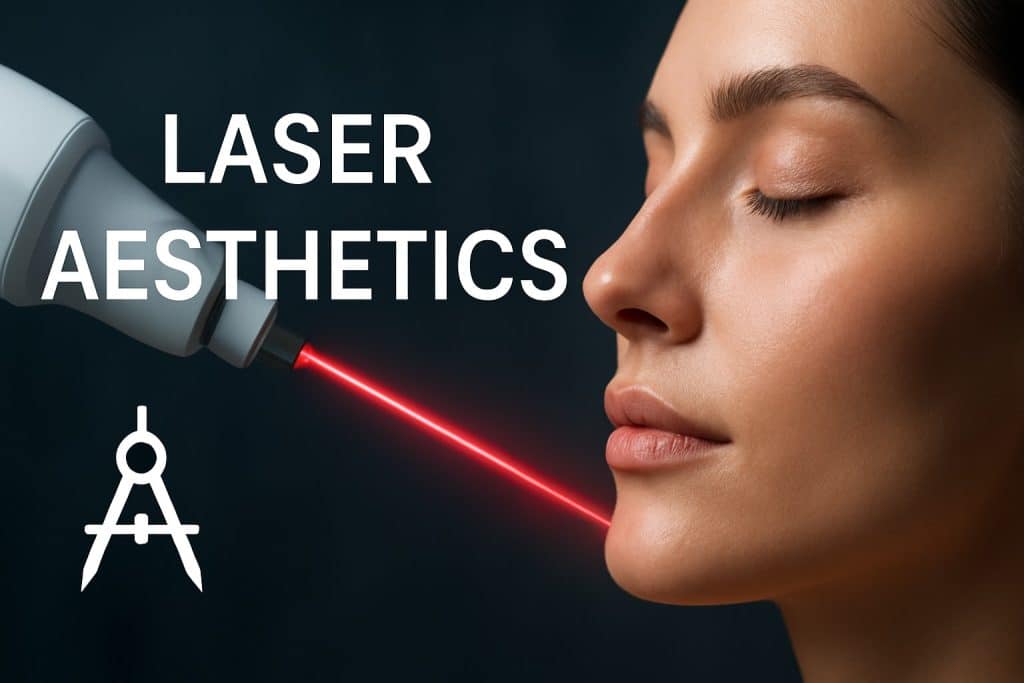
The world of laser aesthetics is advancing at a remarkable pace, transforming both beauty and medical treatments. As new technologies emerge and demand surges, understanding the latest in laser aesthetics becomes essential for anyone seeking safe, effective results.
This guide reveals the top innovations set to redefine the field by 2026. You will discover breakthrough devices, evolving treatment options, improved safety measures, and guidance on selecting the right provider. With the global market projected to reach $4.5 billion, staying informed ensures you benefit from the best that modern laser aesthetics has to offer.
The Evolution of Laser Aesthetics: From Origins to 2026
Laser aesthetics has transformed dramatically since its inception, evolving from experimental beginnings to a cornerstone of modern beauty and medical care. Today, the field stands at the intersection of science and artistry, offering patients new possibilities for self-confidence and rejuvenation.
Historical Milestones in Laser Aesthetics
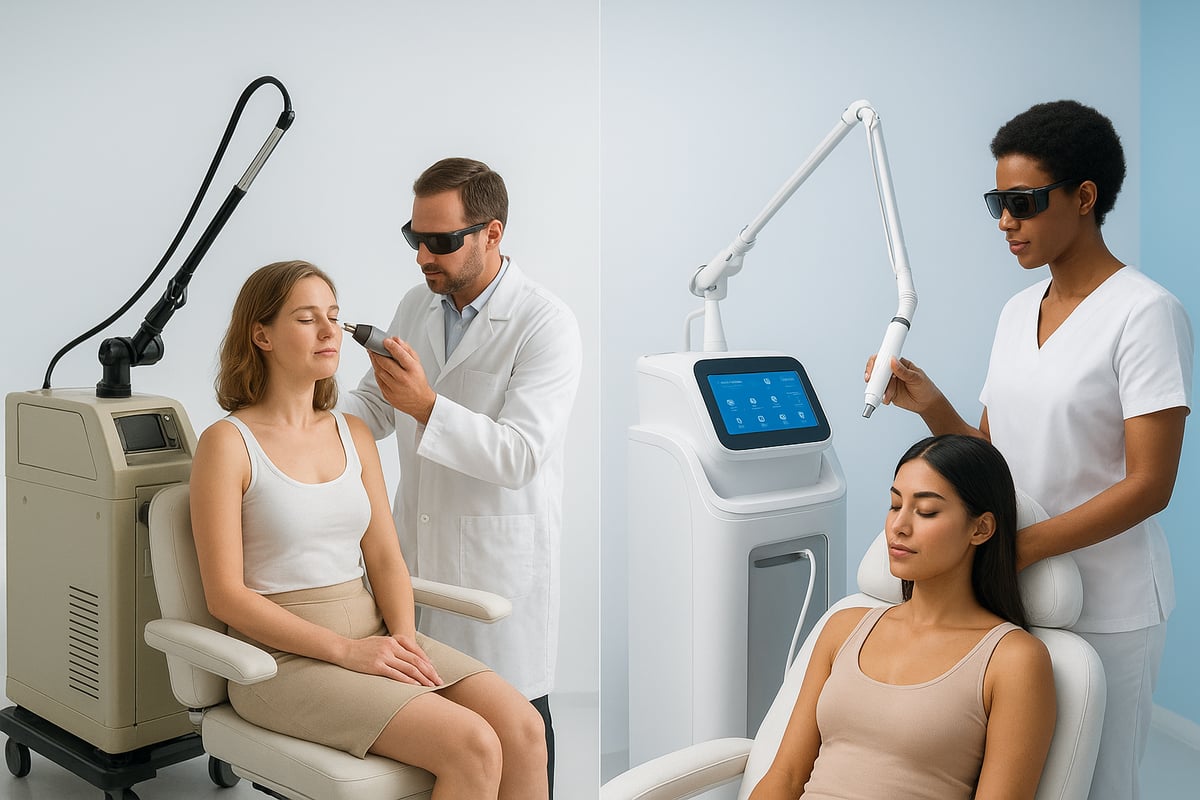
The journey of laser aesthetics began in the 1960s, when the first medical lasers were introduced into clinical practice. Early devices, such as CO2 lasers, were primarily used for precise surgical procedures and skin resurfacing. As technology advanced, the development of Q-switched lasers in the 1980s enabled effective treatment of pigmented lesions and tattoos, broadening the scope of laser aesthetics.
In the 1990s, fractional lasers emerged, revolutionizing skin rejuvenation by targeting microscopic zones and promoting faster healing. These breakthroughs set the stage for laser aesthetics to expand from strictly medical applications to highly sought-after cosmetic treatments like hair removal, scar revision, and wrinkle reduction.
Regulatory bodies began to formalize training requirements and safety standards, ensuring that practitioners could deliver laser aesthetics treatments safely and effectively. This professionalization increased public trust and further drove demand.
Throughout these decades, growing consumer interest and greater accessibility have propelled laser aesthetics from niche clinics to mainstream popularity. Today, the field continues to benefit from decades of technical refinement and clinical research, laying a strong foundation for future innovation.
Major Trends Shaping the Industry
The laser aesthetics industry is now defined by rapid innovation and a shift towards patient-centered care. A major trend is the move to minimally invasive and non-invasive procedures, providing effective results with less discomfort and downtime. Personalization has become central, with devices and protocols tailored for all skin types and tones, making laser aesthetics more inclusive than ever.
Digital tools like artificial intelligence and advanced imaging are revolutionizing diagnostics and treatment planning. AI-driven systems can analyze skin characteristics and optimize laser settings in real time, improving both safety and outcomes.
The global demand for laser aesthetics continues to surge. According to recent projections, the aesthetic lasers market is expected to surpass $8.24 billion by 2031, reflecting the rising appeal of noninvasive procedures and cutting-edge technology (Aesthetic Lasers Market Size to Surpass USD 8.24 Billion by 2031). This surge is also fueled by the popularity of combination therapies, which blend multiple modalities for comprehensive results.
As the field advances, laser aesthetics is set to become even more personalized, data-driven, and accessible, ensuring that patients benefit from the latest scientific breakthroughs with confidence and safety.
Breakthrough Laser Technologies for 2026
The field of laser aesthetics is on the cusp of a revolution, with 2026 set to introduce unprecedented advancements. As technology evolves, both patients and providers can expect more effective, safer, and environmentally responsible treatments. Staying informed about these breakthroughs ensures you make confident choices in this dynamic landscape.
Next-Generation Devices and Modalities
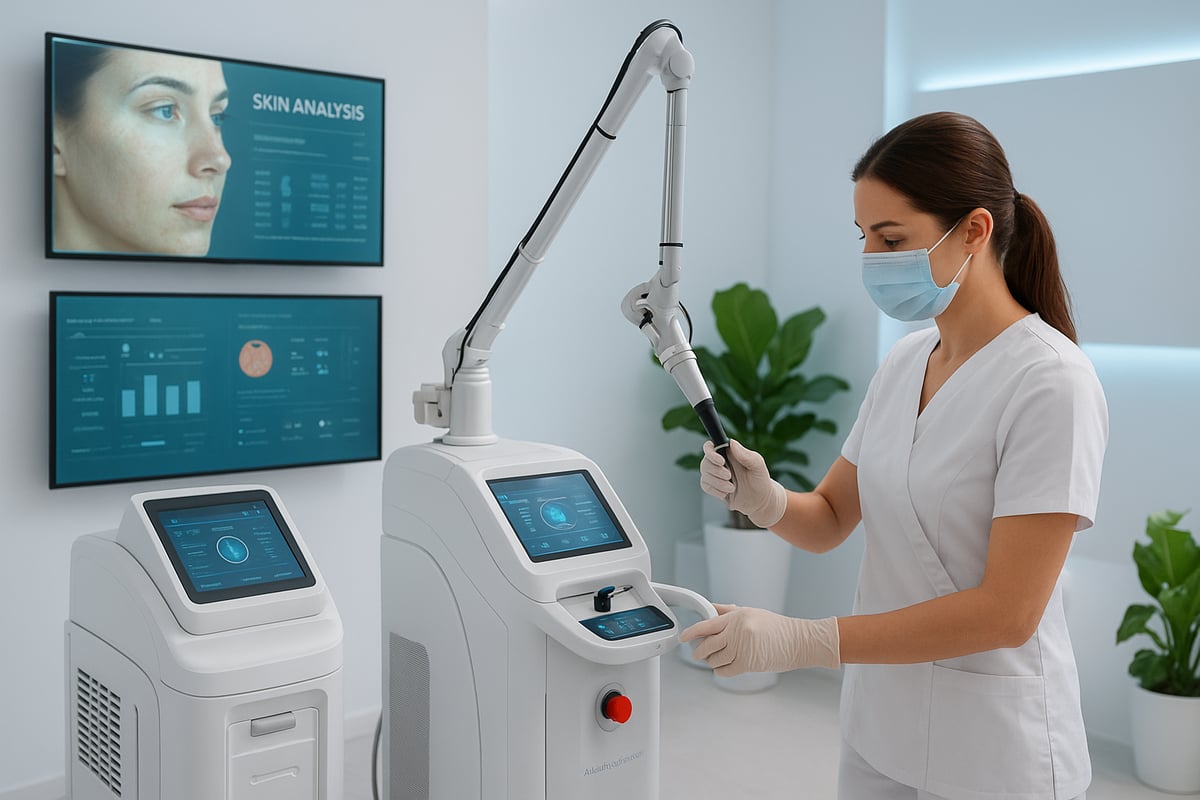
In 2026, next-generation devices are reshaping laser aesthetics. Ultra-precise picosecond and femtosecond lasers deliver enhanced results for skin rejuvenation, pigmentation, and scar treatment. These systems offer faster pulse durations, enabling targeted action with minimal thermal damage.
Multi-wavelength and hybrid platforms are now standard in clinics. These devices combine various laser types within a single system, allowing practitioners to tailor treatments for individual needs. Patients benefit from personalized care, addressing concerns like fine lines, wrinkles, and textural irregularities with greater precision.
Advancements in cooling and pain management further improve the patient experience. Modern fractional lasers now feature integrated cooling systems, reducing discomfort and minimizing downtime. Some models use AI-guided settings, automatically adjusting depth and density for optimal outcomes.
| Device Type | Wavelengths | Application |
|---|---|---|
| Picosecond Laser | 532, 755, 1064 nm | Pigmentation, tattoos |
| Femtosecond Laser | 1040, 1064 nm | Resurfacing, scars |
| Hybrid Systems | Multiple | Combination therapies |
These innovations are setting new benchmarks for safety and results in laser aesthetics.
Integration of Artificial Intelligence and Smart Systems
Artificial intelligence is transforming how laser aesthetics treatments are planned and delivered. AI-driven diagnostics use high-resolution imaging to analyze skin characteristics, identifying pigmentation, vascular concerns, and textural issues with remarkable accuracy.
Smart sensors embedded in devices provide real-time monitoring of skin response during procedures. These sensors adjust laser parameters instantly, reducing risks and ensuring consistent results. Predictive analytics, powered by machine learning, help practitioners anticipate patient outcomes and minimize side effects.
For a deeper dive into how AI and smart systems are shaping the future of aesthetics, see Highlighting Upcoming Aesthetic Innovations in 2026.
Clinics adopting AI technologies in laser aesthetics are able to offer highly customized treatments that adapt to each patient's unique skin profile. This level of personalization is changing expectations for safety, comfort, and satisfaction.
Eco-Friendly and Sustainable Innovations
Sustainability is quickly becoming a core consideration in laser aesthetics. Manufacturers are introducing energy-efficient devices that use less electricity without sacrificing performance. This shift reduces both operational costs and environmental impact.
Many clinics now choose consumables made from recyclable materials, further decreasing waste. Sustainable manufacturing processes prioritize non-toxic components and minimal packaging, supporting green initiatives across the industry.
Some leading clinics implement broader eco-friendly practices, such as energy-saving lighting, digital recordkeeping to reduce paper use, and responsible disposal of medical waste. These efforts demonstrate a commitment to both patient care and the planet.
Adopting sustainable solutions in laser aesthetics not only benefits the environment but also appeals to eco-conscious patients seeking responsible providers.
Enhanced Safety Features
Safety remains paramount as laser aesthetics technology advances. New devices come equipped with automated safety checks, ensuring that settings remain within safe parameters throughout each session. Fail-safe mechanisms help prevent burns or overexposure, offering peace of mind for both patients and practitioners.
Improved eye protection systems are now integrated into many platforms, reducing the risk of accidental injury. Enhanced patient comfort features, such as advanced cooling and ergonomic designs, contribute to a more positive experience.
Regulatory bodies are responding to these innovations with updated guidelines for 2026. Stricter device approval processes and mandatory operator certification help maintain high standards across the industry. Clinics must stay current with these regulations to deliver safe, effective laser aesthetics treatments.
The future of laser aesthetics promises a safer, more personalized, and environmentally responsible experience for all patients.
Emerging Laser Aesthetic Treatments & Applications
The landscape of laser aesthetics is rapidly transforming, offering patients more advanced, diverse, and effective treatment options than ever before. As 2026 approaches, clinics and providers are adopting groundbreaking techniques that address a wide array of skin concerns and cosmetic goals. These innovations not only improve outcomes but also enhance safety, inclusivity, and overall patient satisfaction.
Advanced Skin Rejuvenation and Resurfacing
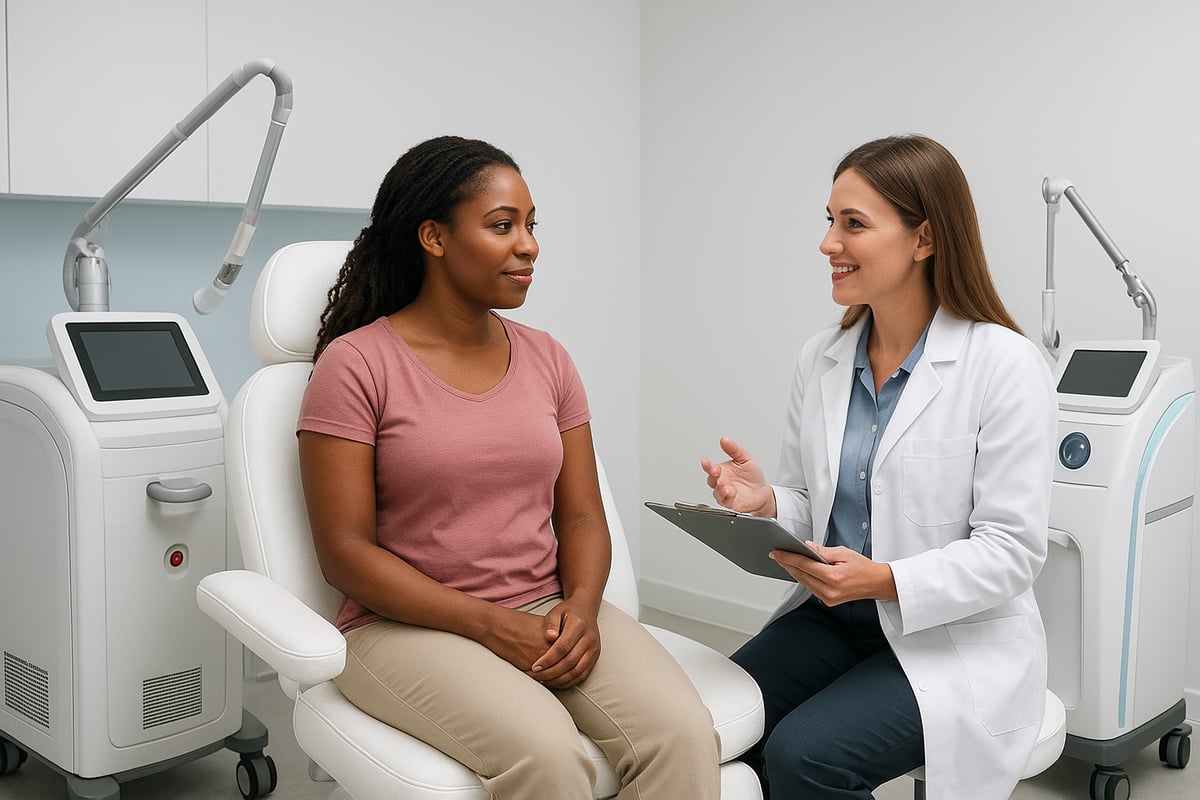
Laser aesthetics has revolutionized skin rejuvenation with ultra-fractional and combination laser systems. These devices target fine lines, wrinkles, and uneven skin texture more precisely than ever before. By using a blend of wavelengths and customizable settings, practitioners achieve natural-looking results with minimal downtime.
Non-ablative lasers are particularly popular, as they stimulate collagen production without damaging the skin’s surface. This means faster recovery and reduced risk of complications. Clinical studies consistently show high efficacy and safety profiles for these treatments.
For those seeking the latest in laser skin resurfacing innovations, advances like AI-guided fractional lasers enable tailored treatments for individual skin needs. This personalized approach is setting new standards in laser aesthetics, making skin rejuvenation more accessible and effective.
Expanded Solutions for Diverse Skin Types
Historically, laser aesthetics posed challenges for patients with darker skin tones due to risks like hyperpigmentation. New-generation devices now offer calibrated wavelengths and energy settings, making treatments safer and more inclusive.
Personalized protocols ensure that patients with Fitzpatrick skin types IV to VI can benefit from laser aesthetics without compromising safety. Providers are increasingly trained in assessing unique skin needs and adjusting treatments accordingly.
Data from industry reports highlight a significant uptick in demand for these inclusive solutions. Clinics are responding with broader treatment menus, promoting equity and confidence for all skin types seeking the advantages of laser aesthetics.
Innovative Hair Removal Techniques
Laser aesthetics continues to advance in hair removal, with diode and alexandrite lasers offering faster, more comfortable experiences. These technologies deliver precise energy to hair follicles, achieving permanent reduction even in fine or light hair areas that were once difficult to treat.
Sessions are now shorter and less painful, thanks to improved cooling systems and pulse modulation. Results are both long-lasting and highly effective, making these treatments a top choice for busy patients.
Recent case studies report high satisfaction rates, particularly among those who previously struggled with traditional methods. The evolution of hair removal is a testament to the ongoing innovation within laser aesthetics.
Novel Treatments: Tattoo Removal, Pigmentation, and Vascular Lesions
Laser aesthetics is expanding into new territories, notably with the use of picosecond lasers for multicolored and stubborn tattoo removal. These devices break down ink particles more efficiently, leading to faster fading and fewer sessions.
Treatments for pigmentation issues such as sunspots, melasma, and birthmarks have become more precise, reducing side effects and recovery time. Vascular lesions, including spider veins and port wine stains, can now be treated with minimal bruising or downtime.
These novel applications demonstrate the versatility of laser aesthetics, providing solutions for concerns that once required invasive procedures or offered limited results.
Non-Invasive Body Contouring and Cellulite Reduction
Beyond facial treatments, laser aesthetics is making waves in body contouring and cellulite reduction. Laser-assisted lipolysis targets stubborn fat deposits, while skin tightening technologies improve tone and firmness.
Combination therapies that integrate radiofrequency and ultrasound further enhance outcomes, allowing for customized protocols based on each patient’s needs. Recovery is typically swift, and patients can return to daily activities soon after treatment.
Patient satisfaction rates are high, with many reporting visible improvements after just a few sessions. This growth in non-invasive options underscores the expanding impact of laser aesthetics.
Laser-Assisted Drug Delivery and Regenerative Therapies
A new frontier in laser aesthetics involves using fractional lasers to enhance the penetration of topical agents, such as growth factors and peptides. This approach boosts the effectiveness of topical treatments, accelerating skin regeneration and healing.
Early clinical trials show promise for scar reduction and wound healing, with lasers creating microchannels that facilitate deeper absorption of therapeutic compounds. As research continues, regenerative therapies are likely to become a cornerstone of advanced laser aesthetics.
Looking ahead, these innovations are poised to redefine patient care, offering safer, more effective, and highly personalized solutions for a multitude of skin and body concerns.
Patient Experience: Safety, Comfort, and Customization in 2026
Advancements in laser aesthetics are transforming patient experiences, making treatments safer, more comfortable, and highly tailored. As the industry evolves, clinics are adopting a holistic approach that prioritizes every aspect of the patient journey. In 2026, individuals seeking laser aesthetics can expect a blend of cutting-edge technology, rigorous safety standards, and a focus on inclusivity and transparency.
Enhanced Consultation and Assessment Tools
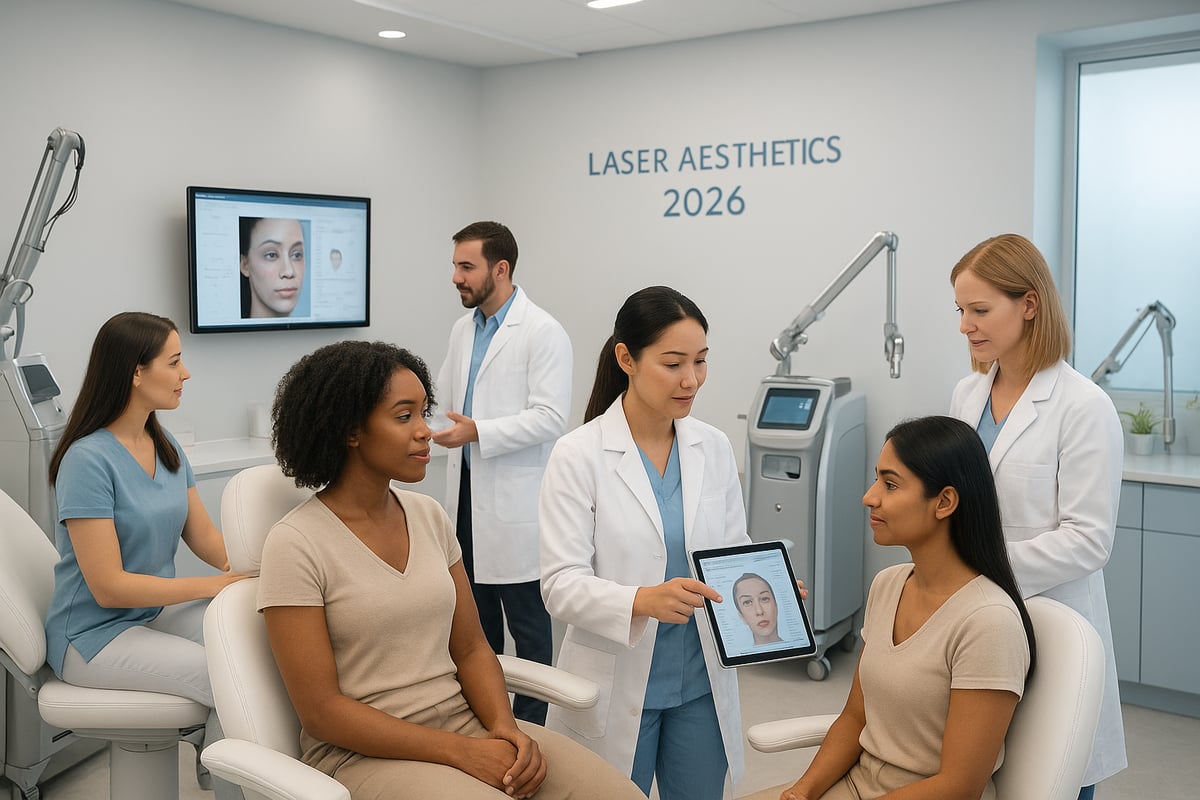
Consultations in laser aesthetics are now more precise than ever. Clinics utilize high-resolution imaging to analyze skin texture, pigmentation, and underlying concerns. AI-powered diagnostic systems interpret this data, empowering practitioners to create highly individualized treatment plans for each patient.
Virtual consultations have also become standard, allowing patients to receive expert advice from the comfort of their homes. This digital transformation streamlines planning and sets realistic expectations for outcomes. For those considering laser aesthetics, these innovations provide clarity and confidence before any procedure.
Safety Protocols and Regulatory Updates
Patient safety is at the forefront of modern laser aesthetics. Strict certification requirements ensure operators are expertly trained, and clinics must adhere to updated device safety standards. Real-time monitoring systems track patient responses during procedures, allowing immediate adjustments if necessary.
Major organizations such as the ASLMS and FDA regularly update guidelines to reflect the latest scientific evidence and technology. Clinics implement these protocols to minimize risks and deliver consistently safe results. Industry-wide, these measures elevate trust and set a new standard for laser aesthetics care.
Comfort and Recovery Innovations
Comfort is a key priority in laser aesthetics. Advanced cooling systems now protect skin during treatment, reducing discomfort and the risk of side effects. Pain management options, including topical anesthetics and gentle device settings, ensure a pleasant experience for most patients.
Recovery times have also improved, thanks to non-ablative and hybrid laser technologies that minimize tissue damage. Patients often return to daily activities much sooner. Comprehensive aftercare resources, including digital follow-ups, support optimal healing and satisfaction throughout the recovery process.
Personalization and Inclusivity
Laser aesthetics in 2026 is defined by personalization and inclusivity. Devices are now calibrated to safely treat all skin types, reducing the risk of hyperpigmentation or scarring, especially for those with darker complexions. Clinics focus on individualized protocols, considering factors such as skin sensitivity and unique treatment goals.
Inclusive marketing and ongoing provider training ensure every patient feels welcome and understood. For those concerned about pigmentation issues, specialized solutions like laser treatments for hyperpigmentation are now widely available, reflecting the commitment to tailored care in laser aesthetics.
Transparent Pricing and Accessibility
Transparency in pricing is increasingly common in laser aesthetics clinics. Patients can expect clear breakdowns of costs, including what is covered in each treatment package. Many clinics offer flexible financing options or payment plans, making advanced procedures more accessible to a broader audience.
A recent industry survey shows a 20 percent increase in clinics providing structured payment solutions. This shift supports informed decision-making and removes financial barriers, allowing more people to benefit from the latest advancements in laser aesthetics.
Choosing the Right Laser Aesthetics Provider in 2026
Selecting the best laser aesthetics provider in 2026 is crucial for achieving safe, effective, and satisfying results. With rapid advancements in technology and higher patient expectations, making informed choices ensures you receive top-quality care tailored to your needs.
Credentials, Training, and Experience
When researching laser aesthetics providers, start by verifying professional credentials. Look for clinics with board-certified dermatologists or physicians, as well as licensed medical aestheticians who have completed specialized training in laser technologies.
| Qualification | Why It Matters | What to Look For |
|---|---|---|
| Board Certification | Ensures medical expertise | Dermatology, Surgery |
| Device Certification | Safe, effective operation | Manufacturer training |
| Continuing Education | Up-to-date with new advances | Recent course completion |
Experienced providers are more likely to handle complex cases and minimize risks associated with laser aesthetics procedures. Ask about ongoing education, as the field is evolving rapidly.
Evaluating Clinic Technology and Offerings
The right clinic should offer state-of-the-art laser aesthetics equipment tailored to various skin types and concerns. Explore the range of devices and treatment modalities available, such as picosecond or hybrid lasers, and inquire about their suitability for your needs.
Questions to ask include:
- What devices are used for different laser aesthetics treatments?
- Are the technologies approved for all skin types?
- How does the clinic stay current with trends and best practices?
For deeper insights into future-focused technologies, review resources on Top Aesthetic Medicine Trends to Watch in 2026, which highlight the importance of advanced devices and protocols.
Patient Reviews, Before-and-After Results, and Reputation
A reputable laser aesthetics provider should have a strong track record of positive patient experiences. Look for online reviews, testimonials, and before-and-after galleries to gauge consistency and quality.
Red flags to watch for:
- Lack of patient feedback or transparency
- Overpromising results with little evidence
- Reports of poor communication or safety concerns
Professional organization memberships can also indicate commitment to ethical standards in laser aesthetics.
Consultation Process and Personalization
A thorough consultation is the foundation of a successful laser aesthetics journey. Expect providers to use digital imaging, skin analysis, and detailed questionnaires to personalize your treatment plan.
During your consultation, ensure:
- Your goals and concerns are clearly understood
- Risks, benefits, and alternatives are explained
- You receive a tailored treatment roadmap
Personalization is essential for optimal results, especially as laser aesthetics technology becomes more sophisticated.
Cost, Packages, and Financing Options
Understanding the full cost of laser aesthetics treatments prevents surprises later on. Request detailed pricing breakdowns, including what is covered in each session, and compare package deals for bundled services.
Many clinics now offer flexible payment plans or financing options to make laser aesthetics more accessible. Ask about promotions, discounts, or insurance coverage where applicable.
Transparent pricing reflects a provider’s commitment to ethical business practices and patient satisfaction.
Safety, Hygiene, and Aftercare Standards
Safety should always be a top priority when choosing a laser aesthetics provider. Confirm that the clinic follows strict hygiene protocols, including device sterilization and infection control.
Key safety features to look for:
- Certified operators and up-to-date device maintenance
- Real-time monitoring during procedures
- Comprehensive aftercare instructions and follow-up support
Providers who adhere to regulatory guidelines and prioritize patient education set the standard for excellence in laser aesthetics care.