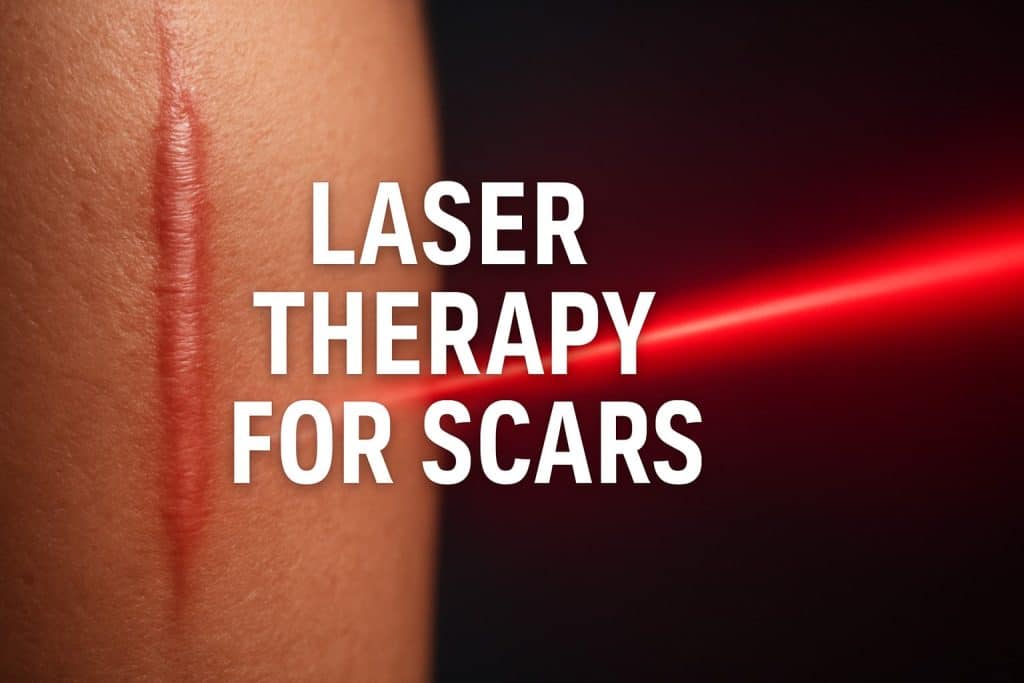
Every year, more than 100 million people develop scars, and many of them are searching for effective ways to achieve smoother, healthier skin. In 2026, laser therapy for scars stands out as a leading, science-backed solution, offering hope and real results for those affected by noticeable marks.
This comprehensive guide provides expert insights into laser therapy for scars, covering the latest advancements, who makes an ideal candidate, step-by-step treatment procedures, and essential aftercare tips. You will also learn about the technology behind these treatments, expected results, potential risks, and how to choose the right provider.
Ready to discover how new innovations in laser therapy for scars can help you make informed decisions for your skin’s future? Let’s begin your journey to greater confidence and clarity.
Understanding Scars and Their Impact
Scarring is a universal experience, affecting millions globally each year. Not all scars are the same, and their impact can be both visible and deeply personal. To make informed decisions about laser therapy for scars, it is essential to understand the types, effects, and treatment options.
Types of Scars Treated by Laser Therapy
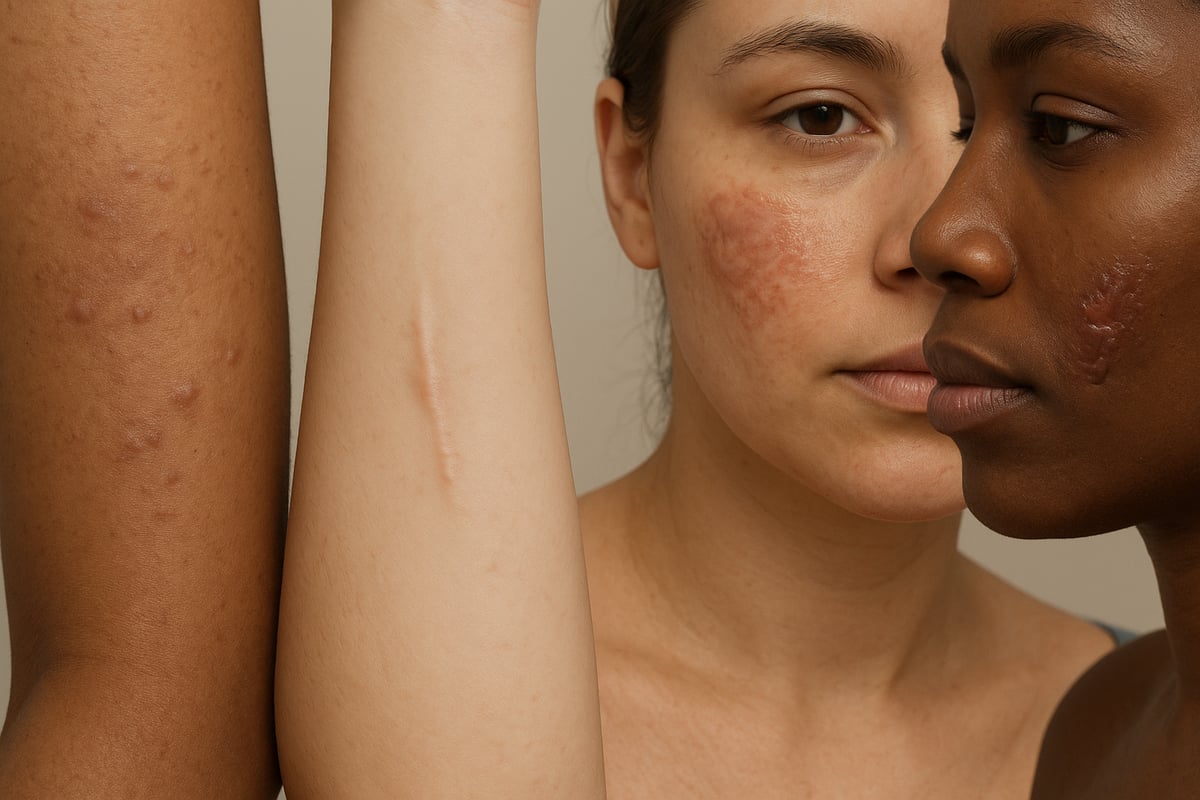
There are several types of scars commonly treated with laser therapy for scars:
- Atrophic scars: Depressed areas, often caused by acne or chickenpox.
- Hypertrophic scars: Raised, red scars that stay within the wound boundary, often from surgery or injury.
- Keloid scars: Firm, raised scars that grow beyond the original wound area.
- Contracture scars: Tight, thick scars that can restrict movement, frequently seen after burns.
The cause of a scar—whether acne, surgical incision, burn, or trauma—affects its appearance and response to laser therapy for scars. For example, hypertrophic scars appear in up to 70% of deep dermal injuries, while burn scars often require more intensive approaches than acne scars. Each scar type responds differently to laser therapy for scars, and the choice of laser is tailored accordingly.
Physical and Emotional Effects of Scarring
Visible scars can influence a person’s self-esteem and social confidence. Many individuals with prominent scars feel self-conscious or anxious in public. The impact of scarring is not just cosmetic—contracture scars can restrict movement and daily function.
Studies show that patients who undergo laser therapy for scars often report improved quality of life, with decreased pain and itching. For instance, burn survivors have shared that laser therapy for scars not only softens skin but also reduces discomfort, supporting both physical and emotional recovery.
Traditional Scar Treatments vs. Laser Therapy
Historically, scar treatments included silicone sheets, steroid injections, and surgical revision. These methods offer varying levels of success and can involve prolonged recovery. In contrast, laser therapy for scars is minimally invasive, with faster healing and less risk of complications.
Clinical data reveal that laser therapy for scars can reduce scar thickness by up to 60%. According to a Cochrane review on laser therapy for hypertrophic and keloid scars, lasers are particularly effective for raised and red scars. While traditional methods are still useful in some cases, laser therapy for scars is often the preferred choice for stubborn or complex scars.
| Treatment | Effectiveness | Recovery Time | Risks |
|---|---|---|---|
| Silicone Sheets | Moderate | Ongoing | Minimal |
| Steroid Injections | Variable | Days | Skin thinning |
| Surgery | High (selective) | Weeks | Infection, recurrence |
| Laser Therapy | High (most scars) | Days | Redness, swelling |
Who is a Candidate for Laser Scar Therapy?
Candidates for laser therapy for scars include individuals with scars of various ages and types, provided they are in good health. Factors such as skin type, scar location, and underlying medical conditions are evaluated. Certain medications or skin disorders may exclude some patients.
Providers also consider the Fitzpatrick skin type to ensure safety, as some lasers pose higher pigmentation risks for darker skin. A professional assessment is crucial before starting laser therapy for scars to determine the safest and most effective approach for each individual.
How Laser Therapy Works for Scars
Laser therapy for scars is a leading option for those seeking smoother, more even skin. This approach uses advanced technology to remodel scar tissue and promote natural healing. Understanding how these lasers work can help you decide if this treatment is right for your needs.
The Science Behind Laser Scar Treatment
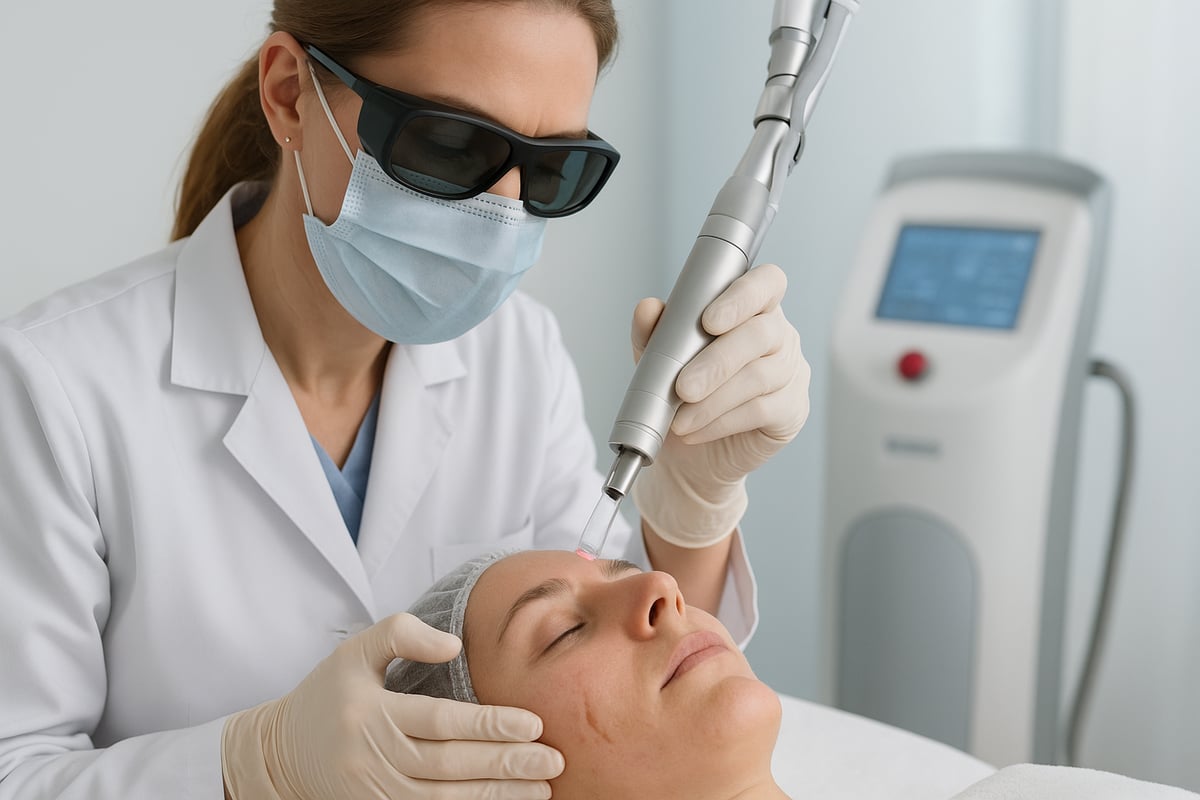
At the core of laser therapy for scars is the use of focused light energy. These lasers target scarred skin with controlled pulses, stimulating the body’s natural repair processes. The energy from the laser breaks down excess scar tissue and encourages new collagen production.
This remodeling process can smooth out raised or uneven areas. For example, fractional CO2 lasers create thousands of microscopic columns in the skin, prompting fresh, healthy tissue to replace damaged scar tissue. CO2 and pulsed dye lasers are especially effective for hypertrophic scars due to their precision and depth control.
By customizing the wavelength and intensity, providers can safely treat different scar types and skin tones.
Types of Lasers Used in Scar Treatment
There are several lasers used in laser therapy for scars, each suited to specific scar types. Ablative lasers like CO2 and Er:YAG remove outer skin layers, making them ideal for deep or thick scars. Non-ablative lasers work beneath the surface, stimulating collagen without removing skin, which means less downtime.
Pulsed dye lasers focus on blood vessels, making them effective for red, raised scars. Fractional lasers treat only a fraction of the skin at a time, allowing for faster healing and fewer side effects. In fact, fractional lasers can reduce downtime by up to 50% compared to traditional ablative approaches.
For more on advanced options, read about Fractional CO2 Laser Treatments and how they benefit scar remodeling.
Advantages of Laser Therapy Over Other Modalities
Laser therapy for scars offers several clear advantages. The procedure is minimally invasive, which leads to less downtime and a lower risk of infection compared to surgical methods. Treatments are highly customizable, allowing providers to tailor the approach for each patient’s unique skin type and scar characteristics.
Laser therapy for scars can also be combined with other treatments, such as microneedling or platelet-rich plasma (PRP), for enhanced results. For example, using laser therapy plus microneedling for acne scars often produces smoother, more consistent outcomes.
Because of its precision, laser therapy for scars is often the preferred choice when other modalities fall short.
Limitations and Considerations
Despite its benefits, laser therapy for scars does have limitations. Not all scars respond the same way, and some may require multiple sessions for noticeable improvement. Potential side effects include temporary redness, swelling, and pigment changes, especially in individuals with darker skin tones.
The cost of laser therapy for scars can vary, and insurance may not always cover the treatment. For complex scars, such as burn scars, anesthesia may be needed, and recovery can take longer.
Consultation with a qualified provider is essential to determine candidacy and set realistic expectations for laser therapy for scars.
Technological Advances in 2026
The future of laser therapy for scars is promising, thanks to recent technological advances. New laser devices now use AI-driven systems to customize treatment settings based on skin type and scar depth, increasing both safety and effectiveness.
Enhanced imaging allows for precise targeting, reducing the risk of side effects. Advances in laser design have improved outcomes for patients with darker skin, making laser therapy for scars accessible to a broader population.
Recent studies indicate up to 80% patient satisfaction with advanced fractional lasers, highlighting the significant progress in this field.
What to Expect: The Laser Scar Treatment Process
Embarking on laser therapy for scars is a step-by-step journey supported by modern technology and expert care. Understanding what happens during each stage helps you approach treatment with confidence and realistic expectations. Here’s a comprehensive look at the process to guide you from your first consultation to visible results.
Step 1: Consultation and Assessment
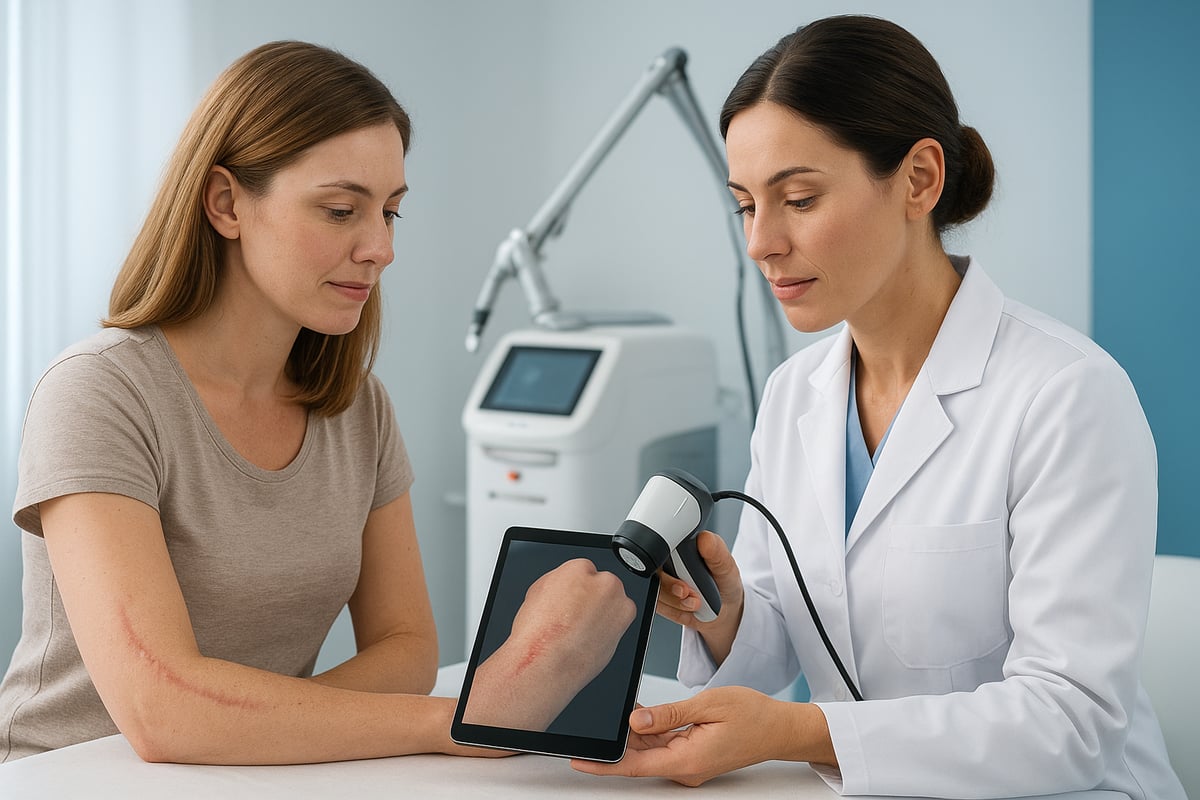
The first step in laser therapy for scars is a thorough consultation with a dermatologist or laser specialist. During this visit, your provider reviews your medical history, examines the scar’s type and location, and discusses your goals. Advanced imaging tools, such as 3D scanning, may be used to analyze scar depth and structure precisely.
Patch testing is often performed to check your skin’s response to the laser. This helps ensure safety and optimal results. The consultation concludes with a personalized treatment plan tailored to your unique needs, setting the stage for effective laser therapy for scars.
Step 2: Preparing for Laser Therapy
Proper preparation is essential to maximize the benefits of laser therapy for scars. Your provider will give you pre-treatment instructions, which typically include avoiding sun exposure and pausing certain medications that may affect healing. You may also need to adjust your skincare routine, stopping products that can irritate the skin.
Depending on the scar and your comfort, a topical anesthetic or local anesthesia might be recommended before the session. Setting realistic expectations is key, as improvements are gradual. If you have active skin conditions like acne, your provider may recommend delaying laser therapy for scars until your skin is clear.
Step 3: The Laser Procedure
The actual procedure for laser therapy for scars is performed in a clinical setting and usually takes between 15 to 60 minutes. Comfort is prioritized, with cooling devices or numbing agents applied as needed. The skin is cleansed, and protective eyewear is provided.
Your provider uses advanced laser devices, such as those described in the CO2 Laser Resurfacing Overview, to precisely target scar tissue. Fractional CO2 lasers create micro-columns in the skin, stimulating remodeling and new collagen formation. The process is controlled and customized for your scar type, ensuring effective laser therapy for scars.
Step 4: Immediate Post-Treatment Care
After laser therapy for scars, you can expect some redness, swelling, and mild discomfort, similar to a moderate sunburn. These effects are temporary and usually resolve within days. Your provider will apply soothing ointments or recommend cool compresses to help ease any discomfort.
It’s important to avoid direct sun exposure, makeup, or harsh skincare products in the first few days. Following these instructions supports optimal healing after laser therapy for scars. Initial recovery typically takes three to ten days, varying by the type of laser used and the extent of the treatment.
Step 5: Recovery and Long-Term Aftercare
Long-term care is crucial for maintaining the benefits of laser therapy for scars. Use gentle cleansers, fragrance-free moisturizers, and broad-spectrum sunblock as recommended. Monitoring for signs of infection, prolonged redness, or changes in pigmentation is essential for safe healing.
Your provider may schedule follow-up visits to assess progress and determine if additional sessions are needed. In some cases, especially with burn scars, physical therapy may be combined with aftercare to support mobility and skin function. Consistent aftercare ensures the lasting success of laser therapy for scars.
Expected Timeline and Results
Results from laser therapy for scars develop gradually. Most people see visible improvement after two to three sessions, with optimal results emerging over three to six months. Multiple treatments, typically three to six, may be required depending on the scar’s severity and type.
Improvement is measured by reduced thickness, smoother texture, and less discoloration. Clinical studies report up to a 70 percent reduction in scar visibility with laser therapy for scars. Your provider will guide you on what to expect, helping you track progress and celebrate milestones as your skin transforms.
Risks, Side Effects, and Safety Considerations
Understanding the risks and safety profile of laser therapy for scars is essential for anyone considering this advanced treatment. While modern technology has improved outcomes, it is important to be aware of possible effects, how to manage them, and what makes the procedure safe for diverse individuals.
Common Side Effects and How to Manage Them
Most people experience mild, temporary side effects after laser therapy for scars. Typical reactions include redness, swelling, itching, and slight pain at the treated site. These effects usually resolve within a few days as the skin heals.
It is not uncommon for minor scabbing or peeling to occur, which is a normal part of the recovery process. To manage these symptoms, providers often recommend:
- Applying prescribed creams or ointments.
- Using cool compresses to reduce swelling.
- Avoiding direct sun exposure and harsh skincare products.
Here is a quick summary:
| Side Effect | Duration | Management |
|---|---|---|
| Redness/Swelling | 2-5 days | Cool compress, gentle care |
| Itching | 1-3 days | Moisturizer, avoid scratching |
| Scabbing/Peeling | 3-10 days | Do not pick, hydrate skin |
Following aftercare instructions is crucial for optimal healing after laser therapy for scars.
Rare Complications and How to Avoid Them
Though laser therapy for scars is generally safe, rare complications can occur. These include infection, blistering, prolonged pigment changes, or even new scarring. Such risks are minimized by choosing an experienced provider and adhering strictly to post-procedure care.
Serious issues like infection or persistent discoloration are uncommon, with complication rates reported below 2% in accredited clinics. According to the Laser treatment of traumatic scars consensus report, proper technique and patient selection play a major role in reducing risks.
Patients should:
- Monitor for signs of infection such as fever or pus.
- Contact their provider promptly if unusual symptoms develop.
- Avoid self-treating adverse effects.
Professional oversight greatly enhances safety with laser therapy for scars.
Safety for Different Skin Types and Tones
Advances in laser technology have made laser therapy for scars safer for all skin tones, including individuals with darker complexions. The choice of laser type and settings is adapted based on the patient’s Fitzpatrick skin type to minimize risks like hyperpigmentation or hypopigmentation.
For example, Nd:YAG lasers are preferred for darker skin due to their deeper penetration and reduced risk of pigment changes. Patch testing and gradual energy increments are standard precautions.
Key safety considerations:
- Use of appropriate laser for skin tone.
- Careful energy adjustment.
- Close monitoring during and after treatment.
These measures help ensure laser therapy for scars remains a safe option for diverse populations.
Insurance, Cost, and Accessibility
The cost of laser therapy for scars varies widely, influenced by scar size, location, and the number of sessions needed. Cosmetic treatments are rarely covered by insurance unless the scarring is medically significant, such as after burns.
Typical costs range from $300 to $1,500 per session. Some clinics offer package pricing or financing to improve accessibility. In cases where scarring impairs function, such as contractures, insurance may provide partial coverage with proper documentation.
Patients should:
- Review their insurance policy.
- Discuss payment options with providers.
- Seek clinics offering transparent pricing.
Understanding these factors helps make laser therapy for scars a more accessible and informed choice.
Choosing the Right Provider for Laser Scar Treatment
Selecting the right provider is a critical step in your journey with laser therapy for scars. The expertise, technology, and aftercare support offered by your clinic can significantly influence your results and overall experience. Knowing what to look for ensures you make an informed and confident choice.
Qualifications to Look For
When considering laser therapy for scars, prioritize providers with strong credentials and relevant experience. Look for board-certified dermatologists, plastic surgeons, or licensed laser technicians who specialize in scar treatment. Membership in professional organizations such as the American Society for Dermatologic Surgery (ASDS) indicates a commitment to ongoing education and high standards.
Experience with a wide range of scar types, skin tones, and the latest laser platforms is essential. Providers should be trained in both ablative and non ablative lasers, as well as combination approaches. For those in Toronto, clinics offering Laser Skin Resurfacing Toronto services demonstrate access to advanced technology and comprehensive scar solutions.
Questions to Ask During Your Consultation
A thorough consultation helps you understand if laser therapy for scars is right for you. Prepare questions to gauge the provider’s expertise and approach:
- What laser devices do you recommend for my scar type and skin tone?
- How many patients with similar scars have you treated?
- What results can I realistically expect, and how many sessions are likely needed?
- What are your complication rates, and how do you manage side effects?
This dialogue is your opportunity to clarify the process, set expectations, and ensure you feel comfortable with the clinic’s protocols. Trustworthy providers welcome these inquiries and offer transparent, evidence based answers.
Laser Scar Treatments at New Skin Laser Clinic, Toronto
The New Skin Laser Clinic in Toronto stands out for its advanced approach to laser therapy for scars. The clinic utilizes state of the art devices like CO2 CoolPeel and Fraxel, suitable for treating acne, surgical, and burn scars on all skin types. Patients benefit from personalized assessments and treatment plans crafted by experienced estheticians and a registered nurse.
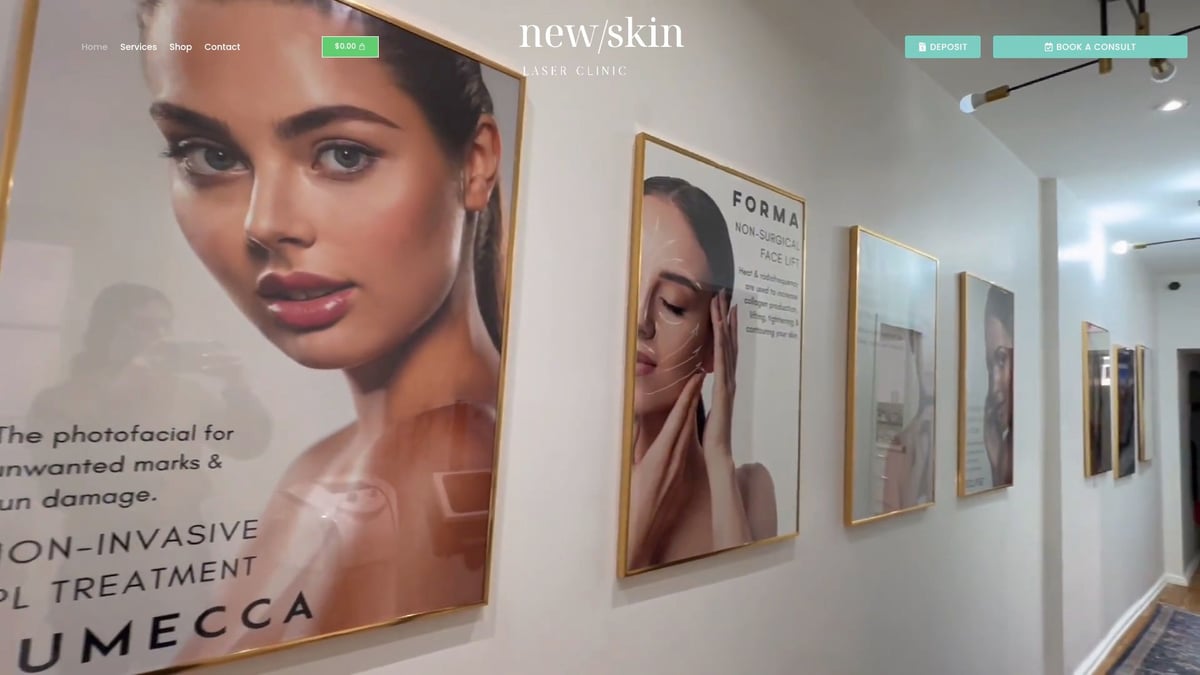
The clinic’s technology is designed for minimal downtime while maximizing safety, especially for darker skin tones. Located conveniently on Queen Street East, New Skin Laser Clinic offers flexible payment options and tailored packages, making expert scar care accessible. Book a consultation to receive a customized strategy from trusted professionals.
Importance of Aftercare Support and Follow-Up
Aftercare is a key component of successful laser therapy for scars. Providers should supply detailed instructions for skincare, sun protection, and activity restrictions post treatment. Ongoing support ensures that any complications are addressed promptly and that healing progresses optimally.
Opt for clinics that prioritize follow up care and provide easy access for questions or concerns. For example, clinics offering 24 7 post treatment support tend to achieve higher patient satisfaction. Consistent communication and realistic expectations are foundational to lasting, positive results.
Latest Research and Future Trends in Laser Scar Therapy
Laser therapy for scars is advancing rapidly, driven by both technological innovation and evolving patient needs. In 2026, new research is shaping how clinicians approach scar treatment, making outcomes more predictable and accessible than ever. Let us explore the latest breakthroughs, expanded uses, patient perspectives, and what the future holds for laser therapy for scars.
Breakthroughs in Laser Technology
Recent years have seen remarkable breakthroughs in laser therapy for scars. AI-guided laser systems are now able to analyze skin type and scar depth, then deliver precise energy tailored to each patient. This personalization improves safety and enhances results.
Combination therapies are another major trend. By integrating different laser wavelengths or pairing laser therapy for scars with topical biologics, clinicians achieve better outcomes in less time. For example, a comprehensive review of combined laser strategies for scar treatment highlights how synergistic protocols can increase efficacy and reduce downtime. Data from recent trials show up to 90% improvement rates with these combined approaches.
Expanding Indications: Beyond Traditional Scars
The applications of laser therapy for scars now extend well beyond acne and surgical scars. Today, lasers are used to treat stretch marks, pigment disorders, and even challenging contracture scars. Pediatric patients are also benefiting, as new safety protocols and gentler devices make treatment possible for children.
Regulatory approvals have expanded as well. For instance, fractional lasers are now cleared for use on post-mastectomy and other surgical scars, offering new hope for recovery and cosmetic improvement. As technology evolves, laser therapy for scars continues to reach a wider range of patients.
Patient Experience and Satisfaction in 2026
Patient experience is at the forefront of modern laser therapy for scars. Surveys from 2026 reveal that over 85% of patients report greater confidence and satisfaction after treatment. Clinics are focusing on pain management, comfort, and clear communication throughout the process.
Real patient stories underscore these findings. Burn survivors, for example, often regain both mobility and self-esteem after targeted laser sessions. Enhanced protocols mean shorter procedure times and fewer side effects, making laser therapy for scars a more appealing option than ever before.
Addressing Diversity and Inclusivity in Scar Care
Inclusivity is a top priority in current research and practice. Laser therapy for scars is now safer for all skin tones, thanks to devices that adjust energy delivery based on pigmentation. New FDA-approved lasers are specifically designed for Fitzpatrick skin types IV to VI.
Clinics are adopting rigorous protocols, including patch testing and gradual energy increases, to minimize risks for patients with darker skin. These advances ensure that everyone can benefit from laser therapy for scars, regardless of their background or complexion.
The Role of Telemedicine and Digital Tools
Digital innovation is transforming the way patients access laser therapy for scars. Virtual consultations allow specialists to assess scars remotely, saving time and increasing convenience. Mobile apps now help patients track healing, schedule appointments, and receive reminders for aftercare.
AI-driven photo analysis tools are becoming standard, providing objective feedback on progress and outcomes. These digital advancements empower patients to take an active role in their recovery and maintain communication with their care teams throughout the laser therapy for scars journey.
Ongoing Clinical Trials and What’s Next
Ongoing research is pushing the boundaries of what laser therapy for scars can achieve. Clinical trials are investigating stem cell-enhanced laser treatments, aiming for regenerative healing and long-lasting results. Studies are also focusing on recurrence rates and the durability of improvements over time.
Recent trials, such as a randomized controlled study on fractional CO2 laser in burn scars, demonstrate significant benefits from combining lasers with regenerative therapies. The future of laser therapy for scars is moving toward patient-centered, holistic approaches that consider both functional and cosmetic outcomes.