

Back pain affects as many as 23 percent of adults worldwide, making it a leading cause of discomfort and lost productivity. As more people seek relief without major surgery, interest is rising in back laser treatments, which offer a minimally invasive and innovative solution.
This guide provides a comprehensive look at back laser options for 2026, drawing on expert insights and the most up-to-date treatment advances. You will discover how laser therapy works, its benefits and risks, perspectives from leading specialists, comparisons with other treatments, and what to expect throughout the process.
If you are searching for lasting relief from back pain, this resource will help you explore every option and move closer to the comfort you deserve.
Understanding Back Laser Therapy: How It Works
Back laser therapy offers a cutting-edge approach for those seeking relief from persistent back pain. This method uses focused light energy to stimulate healing and regeneration in spinal tissues. As technology evolves, back laser treatments are becoming more tailored, precise, and accessible for a range of back conditions.
The Science Behind Laser Therapy
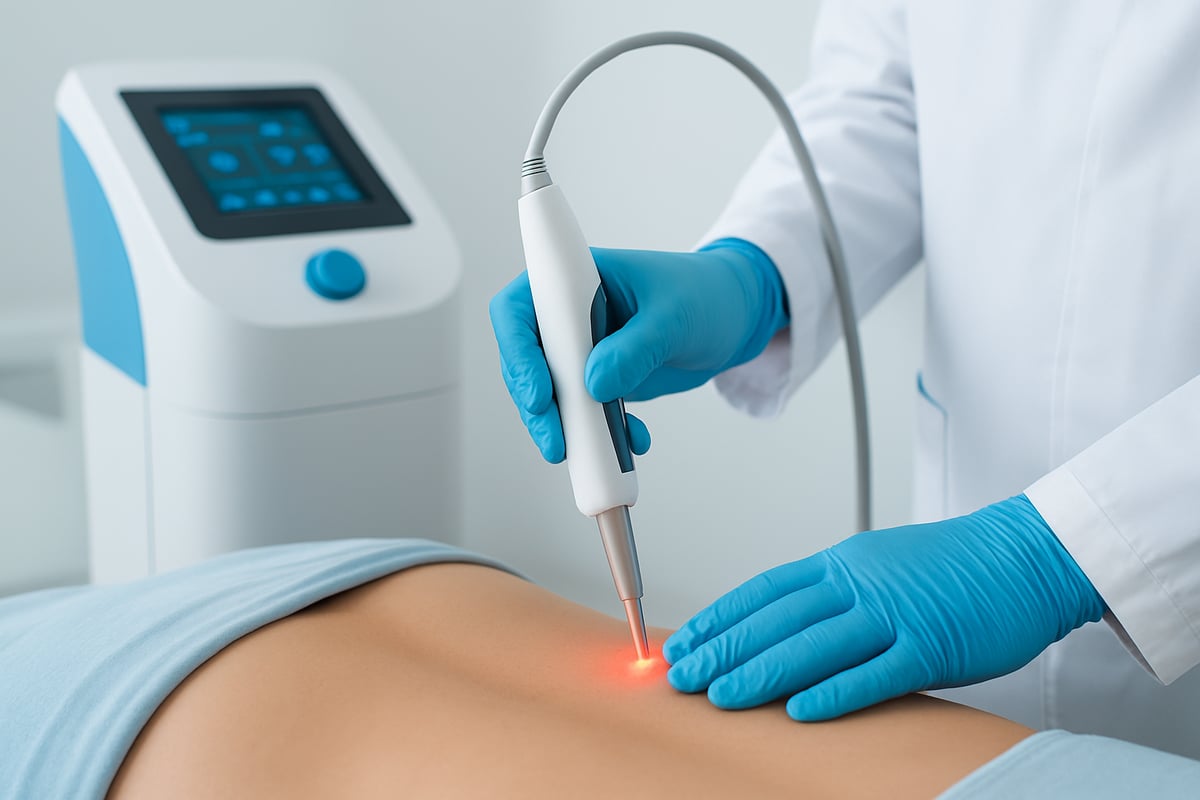
The science of back laser therapy centers on delivering concentrated light energy directly to affected tissues. Lasers interact with cell membranes and mitochondria, which boosts cellular metabolism and encourages tissue repair. This process can influence DNA activity, supporting regeneration at the molecular level.
There are two main types: low-level laser therapy (LLLT), which uses gentle energy to stimulate healing, and high-intensity laser therapy (HILT), which penetrates deeper for more severe issues. Systemic effects are possible via blood flow and acupuncture meridians, expanding therapeutic reach. Evidence from clinical trials, such as the Cochrane review on low-level laser therapy for low-back pain, supports the idea that the right laser settings can promote healing without harming healthy cells.
Types of Laser Treatments for Back Pain
Several back laser treatment options exist, each with unique mechanisms and applications. The main types include:
| Laser Type | Mechanism | Typical Use Case |
|---|---|---|
| LLLT | Low-power, surface | Chronic, nonspecific pain |
| HILT | High-power, deeper | Severe, persistent pain |
| PLDD | Needle, disc targeting | Herniated or bulging discs |
PLDD stands out as a minimally invasive surgical choice for herniated discs, using a tiny needle to deliver laser energy directly to the disc. Since 2020, advancements have improved precision, safety, and outcomes. Ultimately, the best back laser approach depends on the specific back issue, making personalization key.
Physiological Effects and Targeted Outcomes
Back laser therapy triggers several physiological responses, including:
- Increased collagen production for tissue strength
- Improved local blood circulation
- Enhanced endorphin release for natural pain relief
- Reduced inflammation and swelling
These effects are highly selective, as only abnormal or damaged cells absorb significant laser energy. A 2025 review of 28 randomized studies found measurable improvements in function and pain relief. The primary goals are to reduce discomfort and encourage tissue regeneration. For example, randomized controlled trials show that patients experience greater lateral flexion and reduced disability after back laser sessions.
Who is a Candidate for Back Laser Therapy?
Ideal candidates for back laser treatments typically include those with chronic pain, herniated or bulging discs, or individuals who have not responded to conservative therapies. However, certain health conditions, pregnancy, and active infections may exclude some from treatment.
Patient selection involves a thorough medical evaluation, often including imaging and consultation. In clinical practice, professionals assess medical history, current symptoms, and prior treatments before recommending back laser therapy. Not every back pain sufferer is suited for this approach, so expert assessment ensures the safest and most effective outcome.
Benefits of Laser Therapy for Back Pain
Laser therapy has become an appealing solution for those seeking effective relief from persistent back pain. The back laser approach offers a blend of cutting-edge science, clinical results, and practical advantages for patients who qualify. Let us explore the main benefits that make this therapy increasingly popular in modern pain management.
Pain Reduction and Improved Function
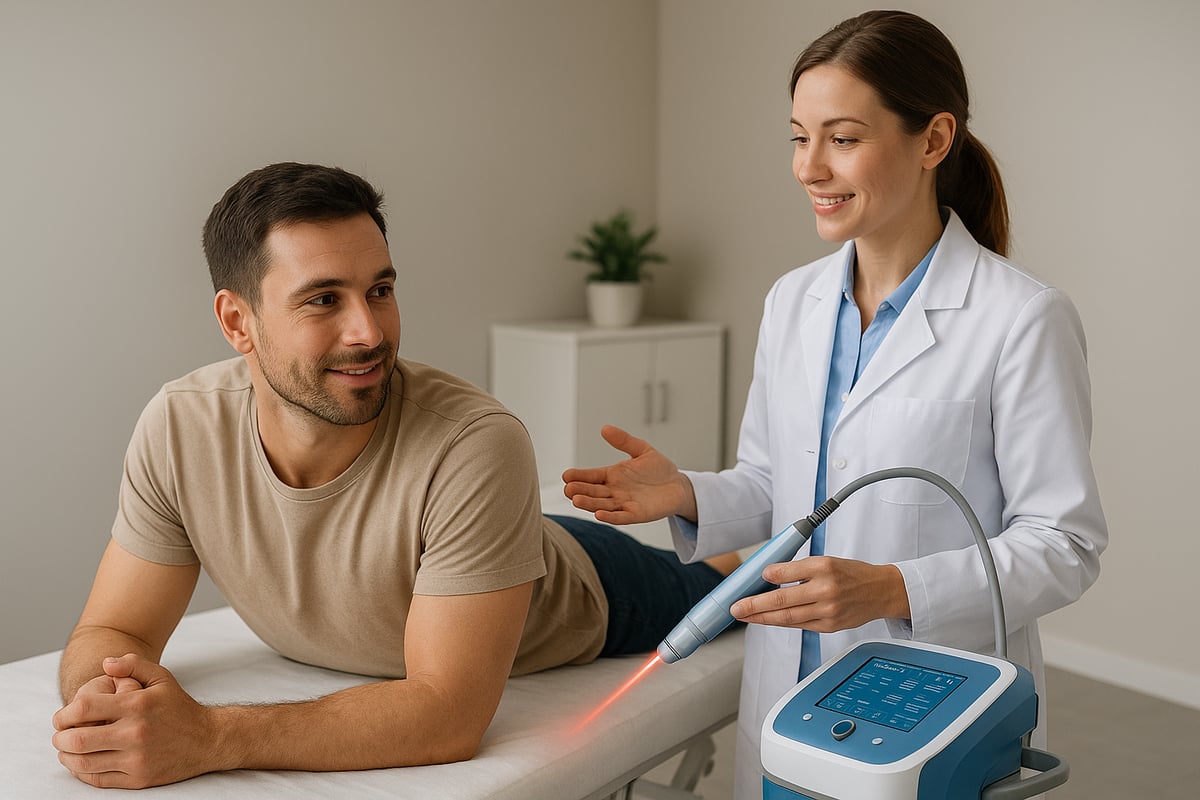
Clinical studies consistently show that back laser therapy can deliver significant pain relief for many patients. For example, research from 2020 and 2022 found that up to 72.4 percent of individuals in the real laser group achieved notable reductions in pain intensity compared to placebo groups.
Beyond just easing discomfort, back laser treatments often result in better mobility and improved quality of life. Patients commonly report being able to move with greater freedom and less stiffness, especially when combination laser types are used. In randomized controlled trials, enhanced lateral flexion and reduced disability scores were observed, confirming that back laser therapy can produce real functional gains.
Non-Invasive and Minimally Invasive Advantages
One of the most attractive features of back laser therapy is its non-invasive or minimally invasive nature. Unlike traditional open surgeries, such as spinal fusion, back laser procedures do not require large incisions or extensive tissue disruption.
This means patients experience less trauma, minimal scarring, and a faster return to daily activities. After a back laser session, most individuals report little to no discomfort and avoid the risks of major surgical complications. The lower likelihood of infections and the absence of general anesthesia make back laser a preferred option for those who want effective relief without major downtime.
Regeneration and Long-Term Tissue Health
Back laser therapy is not just about symptom control, it also supports the body's natural repair processes. By stimulating collagen production and tissue regeneration, the therapy aims to provide lasting benefits for spinal health.
For example, after procedures like percutaneous laser disc decompression, patients have shown a reduced risk of disc re-bulging over time. This regenerative effect is central to the back laser philosophy, which targets both immediate pain and the underlying tissue damage. By enhancing circulation and encouraging cellular repair, back laser may help address the root causes of chronic back issues rather than simply masking symptoms.
Safety Record and Side Effect Profile
When it comes to safety, back laser therapy stands out among other interventions. According to the National Center for Complementary and Integrative Health, the risk profile of back laser is generally favorable when performed by qualified professionals.
Most side effects are mild, such as temporary discomfort or slight redness at the treatment site. Serious complications are rare, especially compared to risks associated with surgery or long-term medication use. Patient testimonials and clinical reviews consistently highlight the low incidence of adverse outcomes, making back laser a reliable choice for many seeking a safer alternative.
Limitations and Evidence Quality
Despite its promise, back laser therapy is not a universal solution. The quality of evidence varies, with some studies suggesting that benefits may be limited to the short term, often up to three months. Areas such as chronic, nonspecific back pain show the strongest support, while other conditions need further investigation.
Potential bias in industry-sponsored research and variability in technique can affect outcomes. For a comprehensive overview of the evidence, readers may wish to consult this Meta-analysis on low-level laser therapy for chronic low back pain, which details both the strengths and gaps in current research. Ultimately, making an informed decision about back laser requires a balanced understanding of its capabilities and limitations.
Risks, Contraindications, and Considerations
Choosing back laser therapy means understanding not just the benefits but also the risks and considerations that come with this innovative approach. In this section, we explore safety concerns, who should avoid the procedure, essential questions to ask your provider, and how the risk profile compares with other back pain solutions.

Potential Risks and Complications
Back laser therapy is known for its favorable safety record, but like any medical procedure, it carries potential risks. The most common side effects are mild, such as temporary discomfort or slight redness at the treatment site. Rarely, patients may experience skin irritation, swelling, or increased pain for a short period.
Serious complications like nerve injury or infection are very uncommon, especially when the procedure is performed by a certified practitioner. According to a High-intensity laser therapy in low back pain management: systematic review, adverse events are infrequent and typically minor, supporting the overall safety of back laser in clinical settings.
To minimize risk, always choose a clinic with experienced providers. Practitioners should assess your medical history and discuss any concerns before starting back laser therapy.
Who Should Avoid Back Laser Treatments?
Not everyone is a suitable candidate for back laser. Certain health conditions make the procedure inadvisable. Contraindications include pregnancy, active infections at the treatment site, certain types of cancer, or using a pacemaker.
Special populations, such as individuals with bleeding disorders or compromised immune systems, require extra caution. Reputable clinics use strict screening protocols to identify these risks before proceeding with back laser.
If you have a complex medical history, share all relevant details with your healthcare provider. They will determine if back laser is an appropriate and safe option for you.
Questions to Ask Your Healthcare Provider
Before committing to back laser, it is crucial to have an open dialogue with your healthcare provider. Ask about the expected benefits, possible risks, and alternative treatments. Inquire about aftercare, recovery, and what to do if the procedure does not work as intended.
Here are a few essential questions:
- What improvements can I realistically expect from back laser?
- What are the chances of complications?
- Are there other treatments I should consider first?
- What is the aftercare process?
- How will my progress be monitored?
Empowering yourself with information ensures you can make the best decision for your back laser journey.
Comparing Safety with Other Back Pain Treatments
When compared to medications, injections, and open surgery, back laser stands out for its lower risk of serious complications. Unlike opioid medications, which can cause dependence or adverse reactions, back laser offers direct pain relief with fewer systemic effects.
Open surgeries, such as spinal fusion, carry higher risks of infection, long recovery times, and greater tissue disruption. Minimally invasive procedures like back laser are associated with reduced downtime and fewer complications.
A well-chosen back laser approach can be a safer alternative for many patients, especially when conservative treatments have failed.
Comparing Back Laser Therapy to Other Treatment Options
Choosing the right back pain treatment can be overwhelming. Comparing back laser therapy to other options helps clarify its unique place in modern care. The following sections examine how back laser stacks up against surgery, conservative treatments, other minimally invasive procedures, costs, and real-world outcomes.
Laser Therapy vs. Traditional Surgery (Spinal Fusion, Laminectomy)
Spinal fusion and laminectomy are well-known surgical interventions for severe back issues. Both involve significant incisions, hospital stays, and extended recovery periods. In contrast, back laser procedures are typically outpatient, require only small punctures or no incisions, and have much shorter recovery times.
For example, open surgery may demand weeks away from work and carries higher risks of complications such as infection or blood clots. Back laser therapy, on the other hand, often enables patients to resume daily activities within days, with a lower risk profile. Data suggests that, for appropriately selected cases, back laser is less disruptive, allowing patients to avoid the physical and emotional toll of major surgery.
Laser Therapy vs. Conservative Treatments (Physical Therapy, Medication)
Conservative treatments like physical therapy, exercise, and NSAIDs are usually the first line of defense for back pain. These methods work for many but are not always effective for chronic or severe cases. Back laser is generally considered when these standard approaches fail to provide lasting relief.
For example, patients with persistent pain despite months of rehabilitation may be candidates for back laser therapy. While medications manage symptoms, they do not address underlying tissue issues. Back laser, in contrast, aims to promote healing and regeneration at the source of pain. This targeted approach makes it an appealing option when conservative care falls short.
Laser Therapy vs. Other Minimally Invasive Procedures
Other minimally invasive procedures, such as radiofrequency ablation, spinal injections, and endoscopic surgeries, are alternatives to open back surgery. Each has unique benefits and limitations. Back laser therapy offers a distinct mechanism: it uses focused light energy to stimulate tissue repair and reduce pain, rather than simply disrupting nerve signals or removing tissue.
Duration of pain relief may be similar to radiofrequency ablation, lasting up to a year in some cases. However, back laser stands out for its potential regenerative effects and lower complication rates. According to a 2025 study on sacral epidural laser discectomy, patients with chronic low back pain resistant to conservative measures experienced significant improvements, highlighting its value among minimally invasive options.
Cost, Accessibility, and Insurance Considerations
Cost is a critical factor when comparing back laser therapy to surgery and ongoing medication. While traditional surgery can reach tens of thousands of dollars, back laser procedures are often less expensive upfront and involve fewer indirect costs, such as lost workdays or extended rehabilitation.
Insurance coverage for back laser varies by provider and region, and some patients may face out-of-pocket expenses. Many clinics now offer bundled pricing or payment plans to improve accessibility. Financial planning is essential, and patients should always confirm coverage details before proceeding with any back laser treatment.
Patient Outcomes and Success Rates
Effectiveness and satisfaction rates are important when evaluating any treatment. Studies show that up to 70 percent of patients with herniated discs achieve meaningful relief with back laser interventions. Patient-reported outcomes often include improved mobility, reduced pain, and enhanced quality of life.
Testimonials and clinical follow-up data consistently reflect high satisfaction, particularly when the procedure is performed by experienced providers. However, success depends on careful patient selection and adherence to aftercare instructions. For many, back laser therapy represents a promising path to lasting relief and functional improvement.
The Back Laser Therapy Process: What to Expect
Understanding what happens during the back laser therapy process helps set realistic expectations and empowers patients to make informed choices. Each stage, from the initial assessment to recovery, is designed to maximize safety and optimize outcomes for back pain sufferers.
Initial Consultation and Assessment
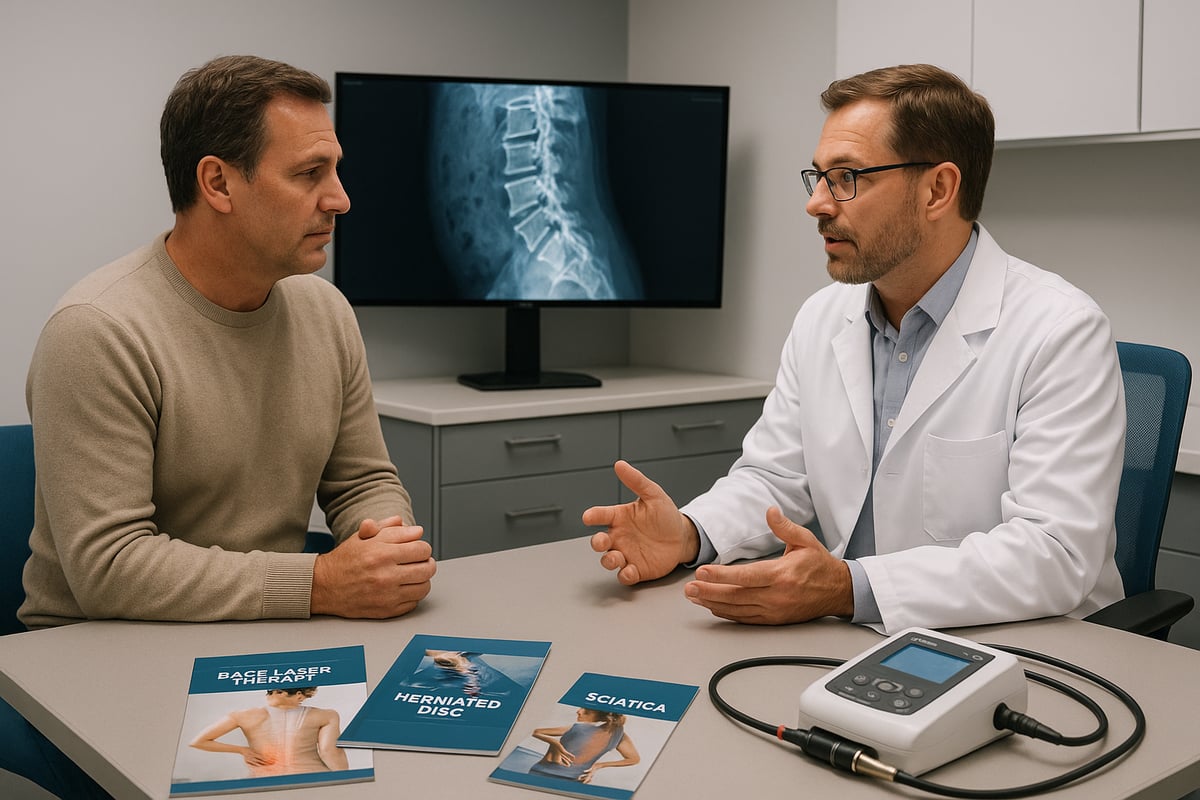
The journey with back laser therapy begins with a comprehensive evaluation by a specialist. During this visit, your medical history, symptoms, and previous treatments are carefully reviewed. Imaging studies like MRI or X-ray are often used to pinpoint the underlying cause of your back pain.
A detailed physical exam assesses function and identifies areas of concern. This step is critical, as not all patients are ideal candidates for back laser. Shared decision-making ensures your goals and expectations align with the potential benefits of the procedure. Clinics specializing in Laser removal clinics overview often follow strict protocols for patient selection and safety.
The Laser Treatment Procedure Step-by-Step
On the day of your back laser procedure, preparation is straightforward. You may receive local anesthesia to minimize discomfort. For low-level laser therapy, the device is applied externally to the skin, delivering concentrated light energy to targeted tissues.
In more advanced cases like percutaneous laser disc decompression, a thin needle is guided into the affected disc under imaging guidance. The laser is then activated, treating the area without large incisions. Throughout, your vital signs are monitored, and the process is typically completed in under an hour. Most patients return home the same day, highlighting the convenience of back laser.
Recovery, Aftercare, and Follow-Up
After back laser treatment, you will be observed for a short time before discharge. Mild soreness or swelling at the treatment site is common but usually resolves quickly. Pain management is often minimal, and prescribed medications are rarely needed.
Most individuals resume light activities within a day or two, avoiding strenuous exercise for a short period. Follow-up appointments are scheduled to monitor your recovery and progress. Adhering to aftercare instructions, such as gentle stretching and hydration, supports optimal healing and reduces the risk of complications.
Expected Results and Timeline
Patients are often eager to know when they will feel relief after back laser therapy. Many report noticeable pain reduction within the first few weeks, with improvements in mobility and daily function. The full benefits may continue to develop over several months as tissue healing progresses.
Results can vary based on the underlying condition, type of laser used, and adherence to aftercare. Follow-up assessments at three months help track success and guide further care if needed. Setting realistic expectations and staying engaged with your care team ensures the best possible outcome from back laser therapy.
Expert Insights and Future Trends in Back Laser Treatments
The landscape of back laser therapy is evolving rapidly as both technology and clinical understanding advance. As demand grows for safe, effective, and minimally invasive solutions, experts continue to evaluate the evidence and chart the future for back laser in pain management.
Leading Expert Perspectives on Laser Therapy
Pain specialists, physiatrists, and spine surgeons increasingly recognize the potential of back laser therapy, though opinions remain divided. Many clinicians appreciate its minimally invasive nature and positive safety profile, especially for patients who have not responded to conventional treatments.
Still, some experts voice skepticism, citing the need for more robust, long-term studies. Calls for randomized controlled trials and independent outcome data echo across professional conferences. While some practitioners have integrated back laser into their practices, others remain cautious until further evidence emerges.
Consensus is growing that back laser offers promise, but should be applied judiciously, guided by clinical expertise and patient needs.
Latest Research and Technological Advances (2024-2026)
Recent years have brought significant progress in back laser devices and procedural techniques. Innovations include improved laser targeting, real-time imaging guidance, and enhanced patient safety mechanisms. Ongoing clinical trials continue to assess efficacy, optimal protocols, and long-term outcomes.
A notable trend is the crossover of laser technologies from dermatology and orthopedics to spinal care, expanding both applications and understanding. For example, research into laser therapy for skin rejuvenation has informed advances in tissue regeneration for back pain patients. These developments highlight how cross-disciplinary knowledge is accelerating innovation in back laser treatments.
Patient Selection and Personalized Medicine
Personalized medicine is reshaping how back laser therapy is delivered. Providers now leverage advanced imaging, such as MRI and high-resolution ultrasound, to tailor protocols for individual patients. Biomarkers and genetic insights increasingly guide selection, improving outcomes by matching therapy to the underlying cause of back pain.
Clinicians develop customized treatment plans based on disc pathology, pain duration, and previous interventions. By refining patient selection, back laser specialists maximize benefits and minimize unnecessary procedures, ensuring the right therapy reaches the right patient.
The Outlook for Back Laser Therapy in 2026 and Beyond
Looking ahead, back laser therapy is poised for broader acceptance and integration into multidisciplinary care models. Experts anticipate expanded insurance coverage, increased clinic availability, and more streamlined, patient-friendly treatment pathways.
Emerging data suggest that back laser will play a larger role in managing chronic back pain, particularly as technology continues to improve. As research and clinical experience grow, patients and providers alike can expect a future where back laser is a cornerstone of evidence-based, minimally invasive spinal care.